
Blooming
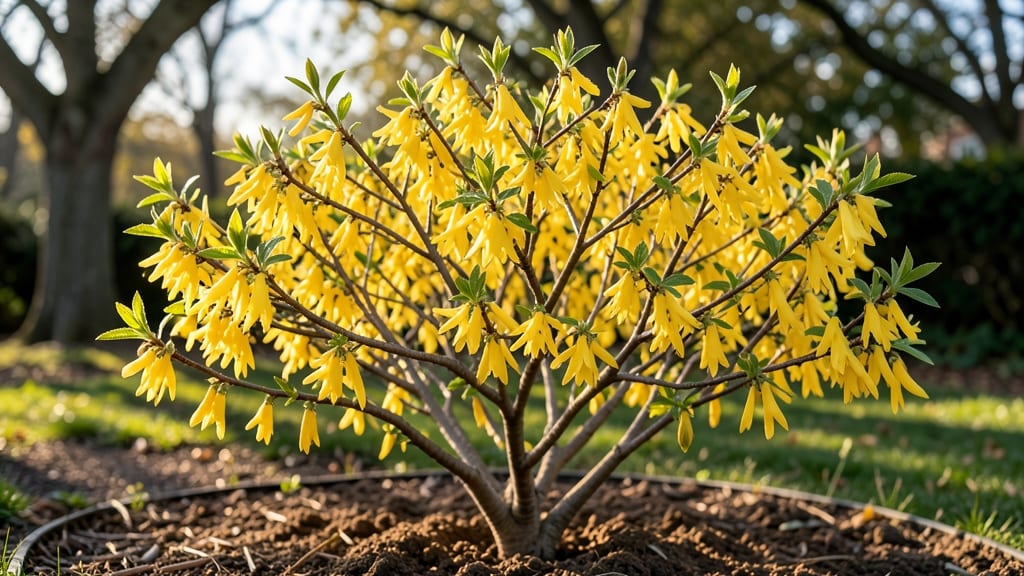
Most gardeners in Zone 6a and beyond can expect those cheerful flowers to appear between late winter and early spring, often as early as February or March.
But climate plays a huge role—warmer regions might see blooms weeks earlier than colder areas. Understanding these patterns helps you plan your garden’s seasonal highlights.
The key to predicting your forsythia’s flowering time lies in observing its growth cues, like bud formation and leaf emergence. With a few simple adjustments—like proper pruning and sunlight exposure—you can even nudge those blooms to arrive right when you want them.
Let’s break down exactly when your forsythia will bloom this year, how to adjust for your local climate, and the small tweaks that make all the difference in your garden’s springtime success.
When does forsythia typically bloom? Climate Zones and seasonal timing
Forsythia is one of the first shrubs to announce spring’s arrival with its bright yellow blooms, typically appearing between late winter and early spring. These cheerful flowers emerge before leaves, making them a standout feature in any landscape.
The exact flowering time of forsythia depends heavily on your USDA hardiness zone and local climate conditions.
In most regions, forsythia blooms begin as early as February in warmer zones (like Zone 7 and above) and can stretch into April in colder areas (Zone 3-5). This early bloom makes it a reliable indicator that winter’s grip is loosening.
Understanding these patterns helps you anticipate when to enjoy those vibrant bursts of color in your garden.
The summary table below breaks down average forsythia flowering times by USDA zone, so you can pinpoint when to expect blooms in your area:
| USDA Zone | Typical Bloom Window | Regional Notes |
|---|---|---|
| Zones 3-5 | Late March to mid-April | Colder climates may see delayed blooms due to late frosts. |
| Zones 6-7 | Mid-February to early March | Warmer winters often trigger earlier blooms in these zones. |
| Zones 8-9 | January to February | Mild winters can lead to very early blooms, sometimes as early as December. |
| Zone 10+ | December to January | Tropical climates may see year-round blooming or multiple flushes. |
If you live in the South (Zones 7-10), you might spot forsythia blooms as early as January, while gardeners in the North (Zones 3-6) may not see them until April.
This variation is due to the plant’s need for winter chill hours—forsythia requires a period of cold to trigger blooming, which explains why northern climates often have later blooms.
For gardeners in Zone 6a, like many in the Midwest, forsythia typically blooms in late February to early March. This timing aligns perfectly with the last frost date in many areas, making it a reliable early-season bloomer.
If your forsythia isn’t following this schedule, it could be due to factors like overpruning, poor soil nutrition, or lack of winter dormancy.
One way to encourage earlier blooms is by providing your forsythia with full sun exposure (6+ hours daily) and well-draining soil. These conditions help the plant store energy during the growing season, leading to more robust blooms the following year.
Additionally, avoiding heavy pruning in late winter can preserve next year’s flower buds.
In warmer climates (Zones 8-10), forsythia may bloom so early that it can be damaged by late winter frosts.
To protect your shrub, consider planting it in a location where it can benefit from microclimates, like near a south-facing wall or under the drip line of taller trees that offer some frost protection.
Finally, remember that forsythia blooms on old wood, meaning the flowers form on the previous year’s growth. Pruning should always be done after blooming to avoid cutting off next year’s flowers. This timing is crucial for maintaining healthy blooms year after year.
By understanding your local climate and the specific needs of your forsythia, you can enjoy its vibrant blooms right when you want them—turning your garden into a springtime showstopper.
How to predict your forsythia’s exact flowering time based on growth patterns
Predicting your forsythia’s exact flowering time starts with understanding its growth patterns. Unlike many plants, forsythia blooms on old wood, meaning last year’s growth determines this year’s flowers.
By tracking key growth stages—bud formation, leaf emergence, and last year’s bloom history—you can forecast blooms with remarkable accuracy.
Begin by observing your shrub’s bud development in late winter. Healthy buds will swell noticeably as temperatures rise, typically 4-6 weeks before blooming. In Zone 6a, this usually happens in late January to early February.
If your buds are small or shriveled, it may signal stress from winter damage or insufficient winter chill hours.
- 🌱 Track bud formation: Swollen buds appear 4-6 weeks before blooming. In Zone 6a, look for this in late January.
- 🌿 Note leaf emergence: Leaves typically unfurl 1-2 weeks after buds open. Delayed leaves may indicate poor nutrition.
- ⏰ Review last year’s blooms: Compare this year’s bud development to last year’s timeline for consistency.
- ☀️ Sunlight exposure: Full sun (6+ hours) accelerates blooming by 1-2 weeks compared to partial shade.
- ✂️ Pruning impact: Pruning after blooming preserves next year’s buds; pruning before can delay blooms by 2-3 weeks.
Pay close attention to when leaves emerge after blooming. In healthy forsythia, leaves unfurl 1-2 weeks after flowers fade. If leaves appear much earlier or later than expected, it may indicate nutrient deficiencies or soil moisture issues.
For example, drought stress can delay leaf emergence by up to 3 weeks, pushing back next year’s blooms.
Your forsythia’s last year’s bloom history is another critical clue. If it bloomed in early March last year, expect a similar timeline this year—give or take 5-7 days—unless you’ve made significant changes like relocating the plant or altering pruning habits.
For instance, moving your forsythia to a sunnier spot might advance blooms by 1-2 weeks, while partial shade could delay them.
Sunlight exposure plays a surprising role in timing. Forsythia grown in full sun (6+ hours daily) typically blooms 1-2 weeks earlier than those in partial shade. To test this, compare blooming times between two forsythia shrubs in your garden—one in full sun and one in partial shade.
The sun-exposed plant will almost always bloom first, proving how critical light is for timing.
Finally, remember that forsythia needs winter chill hours (typically 500-1,000 hours below 45°F) to trigger blooming. If you’re in a mild-winter region (like Zone 8-9), your shrub might need a dormant period of 6-8 weeks below 50°F to set buds properly.
Without enough chill, blooms may be sparse or delayed by 3-4 weeks.