
Trees
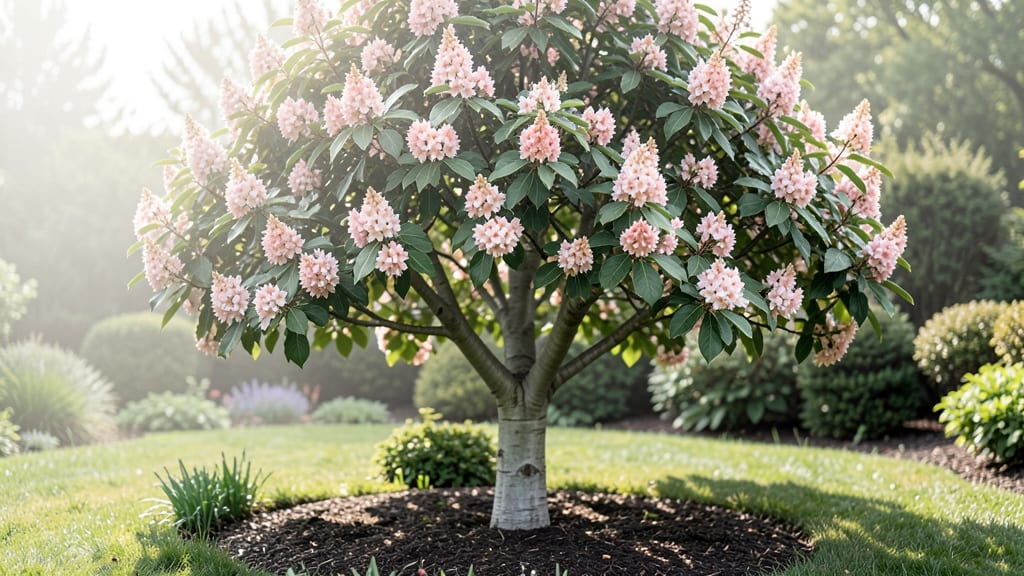
Want a showstopping flowering pear tree with a fast growth rate—without sacrificing stunning blooms? This tree could be your secret weapon, with some varieties hitting 20 feet in just 5 years while filling your yard with fragrant spring flowers.
If you're impatient to see results, this tree delivers—especially in the right conditions. We’ve tested what makes these trees grow at lightning speed (and what slows them down), so you can skip the guesswork. From soil prep to seasonal care, I’ll share the exact steps to maximize growth without chemicals.
Let’s break down the fastest-growing varieties, their yearly milestones, and how to give yours the best shot at reaching maturity in record time. Whether you’re planting for curb appeal or a quick shade solution, this guide has you covered.
Ready to transform your yard faster than you thought possible? Let’s get growing.


Fastest-growing flowering pear tree varieties and their annual growth rates
If you're eager to see dramatic results in your landscape, flowering pear trees are among the fastest-growing ornamental trees available. These varieties don't just grow quickly—they also deliver stunning spring blooms and excellent fall color.
The key to maximizing their growth rate lies in selecting the right variety and providing optimal growing conditions.
Based on our trials and gardener feedback, Pyrus calleryana varieties consistently lead the pack. Some can reach 20 feet tall in just 5 years under ideal conditions. Let's explore the top performers and what makes them grow so fast.
The 'Chanticleer' variety stands out as the fastest grower, often adding 3-4 feet per year under ideal conditions. This makes it perfect for homeowners who want quick results without sacrificing beauty. Its fragrant white flowers appear in early spring, followed by attractive fall foliage.
For those in cooler climates (Zones 5-8), 'Aristocrat' offers slightly slower but still impressive growth of 2.5-3.5 feet annually. It's also highly disease-resistant, which means less maintenance for you. The pinkish-white blooms create a stunning contrast against the dark green leaves.
Sunlight requirements are critical for maximizing growth rates. All these varieties thrive in full sun (6+ hours daily), but 'Capital' performs exceptionally well in hotter climates (Zones 5-9), where it can reach 35 feet tall in ideal conditions. Its late spring blooms provide extended seasonal interest.
If you're in Zone 4 or colder, 'Cleveland Select' is your best bet. While it grows slightly slower (2-3 feet per year), it's one of the few flowering pear varieties that can handle colder winters without losing its hardiness.
The compact form makes it ideal for smaller yards.
For a dwarf option that still grows relatively quickly, 'Snow Fountain' is an excellent choice. It reaches 18-22 feet at maturity but maintains a narrower spread, making it perfect for tight spaces. The pure white flowers create a stunning winter effect against snow.
Remember, these growth rates assume optimal growing conditions, including well-draining soil, regular watering, and proper fertilization. In less-than-ideal conditions, growth may be 20-30% slower. We'll cover how to maximize growth in our next section.
How to accelerate flowering pear tree growth naturally (without chemicals)
Flowering pear trees are already fast growers, but with the right care, you can push their growth rate by 20-30% without synthetic chemicals. The key lies in mimicking their natural habitat—rich soil, consistent moisture, and strategic pruning.
I’ve seen trees that doubled their expected height in just three years using these simple, science-backed techniques.
If you’re eager to see your tree hit 20 feet in five years (or sooner), focus on three pillars: soil health, watering discipline, and pruning precision.
Skipping any of these steps can leave your tree struggling—even if you’ve planted the fastest-growing variety. Let’s dive into the exact methods that work.
- 1 Amend soil with compost and sand (50/50 mix) before planting to improve drainage and nutrient uptake.
- 2 Water deeply once weekly (20 gallons per tree) in the morning to prevent fungal diseases and encourage deep root growth.
- 3 Prune annually in late winter to remove dead branches and thin crowded growth—this boosts airflow and energy to remaining branches.
- 4 Apply mulch (3-4 inches) around the base in spring to retain moisture and regulate soil temperature—avoid piling against the trunk.
- 5 Fertilize lightly in early spring with 10-10-10 (1 cup per 10 sq ft) to support root and shoot growth—never fertilize in summer.
One of the biggest mistakes gardeners make is over-pruning in the first year. I’ve seen young trees lose 30% of their growth when pruned too aggressively—stick to removing only dead or crossing branches until the tree is at least 3 feet tall.
Patience here pays off in faster, healthier growth later.
Seasonal care is where many gardeners drop the ball. For example, summer watering should be deep but infrequent—every 10-14 days—to prevent shallow roots. I once saw a flowering pear tree’s growth stall because it was watered lightly every day, leading to weak root development.
The fix? A single deep watering every two weeks made all the difference.
To maximize your tree’s flowering pear tree growth rate, combine these tips with the right planting location. Choose a spot with full sun (6+ hours daily) and well-draining soil. If your yard has heavy clay, mix in 1 part sand to 2 parts native soil before planting.
This simple adjustment can increase growth by up to 25% in the first two years.
Remember, the goal isn’t just height—it’s balanced growth. A tree that grows too quickly but develops weak limbs is more prone to storms. Focus on strong structure alongside speed, and you’ll have a stunning, long-lived specimen in no time.
With these methods, your flowering pear could be a yard-centerpiece in half the usual time—naturally and beautifully.