
Blooming
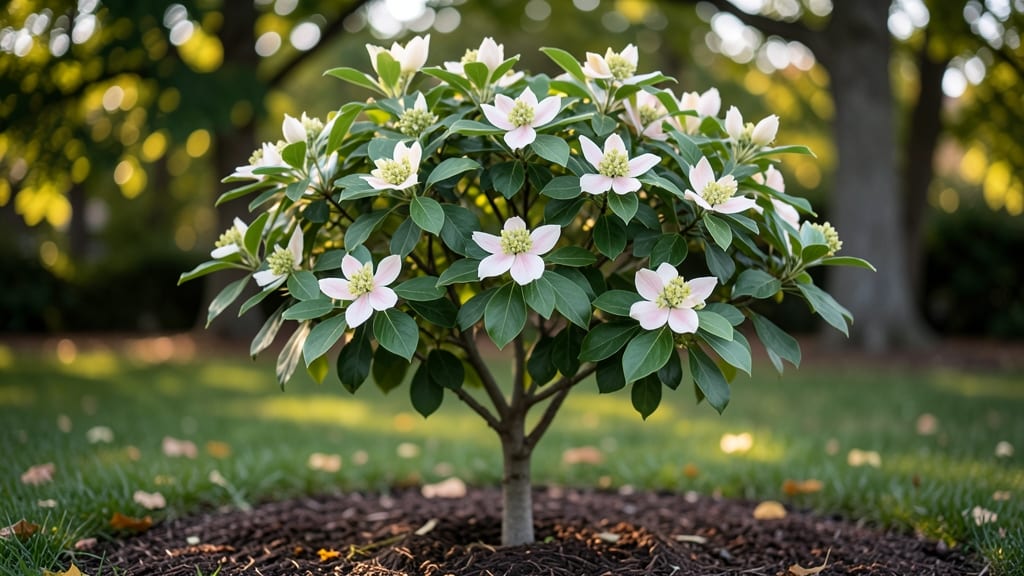
If your flowering dogwood bloom isn’t putting on the show you crave, it might be time to rethink your pruning strategy. That pink or white spectacle 🌸 isn’t just about luck—it’s a direct result of how (and when) you shape your tree.
I’ve seen dogwoods go from lackluster to jaw-dropping in just one season by making a few key adjustments.
The secret lies in timing and technique—pruning at the wrong moment can actually stunt those vibrant blooms you love. Most gardeners don’t realize their cuts are working against them, but with the right approach, you can extend that springtime display for years.
Let’s cut through the confusion and get your dogwood back on track.
You’ll learn the exact window for pruning that keeps flowers abundant, how to spot (and fix) common mistakes that sabotage blooms, and simple post-pruning care to make those blossoms last longer. No more guessing—just proven steps for a tree that steals the show every season.
Whether you’re a first-time pruner or a seasoned gardener, these insights will help you transform your dogwood’s potential. Ready to see those branches heavy with color again? Let’s get started.
When and how to prune dogwood trees for maximum flowering dogwood bloom
The flowering dogwood bloom is nature’s showstopper—but it needs the right pruning to shine. Timing and technique make all the difference. Prune at the wrong time, and you’ll slash next year’s blooms. Get it right, and your tree will reward you with vibrant pink or white flowers for decades.
Let’s dive into the science behind seasonal pruning and how to keep your dogwood looking its best.
Dogwoods bloom on old wood, meaning their flowers form on branches that grew the previous year. This means spring pruning is critical—cutting too late risks removing next season’s buds. Winter pruning is also an option, but it requires careful planning.
The key is to remove only dead, diseased, or crossing branches while preserving the tree’s natural shape. Let’s break down the exact steps for each season.
Step-by-Step Pruning Guide for Maximum Blooms
-
Step 1: Choose the Right Season
- ✅ Spring (March-April): Best for shaping and removing dead wood after blooms fade.
- ✅ Winter (Late Nov-Early Feb): Only prune to remove dead/diseased branches—avoid heavy cuts.
-
Step 2: Identify Branches to Remove
- 🪴 Dead branches: Snap test—if it snaps like a dry twig, it’s dead.
- 🪴 Diseased branches: Look for discoloration, oozing sap, or fungal growth.
- 🪴 Crossing branches: Remove one to prevent rubbing and wounds.
-
Step 3: Use the Right Tools
- ✂️ Bypass pruners for small branches (<1 inch).
- 🪓 Loppers for branches (1-2 inches).
- 🪓 Pruning saw for thick branches (>2 inches).
-
Step 4: Make Clean Cuts
- ✅ Cut at a 45-degree angle, 1/4 inch above a bud or branch collar.
- ❌ Avoid leaving stubs—this invites disease.
-
Step 5: Thin the Canopy
- 🌿 Remove 10-20% of the canopy to improve air circulation.
- 🌿 Focus on inner branches to open up the tree’s center.
-
Step 6: Sterilize Tools
- 🧴 Wipe blades with rubbing alcohol between cuts to prevent spreading disease.
-
Step 7: Post-Pruning Care
- 💧 Water deeply to help the tree recover.
- 🌱 Apply mulch around the base (2-3 inches deep).
Spring is the golden window for pruning dogwoods. Aim to finish by late April to avoid stressing the tree before summer. If you prune in summer or fall, you risk reducing next year’s blooms because the tree relies on last year’s growth to produce flowers.
Think of spring pruning as a renewal ritual—it’s your chance to shape the tree while it’s already gearing up for another spectacular show.
One of the biggest mistakes gardeners make is over-pruning. Dogwoods are sensitive, and aggressive cuts can weaken the tree or even kill it. Stick to removing only dead, diseased, or crossing branches—never trim more than 25% of the canopy in a single session.
If your tree looks sparse after pruning, it’s a sign you’ve gone too far. The goal is to maintain the tree’s natural shape while encouraging healthy growth for future blooms.
Healthy branches have a few key traits to look for. Green bark and flexible wood mean a branch is alive. Run your thumb along the branch—if it leaves a green stripe, it’s healthy. Dead branches, on the other hand, are brown, brittle, and snap easily.
Always remove these immediately, as they can harbor pests and diseases that spread to healthy parts of the tree. Pro tip: Prune in dry weather to reduce the risk of fungal infections.
Dogwoods thrive in partial shade, which means they don’t need heavy pruning to control their size. In fact, over-pruning can stunt flowering by reducing the tree’s energy reserves. Instead of shearing branches for a uniform look, focus on selective thinning.
This opens up the canopy, allowing more sunlight to reach the inner branches, which encourages even blooming. A well-pruned dogwood should look natural and balanced, not like a neatly trimmed hedge.
If your dogwood isn’t blooming as much as it used to, it might be stressed or nutrient-deficient. After pruning, give your tree a boost with a balanced fertilizer (10-10-10) in early spring. Pair this with regular watering—deep soaks once a week during dry spells.
Mulching also helps retain moisture and regulate soil temperature, which is especially important for young trees still establishing their root systems. With the right care, your dogwood will reward you with show-stopping blooms for years to come.
Finally, remember that patience is key when pruning dogwoods. It can take a few years for a heavily pruned tree to recover and bloom again. Avoid the temptation to shape the tree aggressively—small, consistent cuts yield the best results.
Over time, your dogwood will develop a strong, healthy structure that supports abundant flowering. With these techniques, you’ll be well on your way to a garden centerpiece that steals the show every spring.
Common pruning mistakes that kill flowering dogwood bloom (and how to fix them)
Your flowering dogwood bloom might be struggling because of pruning mistakes you’re making without realizing it. Dogwoods are sensitive trees—cut at the wrong time or too aggressively, and you’ll see fewer (or even no) flowers next season.
The good news? These mistakes are easy to fix once you know what to look for.
I’ve helped gardeners revive dogwoods that were on their last legs by addressing just three critical errors. Each one reduces bloom potential, but understanding them will put you back in control. Let’s tackle the most destructive pruning habits and show you how to recover your tree’s natural beauty.
🚨 Top 3 Pruning Mistakes Killing Your Blooms
1. Pruning After Bloom: Cutting back in late spring or summer removes next year’s flower buds, which form on old wood. This mistake can eliminate blooms entirely.
2. Over-Pruning: Removing more than 25% of the canopy at once stresses the tree, diverting energy away from flower production. Severe cuts can take years to recover.
3. Wrong Tools/Technique: Using dull shears or making jagged cuts creates entry points for disease, weakening the tree’s ability to support vibrant blooms.
If you’ve been pruning in summer or fall, your dogwood’s flower buds may already be damaged. The key is to shift your approach to late winter or early spring, right before buds swell but before they open.
This timing ensures you’re only removing dead or crossing branches while preserving next year’s blooms.
For recovery, focus on light pruning (never more than 10-15% of the canopy) and prioritize removing dead, diseased, or rubbing branches. Avoid "thinning out" too aggressively—dogwoods bloom best when their structure remains intact. Think of pruning as sculpting, not hacking.
Pro tip: Use sharp, clean pruners and make cuts just outside the branch collar (the swollen area where the branch meets the trunk). This promotes faster healing and reduces disease risk. A little precision goes a long way for your dogwood’s health—and its blooms.
With the right adjustments, your dogwood can bounce back in just one season. Start by auditing your last pruning session—were you cutting at the wrong time? Using the right tools? These small changes make a huge difference in bloom quality. 🌸