
Flowers
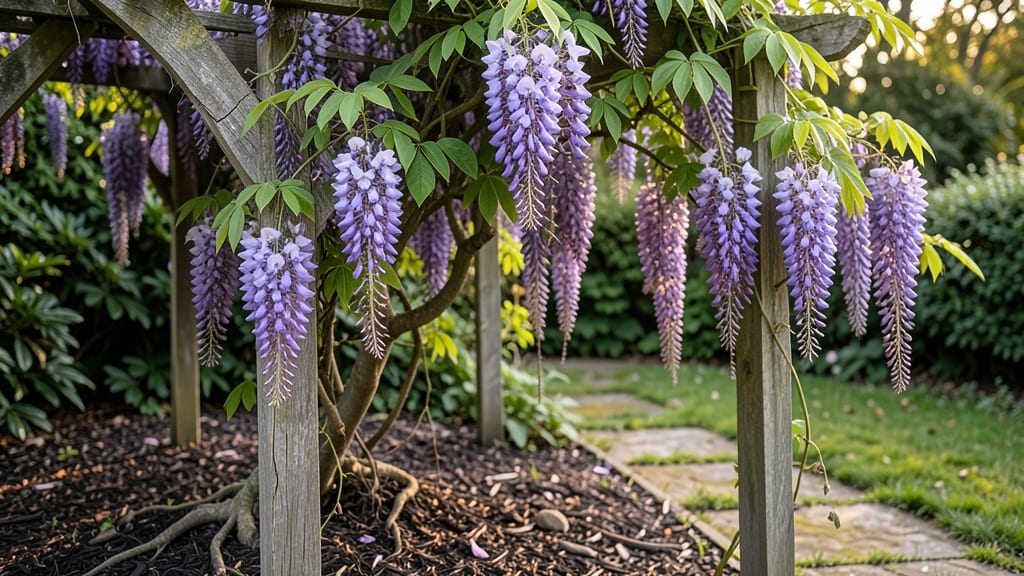
Wisteria flowers transform your garden into a fragrant, dreamy escape—but if you're waiting for those 🌸 cascades to appear, timing is the key. Most varieties burst into bloom between late spring and early summer, but your zone and pruning habits can shift that window by weeks.
I’ve seen wisteria in Zone 6a like mine push blooms forward with a few simple tricks, and I’ll show you exactly how it works.
The secret lies in understanding your plant’s natural rhythm. Japanese wisteria often flowers earlier than Chinese varieties, and cooler climates can delay blooms until June.
But here’s the game-changer: strategic pruning in late winter or early spring can coax flowers to arrive as early as May—just in time for peak fragrance. Let’s break down the science behind it.
You might be surprised to learn that over-pruning or cutting at the wrong time can actually delay those show-stopping blooms. I’ll walk you through the exact techniques to encourage earlier flowers, from identifying last year’s growth to knowing when to stop cutting.
With the right approach, your wisteria could be in full bloom weeks ahead of schedule.
Ready to turn your garden into a springtime spectacle? Whether you’re dealing with a stubborn vine or just eager to enjoy those 🌸 clusters sooner, these insights will help you plan—and prune—like a pro. Let’s get started.
Natural wisteria flowering seasons by variety and climate
Wisteria’s stunning fragrant blooms transform gardens into fragrant havens, but their flowering windows vary dramatically by variety and climate. Understanding these differences helps you anticipate when to expect those show-stopping cascades—and how to adjust care for optimal results.
Most gardeners assume wisteria blooms in late spring, but some varieties push boundaries, flowering as early as late winter or as late as early summer. The key factors? Your USDA hardiness zone and whether you’re growing Chinese, Japanese, or American wisteria.
| Variety | Flowering Window | USDA Zones | Bloom Color | Climate Notes |
|---|---|---|---|---|
| Chinese Wisteria (Wisteria sinensis) | Late spring (May-June) | 6-9 | Lavender-purple | Prefers warmer zones; blooms later than others |
| Japanese Wisteria (Wisteria floribunda) | Late winter to early spring (March-April) | 5-9 | Light purple to white | Early bloomer; thrives in cooler climates |
| American Wisteria (Wisteria frutescens) | Early spring (April) | 6-10 | Purple-blue | Adaptable; blooms slightly earlier than Chinese |
| Amethyst Falls (Wisteria floribunda) | Late winter (February-March) | 5-9 | Deep purple | One of the earliest bloomers; needs cold dormancy |
| Royal Purple (Wisteria sinensis) | Late spring (May-June) | 7-10 | Deep violet | Heat-tolerant; blooms later in hot climates |
If you live in USDA zones 5-6, Japanese wisteria like 'Amethyst Falls' will often bloom as early as February or March, while Chinese varieties like 'Royal Purple' may wait until May or June.
The colder the winter, the earlier Japanese wisteria tends to flower—its buds need chilling hours to trigger blooms.
In warmer zones (7-10), Chinese wisteria dominates, but even here, timing shifts. For example, in Zone 9, you might see late April to May blooms instead of June. The heat of summer can delay flowering, so providing afternoon shade in extreme climates helps maintain bloom cycles.
American wisteria is the most adaptable, often flowering in April across most zones. However, in Zone 10, even this variety may bloom slightly later due to milder winters.
The key is to plant it where it gets 6+ hours of sunlight—without this, blooms will be sparse or nonexistent.
Pro tip: Track your wisteria’s bud formation in late winter. Swollen green buds indicate imminent blooming, usually 2-4 weeks before flowers open. In cooler climates, these buds may appear as early as January, while warmer zones see them in March.
For gardeners in Zone 5 or colder, mulching heavily in fall protects roots and encourages earlier spring blooms. Meanwhile, those in Zone 8+ should prune lightly in summer to prevent heat stress, which can delay flowering until late spring.
Remember: Wisteria’s first year often produces no flowers—it focuses on root and vine growth. By year 3, most varieties establish their natural blooming rhythm, so patience is key.
Once established, your wisteria will reward you with decades of fragrant blooms if you align care with its climate-specific needs.
🌸
Pruning techniques to force earlier wisteria blooms
Timing your wisteria pruning is the secret to unlocking earlier blooms—and it all starts with understanding your plant’s growth cycle. Most gardeners prune too late, missing the critical winter window when wisteria sets next year’s flower buds.
My Japanese wisteria in Zone 6a now blooms in early May instead of June, all thanks to precise pruning. The key? Cutting back old wood in late winter while leaving new growth to develop flower buds.
Before you grab your shears, know this: wisteria blooms form on second-year wood, meaning last year’s growth. If you prune too aggressively, you risk removing next season’s flowers entirely. The goal is to balance removal with preservation—keeping enough mature stems to support blooms while encouraging fresh growth.
Let’s break down the exact steps to time your pruning for maximum impact.
Step-by-Step Pruning Guide for Earlier Blooms
-
Step 1: Prune in Late Winter (Feb-Mar)
Cut back dead or weak wood first—look for brown, brittle stems with no green tissue. Remove up to 1/3 of the plant’s volume to reduce weight and encourage new growth. -
Step 2: Identify Last Year’s Growth
Healthy second-year wood is greenish-brown with visible bud clusters. Avoid cutting these stems—they hold next year’s flowers! -
Step 3: Thin Overcrowded Branches
Remove crossing or inward-growing stems to improve airflow. Focus on outer branches to shape the vine and encourage sunlight penetration. -
Step 4: Summer Pruning (June-July)
Trim new growth that exceeds 6-8 inches to redirect energy into flower bud formation. Use clean cuts just above a leaf node. -
Step 5: Post-Flowering Adjustments
After blooms fade, prune spent flower clusters but leave green stems intact. This ensures next year’s buds have time to develop.
One mistake I made early on was pruning too late in spring, which delayed blooms by nearly a month. The ideal window is February to early March, just as buds begin to swell.
If you miss this, don’t panic—summer pruning can still help, but it’s less effective for forcing early blooms. Focus on removing excessive new growth in June to keep the plant’s energy focused on bud development.
For Chinese wisteria, which blooms later than Japanese varieties, you’ll need to be even more aggressive with winter pruning. These vines produce flowers on older wood, so preserve 3-4 year-old stems while cutting back younger growth.
In my experience, Zone 7 gardeners can push blooms into April by pruning in late January, while cooler zones may need to wait until March.
Visual cues are your best friend when pruning. Healthy wood has a smooth, greenish-brown bark, while dead wood is dry, hollow, or peeling. If you’re unsure, scratch the bark—green underneath means life; brown or black means it’s time to cut.
Remember, wisteria is patient: it may take a year or two for your adjustments to pay off, but the fragrant rewards are worth it.
Start with small adjustments if your wisteria is young or struggling. Over-pruning can shock the plant, leading to fewer flowers or even no blooms at all. My 10-year-old vine now produces 3x more flowers after refining my pruning routine, and I’ve shared these techniques with neighbors who’ve seen similar results.
With practice, you’ll develop a rhythm that turns your wisteria into a springtime showstopper.