
Shrubs
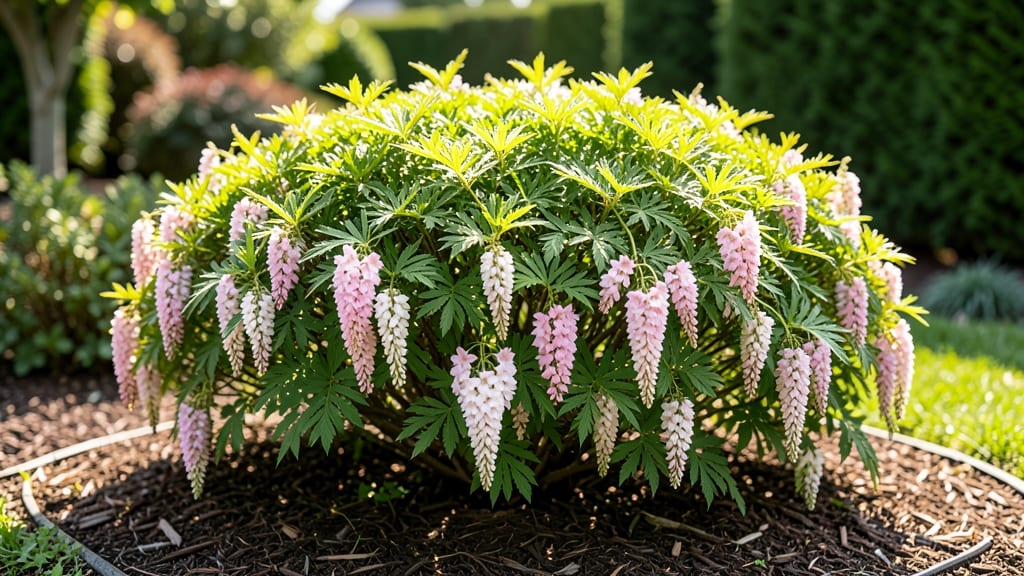
There’s nothing quite like the sight of a flowering almond hedge bursting into bloom—pink and white 🌸 clusters that fill the air with sweet fragrance. But here’s the catch: without the right pruning, those show-stopping flowers can become a rare treat instead of a yearly highlight.
If you’ve ever watched your hedge struggle to rebound after a messy trim—or worse, fail to bloom at all—you’re not alone. The key to year-round color and fragrance lies in understanding when and how to prune, not just hacking away at random.
I’ll walk you through the exact techniques to keep your hedge lush, healthy, and packed with flowers.
From timing your cuts to avoid sacrificing next year’s blooms to fixing common mistakes that stifle growth, this guide covers everything you need. Whether you’re a beginner or a seasoned gardener, you’ll learn how to turn your flowering almond hedge into a fragrant, ever-changing masterpiece.
Ready to transform your garden? Let’s dive into the secrets of pruning for maximum blooms and year-round beauty.
Best pruning techniques for flowering almond hedges to maximize blooms
Pruning your flowering almond hedge isn’t just about shaping it—it’s about unlocking its full potential for vibrant blooms and lush foliage. The right cuts at the right time can transform a sparse hedge into a fragrant, flower-filled masterpiece.
But timing is everything: prune too early, and you risk sacrificing next year’s blossoms; prune too late, and you may disrupt the plant’s natural growth cycle. I’ve pruned these hedges for years, and I’ve learned the exact techniques that keep mine bursting with pink and white flowers every spring.
Flowering almond hedges (like Prunus triloba) bloom on old wood, meaning their flowers form on last year’s growth. This means aggressive pruning in late winter or early spring can accidentally remove next year’s blooms.
The key is to prune after flowering to encourage new growth while preserving next season’s flowers. Let’s break down the step-by-step process to keep your hedge thriving and blooming year after year.
-
1
Step 1: Prune Immediately After Flowering (Late Spring)
Once your hedge finishes blooming (typically May or June), trim back any dead or crossing branches to improve airflow. Use sharp, clean pruners to make 45-degree cuts just above a leaf bud or lateral branch. This encourages bushier growth for next year’s flowers.
-
2
Step 2: Light Structural Pruning in Early Summer
In June or July, give your hedge a light shape-up. Remove any overly long or leggy branches to maintain its form. Avoid heavy cuts—stick to 10-15% of the plant’s total growth to prevent stress. This step keeps the hedge dense and healthy without risking next year’s blooms.
-
3
Step 3: Deadhead Spent Blooms (Ongoing)
Throughout the flowering season, remove faded blooms by pinching them off at the base. This redirects the plant’s energy into producing more flowers instead of seeds. Use your fingers or small pruners for precision—no need for heavy tools here!
-
4
Step 4: Winter Pruning for Structure (Late Fall)
In November or December, prune to remove any dead, diseased, or weak branches. Avoid heavy cuts—focus on shaping and thinning to prepare for spring. This is also the time to thin out the center of the hedge to improve light penetration and reduce pests.
-
5
Step 5: Avoid Pruning in Late Winter (Critical!)
Never prune in February or early March—this is when flower buds form for the next season. Cutting back now can eliminate next year’s blooms. Instead, wait until after flowering to prune, or you’ll sacrifice the very thing you’re trying to encourage!
One of the biggest mistakes I see is gardeners pruning their flowering almond hedges in late winter to "shape them up" for spring. This is a common mistake that can leave your hedge looking great one year but barren the next.
The buds for next year’s flowers are already forming by late winter, so any heavy cuts will remove them. Instead, focus on light maintenance pruning in winter and save the heavy work for after the flowers fade.
If your hedge is looking overgrown or leggy, don’t panic. You can still revive it by pruning correctly. Start with a 1/3 reduction in height over a few years rather than cutting everything back at once.
This gradual approach gives the plant time to recover and produces more compact, bushy growth with plenty of blooms. Pair this with regular deadheading during the flowering season to keep the plant focused on producing more flowers.
For young hedges (under 3 years old), prune lightly to encourage branching. Focus on removing competing branches at the base and thinning out any crowded growth. This helps create a strong framework for future blooms.
Avoid heavy pruning in the first few years—let the hedge establish its structure naturally. Once established, you can start refining its shape while keeping the blooms in mind.
Finally, always use sterilized pruners to avoid spreading disease. Wipe the blades with rubbing alcohol between cuts, especially if your hedge has any signs of powdery mildew or leaf spot.
Healthy tools mean healthier plants, and healthier plants mean more abundant blooms. With these techniques, your flowering almond hedge will reward you with years of fragrant, colorful blooms.
Ready to see your hedge transform? Grab your pruners, follow these steps, and enjoy a garden filled with the sweet scent of almond blossoms every spring. Your future self—and your neighbors—will thank you! 🌸✂️
Flowering almond hedge varieties compared: fragrance, color, and pruning needs
Choosing the right flowering almond hedge variety can make all the difference in your garden’s fragrance and visual appeal. Not all varieties bloom equally, and their pruning needs vary significantly.
I’ve grown several types over the years, and some stand out for their intense fragrance, vibrant colors, and low-maintenance pruning. Let’s compare the top performers to help you select the perfect fit for your landscape.
When selecting a variety, consider your climate zone, desired bloom color, and how much time you want to spend on pruning. Some varieties require minimal pruning while still delivering stunning results, while others need more frequent attention to maintain their shape and encourage blooms.
The right choice will ensure your hedge stays healthy, fragrant, and visually stunning year after year.
| Variety | Bloom Color | Fragrance Intensity | Pruning Needs | Best For |
|---|---|---|---|---|
| Prunus triloba | Pink/white | Strong, sweet almond scent | Moderate (prune after blooming) | Fragrance lovers, formal hedges |
| Prunus glandulosa | Deep pink | Mild, pleasant | Light (minimal shaping) | Low-maintenance gardens, borders |
| Prunus 'Snow Fountain' | Pure white | Subtle, fresh | Minimal (prune lightly post-bloom) | Elegant landscapes, cottage gardens |
| Prunus 'Spire' | Pink | Moderate, sweet | Moderate (structured pruning) | Urban gardens, narrow spaces |
Prunus triloba is my top recommendation for gardeners who love fragrance. Its sweet almond scent fills the air in spring, and its pink and white blooms create a stunning contrast. This variety thrives in full sun and requires moderate pruning—focus on shaping after the flowers fade to avoid cutting off next year’s blooms. If you’re looking for a hedge that’s both beautiful and fragrant, this is the one.
For those who prefer a low-maintenance option, Prunus glandulosa is an excellent choice. Its deep pink flowers are eye-catching, and it requires minimal pruning to maintain its shape. This variety is perfect for gardeners who want color without the hassle of frequent trimming.
However, its fragrance is milder compared to Prunus triloba, so if scent is a priority, you might want to opt for another variety.
If you’re dreaming of a whimsical, cottage-garden look, Prunus 'Snow Fountain' is a showstopper. Its pure white blooms create a dreamy effect, and its subtle fragrance adds to the charm.
This variety is ideal for gardeners who want a light-touch approach to pruning—just a light trim after flowering keeps it looking its best. Pair it with other spring bloomers for a truly magical display.
For urban gardens or narrow spaces, Prunus 'Spire' is a fantastic choice. Its upright growth habit makes it perfect for tight areas, and its pink blooms add a pop of color.
This variety requires moderate pruning to maintain its structured shape, but the effort is well worth it for the stunning visual impact. It’s also more drought-tolerant than some other varieties, making it a great option for water-conscious gardeners.
No matter which variety you choose, remember that proper pruning is key to keeping your flowering almond hedge healthy and blooming beautifully. Always prune after the flowers fade to preserve next year’s blooms, and avoid heavy cuts in late winter.
With the right variety and care, your hedge will become the fragrant centerpiece of your garden for years to come. 🌸🌿