
Light Requirements
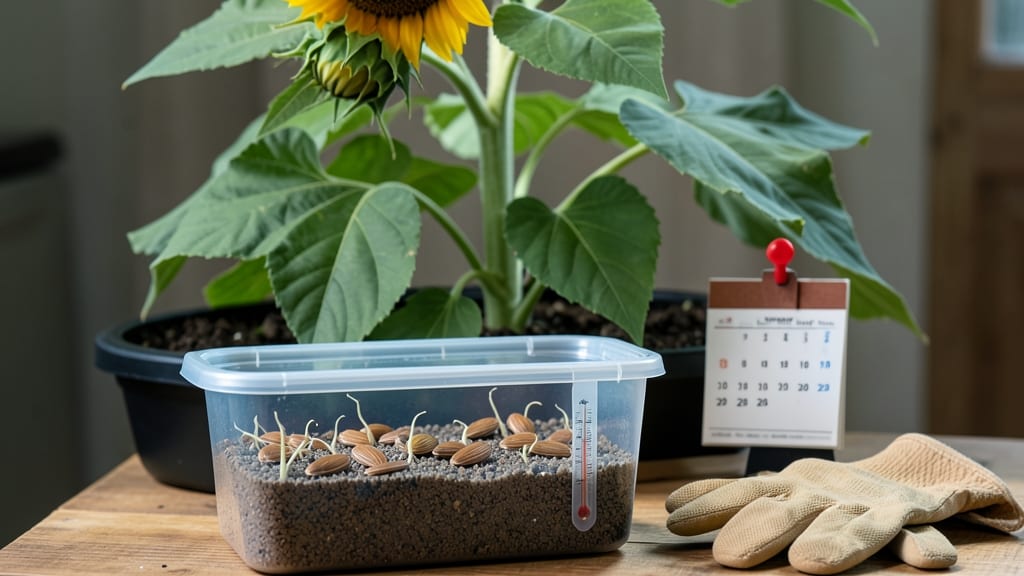
If you've ever wondered whether your 🌻 sunflower seeds need cold stratification to sprout, you're not alone—many gardeners assume it's a must, only to end up frustrated when their seeds still don't germinate.
The truth is, sunflowers are one of the few plants that thrive without this extra step, but there's more to the story than just skipping stratification.
Cold stratification mimics winter conditions to break seed dormancy, but sunflower seeds are naturally adapted to germinate quickly in warm soil. That said, a few simple tricks—like soaking seeds or adjusting planting depth—can give you an even faster start.
Whether you're in USDA Zone 6a or a warmer region, knowing when to plant and how to prep your seeds makes all the difference.
In this guide, I’ll break down the science behind sunflower germination, debunk common myths, and share the easiest methods to get your seeds sprouting in 7-10 days. No complicated steps, just proven tips to help your sunflowers reach for the sky—literally!
Ready to skip the guesswork and grow taller, healthier sunflowers? Let’s dive into what actually works for your garden.
How cold stratification affects sunflower seed germination rates
Sunflower seeds are one of the few plants that don’t require cold stratification to germinate. Unlike many wildflower seeds or perennials, sunflowers have evolved to sprout quickly in warm soil, making them one of the easiest seeds to grow for beginners.
However, their natural dormancy can still cause delays if conditions aren’t ideal. Understanding how stratification—or the lack of it—affects germination helps you optimize your planting strategy for faster, more reliable sprouts.
The key to sunflower germination lies in their natural adaptation to warm climates. Most sunflower varieties are annuals that thrive in USDA Zones 2-11, meaning they’re designed to germinate as soon as soil temperatures rise above 50°F (10°C).
Cold stratification, which mimics winter’s chill to break dormancy, is unnecessary for sunflowers and can even slow down germination if applied incorrectly.
That said, a few sunflower species—like perennial sunflowers (Helianthus)—may benefit slightly from stratification, but even then, the effect is minimal compared to other plants. For most gardeners, focusing on soil warmth, moisture, and proper planting depth yields better results than any cold treatment.
Let’s compare how stratification (or the lack of it) impacts germination speed and success.
As the table shows, skipping cold stratification gives sunflower seeds the fastest start, especially in warmer climates. The process of cold stratification is designed to mimic winter’s chill, which helps break dormancy in seeds adapted to cold climates—like wildflowers or perennials.
Sunflowers, however, are warm-season plants that germinate best when soil temperatures are consistently above 50°F (10°C).
In fact, forcing sunflower seeds through cold stratification can backfire. If seeds are exposed to moisture during stratification, they may rot before sprouting. Even if they survive, the delay in germination can weaken seedlings, making them more susceptible to damping-off disease or pests.
For most gardeners, the simplest approach—planting seeds directly in warm, moist soil—yields the best results.
But what if you’re in a cooler climate or planting early in the season? The solution isn’t stratification—it’s soil warming. Use a black plastic mulch or plant in a south-facing bed to absorb sunlight and raise soil temperatures.
Alternatively, start seeds indoors under a grow light until soil warms outside. These methods accelerate germination without the risks of cold treatment.
Another common misconception is that sunflower seeds need "scarification" (scratching the seed coat) to germinate. While this helps some seeds, sunflowers have naturally thin seed coats that don’t require this step. Over-scarifying can damage the seed, so skip it unless you’re dealing with very old or hard seeds.
For the best results, focus on these three critical factors instead of stratification: soil temperature (50°F+), consistent moisture, and proper planting depth (1 inch deep). These conditions mimic the sunflower’s natural environment and ensure 90%+ germination rates in ideal conditions.
Even in USDA Zone 3 or 4, waiting until soil warms in late spring works better than artificial cold treatment.
If you’re still unsure, try a small test: plant half your seeds without stratification and the other half after a 2-week cold, moist treatment. In most cases, the non-stratified seeds will sprout first and grow stronger.
This hands-on approach lets you see for yourself how sunflowers thrive without the extra step.
Ready to plant with confidence? Grab your seeds, a sunny spot, and a moisture meter—your sunflowers will thank you with bold, towering blooms in just a few months! 🌻
Best germination methods for sunflower seeds (beyond cold stratification)
Sunflower seeds are one of the easiest seeds to grow, and the good news is you don’t need cold stratification to get them sprouting. While some seeds benefit from this process, sunflowers thrive in warm soil and often germinate faster without it.
That said, a few simple pre-planting tricks can give you an even quicker start—especially if you're planting in cooler climates or using older seeds.
The key to success lies in soaking seeds, maintaining ideal soil temperatures, and ensuring proper moisture levels. These methods mimic natural conditions and help break down any natural seed coatings that might slow germination.
Let’s explore the best ways to maximize your sunflower seeds’ potential without relying on cold stratification.
Place seeds in a bowl of warm water for 6-12 hours to soften the seed coat and speed up germination.
Soak seeds in 120°F water for 10 minutes to mimic natural heat exposure, breaking dormancy faster.
Wait until soil reaches 50-60°F for optimal germination—warmer soil speeds up the process.
Keep soil consistently damp (not soggy) until seeds sprout—use a spray bottle for precision.
Sow seeds 1 inch deep—shallower planting can lead to uneven germination.
One of the simplest and most effective methods is soaking seeds overnight in warm water. This softens the seed coat, allowing water to penetrate more easily and kickstarting the germination process.
For even faster results, try a heat treatment by soaking seeds in water heated to 120°F for 10 minutes. This mimics the natural heat exposure seeds might experience in their native habitat, breaking dormancy and ensuring quicker sprouting.
Once your seeds are prepped, focus on planting them in warm soil. Sunflowers germinate best when soil temperatures are between 50-60°F. If you're planting in early spring, consider using a seedling heat mat or waiting until the soil warms naturally.
Consistency is key—keep the soil moist but not waterlogged to prevent rot while encouraging strong root development.
Proper planting depth is another critical factor. Sunflower seeds should be sown 1 inch deep to ensure they receive enough moisture without being buried too deeply. If you're growing sunflowers in containers, use a well-draining potting mix and plant seeds at the same depth.
Remember, sunflowers are fast growers, so once they sprout, they’ll need plenty of sunlight and space to reach their full potential.
If you're still struggling with slow germination, consider testing your seeds for viability. Place a few seeds in a damp paper towel and seal them in a bag for a few days. If they don’t sprout within 5-7 days, they may be too old or damaged.
Fresh seeds typically germinate within 7-10 days under ideal conditions, so patience and the right techniques will pay off with strong, healthy seedlings ready to reach for the sky.
With these methods, you’ll skip the guesswork and enjoy faster, more reliable germination—no cold stratification required. Happy planting, and here’s to a garden full of towering sunflowers!