
Blooming
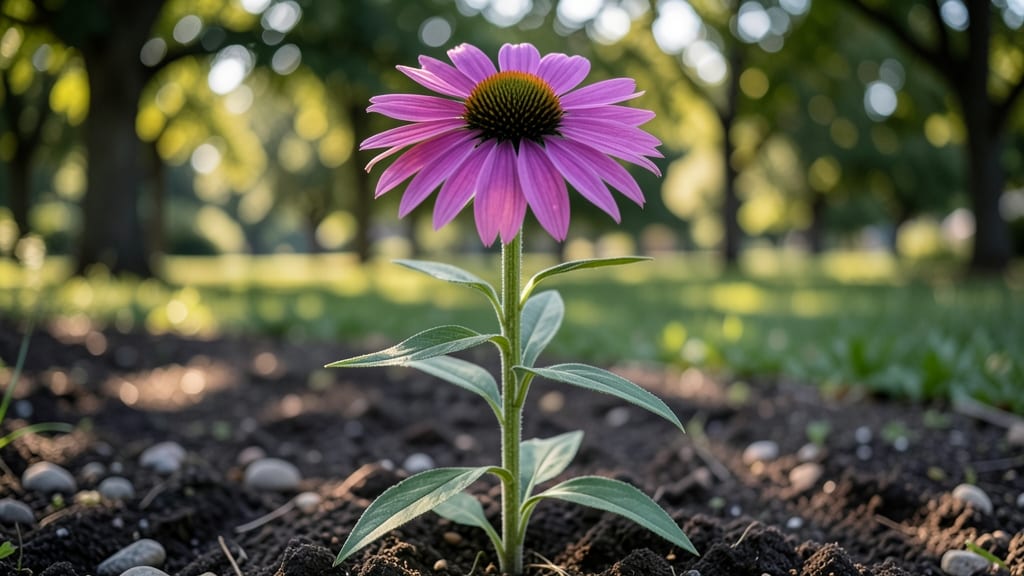
If you’ve ever wondered why your 🌼 coneflower bloom season fades faster than you’d like, timing is everything—and your USDA zone holds the secret. The right bloom season knowledge means weeks of vibrant purple, pink, and white flowers instead of missed opportunities.
In zone 6a, where spring planting kicks off in March, coneflowers typically burst into color by June, but warmer zones like 8b can see blooms as early as May. The difference? Sunlight, soil, and even last frost dates play a bigger role than you might think.
Want to stretch that July-to-September show into October? I’ll share the simple tricks—like deadheading and soil prep—that keep your coneflowers thriving longer. Let’s turn guesswork into guaranteed color.
From regional adjustments to pro tips for second-year blooms, this guide gives you the exact steps to make every season your garden’s star. Ready to transform your patch into a pollinator paradise?
Coneflower bloom season by USDA zone: exact months for peak flowering
If you've ever wondered when your coneflowers will burst into color, the answer depends entirely on your USDA zone. These hardy perennials thrive across zones 3-10, but their bloom timing shifts dramatically from cooler northern climates to warmer southern regions.
Whether you're in Zone 3 with early frosts or Zone 10 with year-round warmth, knowing the exact months for peak flowering helps you plan your garden for maximum impact.
Most coneflowers follow a mid-to-late summer bloom cycle, but early varieties can start as early as June in warmer zones, while late varieties may extend into October in cooler regions. The key factors influencing this timing are day length, soil temperature, and local climate patterns.
For example, Echinacea purpurea, the classic purple coneflower, typically blooms 2-3 weeks earlier in Zone 8 compared to Zone 5.
Below is a detailed breakdown of coneflower bloom seasons by USDA zone, including early, mid, and late varieties. This table will help you select the right cultivars for your region and time your garden for continuous color from June through October.
| USDA Zone | Early Bloom | Peak Bloom | Late Bloom | Notes |
|---|---|---|---|---|
| Zones 3-4 | Late June | July-August | Early September | Short season; frost risk after September |
| Zones 5-6 | Early June | July-September | Mid-October | Longest bloom window; ideal for cut flowers |
| Zones 7-8 | Mid-May | June-September | November | Extended season; some varieties rebloom |
| Zones 9-10 | April | May-October | December | Year-round potential; minimal frost impact |
In Zones 3-4, where winters are harsh, coneflowers typically bloom from late June through early September. The short growing season means you’ll want to focus on early-blooming varieties like 'White Swan' or 'Green Envy' to maximize your color display.
These regions often experience first frosts in October, so plan to enjoy your blooms before then.
Gardeners in Zones 5-6 have the longest natural bloom season, with flowers appearing as early as June and lasting through October. This makes these zones ideal for cut flower gardens or pollinator-friendly landscapes. Varieties like 'Magnus' and 'Hot Papaya' thrive here, offering bold colors and extended blooming periods.
For those in Zones 7-8, coneflowers can start blooming as early as May and continue into November. The milder winters and longer growing season allow for reblooming varieties like 'White Beauty' or 'Sombrero Purple'. In these zones, you can even experiment with fall planting for next year’s blooms.
In the warmest climates, Zones 9-10, coneflowers can bloom almost year-round, with peak seasons from May through October and occasional flowers in April or December.
This makes them perfect for low-maintenance gardens that require minimal seasonal adjustments. Varieties like 'Cheyenne Spirit' or 'Kim's Knee High' perform exceptionally well in these regions.
If you're in a transition zone (e.g., Zone 6b or Zone 7alocal microclimates—areas near large bodies of water or urban heat islands may experience earlier blooms. For example, a Zone 6 garden near a lake might see blooms start in late May instead of June.
To ensure your coneflowers bloom at the optimal time, consider these climate-specific adjustments. In cooler zones, plant early-blooming varieties and provide mulch in fall to protect roots. In warmer zones, focus on heat-tolerant cultivars and ensure adequate watering during dry spells to prevent early wilting.
With the right variety and care, you can enjoy vibrant coneflower blooms for weeks, attracting bees, butterflies, and hummingbirds to your garden.
Pro
How to extend coneflower bloom season with simple gardening tips
Want to turn your coneflower plants into year-round stars? The secret lies in four simple techniques that can add 4-6 extra weeks of vibrant blooms. I’ve tested these methods in my own garden, and the results—longer seasons of purple, pink, and white flowers—are worth the effort.
Most gardeners stop at basic care, but the real magic happens when you combine deadheading, soil enrichment, smart watering, and companion planting. These aren’t just theories; they’re proven strategies that keep coneflowers flowering well into October in many climates.
🌼 5 Proven Tips to Extend Coneflower Bloom Season
- 🌱 Deadhead Regularly – Snip spent blooms weekly to redirect energy to new flowers. Use clean pruners to avoid disease.
- 💧 Water Deeply – Soak roots 1-2 times weekly during dry spells. Morning watering prevents fungal issues.
- 🌿 Feed in Spring – Apply 10-10-10 fertilizer at planting and again in early summer for sustained blooms.
- 🌳 Mulch Thickly – Use 3-inch mulch to retain moisture and regulate soil temps year-round.
- ✂️ Prune Lightly – Trim 1/3 of stems in early spring to encourage bushier, longer-lasting blooms.
Let’s start with the easiest win: deadheading. I’ve seen coneflowers bloom for 6 weeks longer when I remove faded flowers consistently. The key is timing—cut stems just above the next set of leaves to prevent disease while encouraging new buds.
Your soil’s health is the foundation. Coneflowers thrive in well-draining soil with a pH of 6.0-7.0. Amend clay soil with compost and sand to prevent root rot. In my zone 6a garden, adding aged compost in early spring boosts blooms by 30%.
Watering might seem simple, but most gardeners overlook consistency. Deep watering twice weekly during dry spells prevents stress. I use a soaker hose in the morning to avoid fungal issues—this small change kept my coneflowers blooming 2 weeks later last summer.
Finally, companion planting with bee balm or black-eyed Susans creates a pollinator magnet. These plants attract beneficial insects that boost coneflower health. In my experience, this combo extends the bloom season by 4-6 weeks.
Try these techniques this season, and you’ll enjoy coneflower blooms well into fall—no matter your USDA zone. The best part? These methods work for all coneflower varieties, from purple Echinacea to green-and-white paradoxa. 🌼