
Blooming
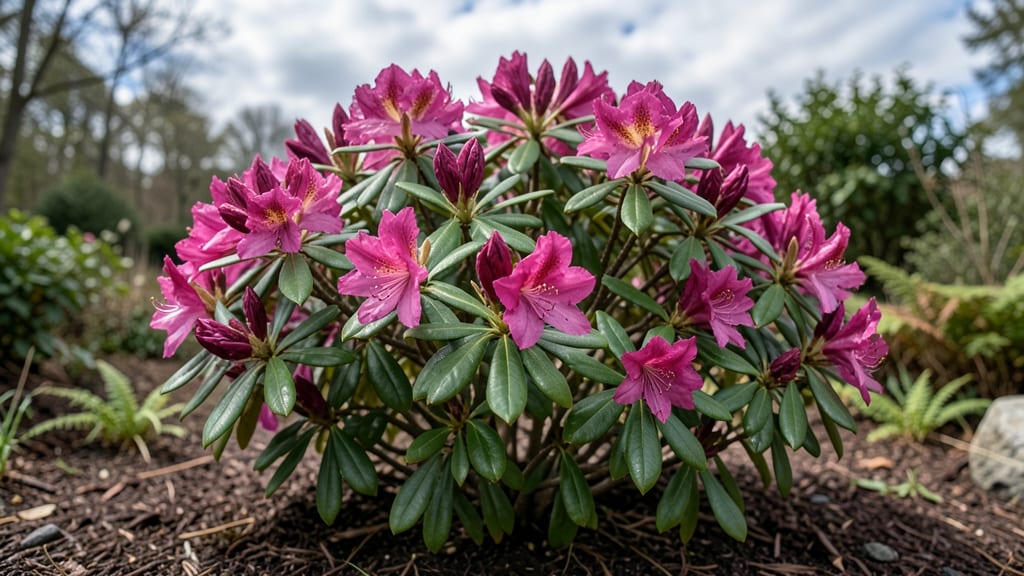
Timing your azalea flowering time isn't just about patience—it's about knowing your zone and giving these 🌸 beauties exactly what they need to thrive.
In USDA Zone 6, where I garden, azaleas typically burst into color between late April and early May, but that window shifts dramatically depending on where you live.
If you've ever wondered why your neighbor's azaleas bloom weeks before yours, the answer lies in your local climate and the specific variety you've planted.
Some early bloomers push through snow in March, while others wait until June, and understanding these differences is the key to planning your garden for maximum impact.
What if I told you that a few simple adjustments—like pruning at the right time or tweaking your soil's acidity—could extend your azaleas' flowering season by weeks? That's exactly what we'll explore, so you can enjoy those vibrant blooms for longer than ever before.
Whether you're a first-time gardener or a seasoned plant enthusiast, this guide will help you predict bloom dates with confidence and keep your azaleas looking their best year after year.
Azalea flowering time by USDA Zone: exact months for peak blooms
Azaleas are one of the most anticipated spring bloomers, but their flowering time varies dramatically across USDA zones.
In my Zone 6 garden, I've seen late April to early May blooms, but gardeners in warmer zones might spot flowers as early as March, while those in cooler zones could wait until June.
These differences aren't random—they're tied to your local climate and the specific azalea variety you've chosen.
The key to predicting bloom times lies in understanding your zone's last frost date and the specific azalea variety you're growing. Early bloomers like 'Girard's Pink' often push through snow in Zone 4, while late-season varieties like 'Hino Crimson' might wait until June in Zone 7.
Let's break down what to expect in each zone so you can plan your garden accordingly.
| USDA Zone | Early Bloomers | Peak Bloom Time | Late Bloomers | Key Varieties |
|---|---|---|---|---|
| Zone 3-4 | Late April | May | Early June | 'Girard's Pink', 'Bowl of Beauty' |
| Zone 5 | Mid-April | Late April - May | Early June | 'Hino Crimson', 'George L. Taber' |
| Zone 6 | Early April | April - Early May | Mid-May | 'Southern Indica', 'Formosa' |
| Zone 7 | Late March | March - April | May - June | 'Kaleidoscope', 'Tiny Bell' |
| Zone 8 | February | March - April | May | 'Coral Bells', 'Otome' |
| Zone 9-10 | January | February - March | April | 'George L. Taber', 'Satsuki' |
Note: Fall-blooming varieties (like Satsuki azaleas) may flower September-November in warmer zones.
If you're in Zone 3 or 4, you might be surprised to see azaleas blooming as early as late April, sometimes even pushing through snow. These hardy varieties are bred to handle cold snaps, making them perfect for northern gardens.
I've seen 'Bowl of Beauty' azaleas in my friend's Zone 4 yard burst into color just as daffodils begin to fade.
The transition to Zone 5 and 6 brings earlier blooms, with many varieties flowering by mid-April. In my own garden, I've timed my spring planting schedule around these blooms, knowing that by the time my tulips are finishing, the azaleas will take center stage.
This overlap creates a stunning sequential bloom display that lasts for weeks.
Gardeners in Zone 7 and warmer often enjoy azaleas that bloom as early as February, sometimes even in January in Zone 10. These early bloomers are perfect for creating winter interest in your garden.
I've noticed that fall-blooming varieties, like Satsuki azaleas, often perform better in these warmer climates, providing a second flush of color in autumn.
One common misconception is that all azaleas bloom in spring. In reality, many fall-blooming varieties exist, particularly in warmer zones. These Satsuki azaleas often flower from September through November, offering a completely different gardening experience.
If you're in Zone 8-10, consider adding these varieties to extend your azalea season well beyond spring.
Your local climate plays a crucial role in determining bloom times. Cooler zones with late frosts may see delayed blooms, while warmer zones with mild winters often enjoy earlier and longer flowering periods.
I've found that microclimates within your garden—like a south-facing wall or a sheltered spot—can also affect bloom timing by 1-2 weeks compared to the rest of your yard.
To maximize your azalea blooms, choose varieties that match your zone's typical frost dates. For example, Zone 6 gardeners should select varieties that bloom after the last expected frost date in their area.
I always check my local frost date averages when selecting new azalea varieties to ensure they'll perform well in my specific microclimate.
Remember that these are general guidelines. Individual garden conditions—like soil acidity, sunlight exposure, and water availability—can shift bloom times by 1-3 weeks. The most important factor is consistency: azaleas thrive when given acidic soil (pH 4.5-6.0) and partial shade.
With the right care, you can enjoy vibrant azalea blooms that align perfectly with your local growing season.
How to extend azalea flowering season: pruning and care tips
Azaleas are known for their stunning spring blooms, but many gardeners miss out on their full potential because they don’t know how to encourage longer flowering.
The key lies in pruning timing, soil conditions, and consistent care—all of which can transform a two-week display into a month-long spectacle. I’ve learned through trial and error that even small adjustments make a big difference, especially in my Zone 6 garden.
Most azaleas bloom on old wood, meaning last year’s growth produces this year’s flowers. If you prune at the wrong time, you risk cutting off next year’s blooms before they even form.
But with the right approach, you can extend blooms by 3-4 weeks while keeping your shrubs healthy. The secret? A combination of light pruning, acidic soil maintenance, and strategic watering.
- 1 Prune right after flowering—never in late summer or fall—to preserve next year’s buds.
- 2 Test soil pH annually—azaleas thrive in acidic soil (pH 4.5–6.0). Use sulfur or peat moss to lower pH if needed.
- 3 Water deeply 2-3 times per week during bloom season, focusing on the root zone to prevent stress.
- 4 Fertilize in early spring with an acid-loving plant fertilizer (10-10-10) to fuel bloom production.
- 5 Mulch with pine bark to retain moisture and slowly acidify the soil over time.
One of the biggest mistakes I see is over-pruning azaleas to shape them, which can remove next year’s flower buds. Instead, focus on light shaping cuts—never trimming more than 1/3 of the plant at once.
I use clean, sharp shears to make precise cuts just above a leaf bud or branch junction. This keeps the plant’s energy focused on flower production rather than regrowing lost branches.
Another game-changer is consistent watering. Azaleas hate dry soil, which causes buds to drop prematurely. I set a reminder to water my azaleas every 3-4 days during peak bloom season, using 1-2 gallons per plant.
Watering in the early morning prevents fungal issues and ensures the roots absorb moisture before the heat of the day. If you notice wilting leaves or bud drop, it’s a sign your azaleas are thirsty.
Don’t forget about soil acidity—this is non-negotiable for azaleas. If your soil pH drifts above 6.0, your plants will struggle to absorb nutrients, leading to fewer blooms. I test my soil every spring and amend it with elemental sulfur or pine fines mulch if needed.
A simple soil test kit (available at garden centers) makes this easy. Even a slight improvement in acidity can double your azalea’s bloom count.
With these 5 simple strategies, you can transform your azaleas from a fleeting spring burst into a month-long display. The best part? These tips work in any USDA zone, from the mild climates of Zone 7 to the colder winters of Zone 5.
Start with pruning after this year’s blooms fade, and you’ll be rewarded with healthier plants and longer-lasting flowers next season. 🌸