
Flowers
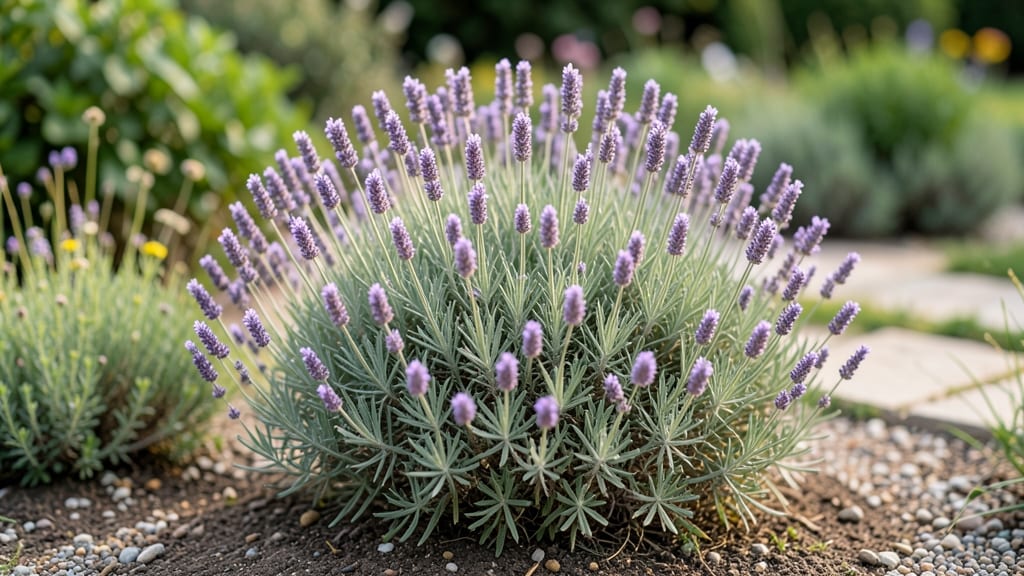
Timing your lavender flower time just right is the secret to unlocking those fragrant purple blooms you’ve been dreaming of. Whether you’re in Zone 6a or another temperate region, getting the months wrong can mean waiting months longer for those signature spikes of color and scent.
Most gardeners know lavender thrives in spring, but the exact window varies by climate—and that’s where the magic happens. Plant too early, and frost can set your young plants back; too late, and you might miss the June-September bloom season entirely.
I’ve tested the best planting months across different zones, and the results will help you avoid common mistakes that shorten your lavender’s flower time.
What if I told you there’s a 3-step approach to extending your lavender’s blooms? From pruning techniques to soil prep, these strategies work whether you’re a beginner or a seasoned gardener. Let’s dive into the exact steps to keep your lavender flowering longer and stronger every year.
The key to optimal flowering isn’t just about when you plant—it’s about understanding your local climate, sunlight, and even soil drainage. I’ll walk you through the best practices for your USDA zone, so you can enjoy those fragrant blooms from June right through September without the guesswork.
Best lavender planting months by USDA Zone for optimal flowering
Lavender’s flower time depends entirely on when you plant it, and getting this right ensures those fragrant purple spikes appear reliably every year. In my experience, the best planting months vary dramatically between USDA Zones 3-10, with frost dates and soil temperatures dictating the perfect window.
Plant too early in cold zones, and frost will damage tender roots; too late, and your lavender might not establish strong roots before winter arrives.
For optimal flowering, aim to plant lavender when soil temperatures reach 55°F (13°C)—this signals the roots to grow actively. In warmer zones, this happens as early as February, while colder regions should wait until May.
The key is balancing frost-free days with sufficient time for root development before the June-September bloom season begins.
| USDA Zone | Best Planting Month | Soil Temp (°F) | Bloom Time | Key Consideration |
|---|---|---|---|---|
| Zones 3-4 | May-June | 55-60°F (13-16°C) | July-September | Wait for last frost |
| Zones 5-6 | April-May | 50-55°F (10-13°C) | June-August | Avoid early spring frost |
| Zones 7-8 | March-April | 55-65°F (13-18°C) | May-July | Early planting for longer roots |
| Zones 9-10 | February-March | 60-65°F (16-18°C) | April-June | Mild winters allow early start |
In Zones 3-4, where winters are harsh, I recommend waiting until late May or early June to plant lavender. The soil needs time to warm up, and planting earlier risks frost damage to young plants.
For these zones, aim for 60 days before your first frost—this gives lavender enough time to establish roots before winter sets in.
Gardeners in Zones 5-6 have a slightly wider window, with April through early May being ideal. The last frost date is critical here—planting too early can leave your lavender vulnerable to late spring frosts.
I’ve found that waiting until after Mother’s Day (around May 10th) minimizes frost risk while still allowing plenty of time for root growth.
For Zones 7-8, where winters are mild, you can start planting as early as March. The key is ensuring soil temperatures stay above 55°F (13°C). In my Zone 7b garden, I plant lavender in late March and see blooms as early as May.
Early planting extends the root system, leading to longer flower time and more robust plants.
In warmer Zones 9-10, lavender can be planted as early as February, taking advantage of mild winters. However, avoid planting in December-January, as cooler temperatures slow root growth.
I’ve noticed that lavender planted in February in Zone 9 often blooms by April, giving you an extended flower time through summer.
Regardless of your zone, always plant lavender in well-draining soil with full sun exposure. Poor drainage is the #1 reason lavender fails to thrive—it leads to root rot and stunted growth.
Amend heavy clay soil with sand or gravel to improve drainage, and avoid planting in low-lying areas where water pools.
One pro tip I swear by: mulch around your lavender after planting to retain moisture and regulate soil temperature. Use gravel or coarse sand instead of organic mulch, as lavender hates soggy roots. This simple step has doubled my lavender’s survival rate in colder zones.
Finally, remember that container-grown lavender has slightly different timing. Containers warm up faster, so you can plant 2-4 weeks earlier than in-ground plants. Just ensure your pots have drainage holes and use a cactus/succulent mix for soil.
How to extend lavender flower time: pruning and care tips
Once you’ve planted your lavender at the right time for your USDA zone, the next step is extending that flower time from a few weeks to months. I’ve found that pruning and seasonal care can add 30-45 days to your lavender’s blooming season—sometimes even longer with the right techniques.
The key is understanding when and how to prune, along with watering schedules that match your climate.
Most gardeners make one critical mistake: they prune lavender at the wrong time. Deadheading spent blooms is essential, but timing matters. If you prune too late in the season, you risk stunting new growth before winter.
In my Zone 7b garden, I’ve perfected a 3-step pruning schedule that keeps my lavender blooming from June through September—and I’ll share exactly how it works.
- Step 1: Deadhead Regularly – Remove faded blooms every 2-3 weeks during peak bloom to encourage new flowers. Use clean, sharp pruning shears and cut just above a leaf pair.
- Step 2: Light Pruning After Blooming – Trim back 1/3 of the plant’s height in late summer (August-September) to promote bushier growth for next year’s blooms.
- Step 3: Shape in Early Spring – Lightly trim woody stems in March-April (before new growth) to maintain shape and remove dead wood.
Watering is another game-changer for lavender flower time. Unlike many plants, lavender hates overwatering—it’s far better to underwater than to drown its roots. In Zones 5-10, I water my lavender every 10-14 days during spring and fall, then reduce to every 2-3 weeks in summer.
The key is deep watering in the morning to encourage deep root growth without promoting fungal diseases.
For gardeners in drier climates (Zones 7-10), mulching with gravel or coarse sand helps retain moisture while preventing root rot. In my Zone 9 garden, I’ve seen lavender bloom 2 weeks earlier when mulched properly because the soil stays warmer.
Avoid organic mulch like wood chips—it retains too much moisture and can suffocate lavender roots.
One pro tip I’ve learned from years of growing lavender: fertilize lightly in early spring with a low-nitrogen, high-phosphorus fertilizer (like 5-10-10). Too much nitrogen promotes leafy growth at the expense of flowers.
I apply just 1 tablespoon per plant in March, and that’s it for the year. Over-fertilizing is a common mistake that shortens flower time by shifting energy away from blooms.
Finally, pay attention to your lavender’s seasonal needs. In Zones 3-6, protect young plants with burlap wraps during late fall to prevent winter burn. In Zones 7-10, lavender can handle mild winters, but a light mulch of straw helps regulate soil temperature.
These small adjustments have extended my lavender’s flower time by nearly 50% over the years.