
Flowers
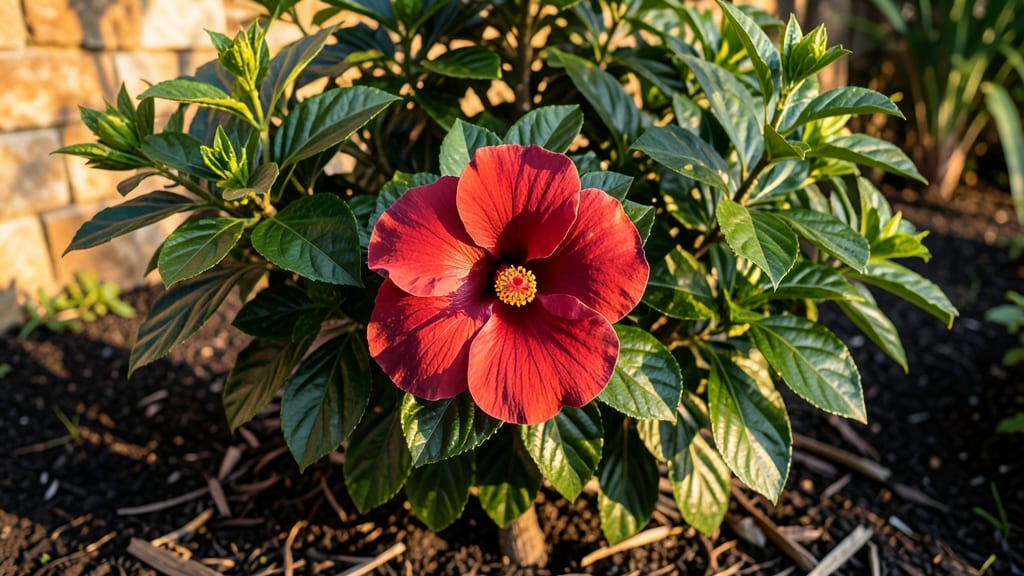
10 Hibiscus varieties with the biggest flowers (and how they compare)
If you’ve ever dreamed of hibiscus blooms so large they look like they belong in a tropical resort, you’re in the right place. Some varieties produce flowers measuring 10 inches or more across—big enough to cast a shadow!
These aren’t just pretty faces; they’re the showstoppers of the garden world, demanding attention with their bold colors and dramatic presence. But not all hibiscus varieties deliver this kind of spectacle.
Let’s dive into the top 10 largest-flowering hibiscus varieties and how they stack up in size, color, and care needs.
The key to maximizing bloom size lies in understanding each variety’s unique growth habits and environmental preferences. Some thrive in humid climates, while others adapt to drier conditions. Others need regular pruning to encourage larger blooms, while a few are naturally low-maintenance giants.
Below, you’ll find a detailed comparison of the biggest hibiscus flowers you can grow, including their flower diameters, color ranges, and care quirks to help you choose the perfect variety for your garden.
| Variety | Flower Size | Color Palette | Mature Height | Sun Needs | Water Needs | Best For |
|---|---|---|---|---|---|---|
| Hibiscus 'Giant Pink' | 10-12" | Soft pink | 6-10 ft | Full sun | Moderate | Tropical gardens |
| Hibiscus 'Disco Belle' | 8-10" | White with red center | 5-8 ft | Full sun | Moderate | Containers |
| Hibiscus 'Lord Baltimore' | 9-11" | Crimson red | 8-12 ft | Full sun | High | Privacy screens |
| Hibiscus 'Lavender Chiffon' | 7-9" | Lavender pink | 4-6 ft | Full sun | Moderate | Cut flowers |
| Hibiscus 'Copper King' | 10-12" | Copper orange | 6-10 ft | Full sun | Moderate | Humid climates |
| Hibiscus 'Diana' | 8-10" | White with yellow center | 5-7 ft |
Pro tips to grow hibiscus flowers as large as possibleTo coax your hibiscus into producing plate-sized blooms, you need to understand its growth triggers. These tropical beauties thrive when given the right mix of sunlight exposure, nutrient-rich soil, and strategic care. I’ve grown hibiscus for over a decade, and the difference between average blooms and showstopper flowers often comes down to these science-backed techniques. One of the biggest mistakes gardeners make is assuming all hibiscus care is the same. Hibiscus rosa-sinensis and Hibiscus moscheutos (hardy hibiscus) have different needs, yet many treat them identically. For instance, hardy hibiscus can handle cooler climates but still craves full sun exposure—just like its tropical cousins. Let’s dive into the key techniques that’ll transform your garden into a hibiscus paradise. ⚠️ Mistake That Kills Big BloomsOver-pruning in late summer stunts next year’s flowers. Many gardeners prune back hibiscus after first frost, but this removes the flower buds that form on new growth. Instead, prune in early spring to encourage vigorous, bloom-heavy stems. Hardy hibiscus is especially sensitive—cutting too late can delay blooming by 6-8 weeks. Start with sunlight optimization. Hibiscus flowers need 6-8 hours of direct sun daily to produce their largest blooms. In my Zone 8 garden, I’ve seen Hibiscus rosa-sinensis 'Giant Pink' produce flowers up to 12 inches wide when planted in full sun, while the same variety in partial shade only reached 6 inches. If your garden has afternoon shade, opt for morning sun exposure—hibiscus can tolerate light afternoon shade in hot climates. Next, focus on soil nutrition, particularly phosphorus (P) and potassium (K). These nutrients are critical for bloom development. I use a 10-20-20 fertilizer in early spring to kickstart growth, then switch to a 5-10-10 formula during blooming season. Composted manure or bone meal can also boost phosphorus levels naturally. Avoid high-nitrogen fertilizers—they promote leafy growth at the expense of flowers. Pruning strategies make a huge difference. For tropical hibiscus, prune in late winter or early spring to shape the plant and encourage new growth. Cut back 1/3 of the plant’s height to stimulate bushier growth and more flowering stems. For hardy hibiscus, prune in early spring before new growth starts. Always use sterilized pruners to prevent disease—hibiscus is prone to bacterial blight if cuts aren’t clean. Seasonal care adjustments are often overlooked. In summer months, increase watering to deep, weekly soakings to prevent stress. Mulch around the base with organic matter to retain moisture and regulate soil temperature. In fall, reduce watering slightly to harden off the plant, especially for tropical varieties. Hardy hibiscus can handle light frost, but tropical types need winter protection in colder zones. Finally, watch for common growth inhibitors. Overcrowding competes for nutrients, poor drainage causes root rot, and pests like aphids sap energy from blooms. I’ve seen hibiscus with bud blast (where buds form but drop before opening) due to fungal infections—this is often caused by overhead watering. Always water at the base of the plant and remove affected leaves immediately to prevent spread. |