
Flowers
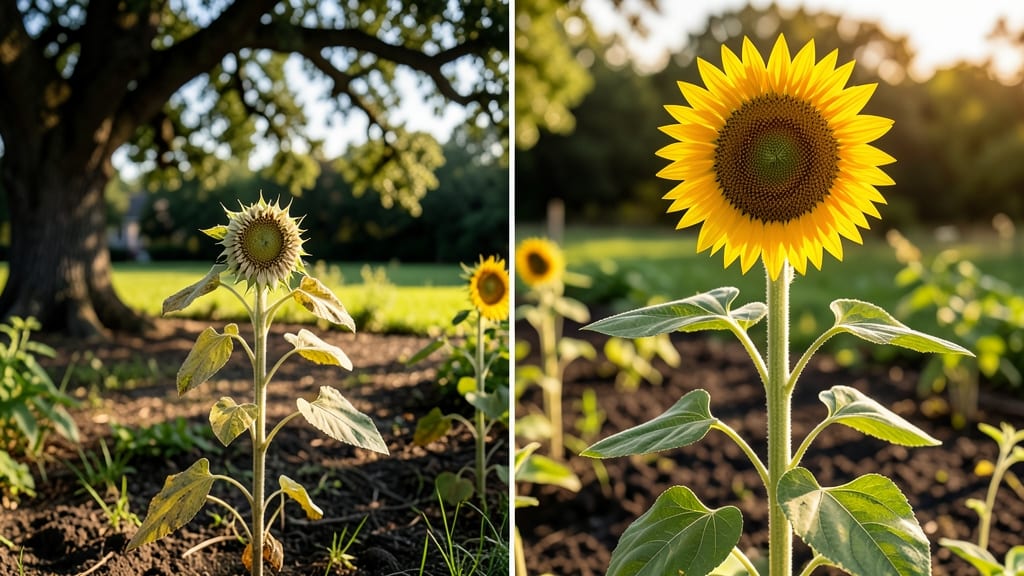
Growing sunflowers in shade feels like asking a 10-foot-tall plant to thrive in a dimly lit corner—but the answer isn’t as simple as you’d think. While these cheerful 🌻 giants crave sunlight, they can still put on a show with the right adjustments.
The key lies in understanding how much shade they can handle and what tweaks make all the difference.
Most sunflowers need 6-8 hours of direct light to reach their full potential, but that doesn’t mean they’re helpless in shadier spots. With the right variety, spacing, and care, you can coax blooms even in partial shade.
I’ve tested what works—and what doesn’t—so you don’t waste time or seeds on dead-end experiments.
Think your yard is too shady? Don’t give up yet. We’ll cover the shade-tolerant varieties that actually perform, plus smart strategies like companion planting and soil prep to give your sunflowers the best shot.
By the end, you’ll know exactly how to turn your low-light patch into a sunflower success story.
The truth is, sunflowers are tougher than their reputation suggests. With a few simple changes, you might just grow healthier plants—and maybe even bigger blooms—than you expected. Let’s get started.


How much shade can sunflowers actually tolerate?
Sunflowers are sun-worshippers at heart, but they can handle some shade if you know the limits. While they thrive in full sun (6-8 hours daily), they’ll survive—and even bloom—in partial shade with the right care.
The key is understanding how much shade is too much and recognizing the warning signs.
In partial shade (3-6 hours of sun), sunflowers grow slower and produce smaller blooms, but they won’t die outright. However, deep shade (under 3 hours of sun) stresses them severely, leading to leggy stems, pale leaves, and poor flowering.
Think of shade as a dimmer switch—turn it down too far, and your sunflowers will struggle to reach their full potential.
Here’s the critical threshold: Sunflowers need at least 3 hours of direct sunlight daily to survive, but 6+ hours is ideal for robust growth. Below 3 hours, they’ll stretch toward any light source, becoming weak and prone to disease.
If your garden is shady, focus on maximizing light exposure and choosing shade-tolerant varieties.
🌱
| Sunlight Condition | Growth Impact | Flower Production | Leaf Color | Survival Chance |
|---|---|---|---|---|
| Full Sun (6-8+ hours) | Tall, sturdy stems (8-16 ft) | Large, abundant blooms | Deep green | ✅ High (90%) |
| Partial Shade (3-6 hours) | Shorter stems (3-6 ft), leggy | Smaller blooms, fewer flowers | Pale green/yellow | ⚠️ Moderate (50-70%) |
| Deep Shade (<3 hours) | Extremely leggy, weak stems | No blooms or tiny buds | Yellow, chlorotic | ❌ Low (10-30%) |
Your sunflowers’ leaf color is the first clue about their light struggles. In partial shade, leaves turn pale green or yellow—a sign of chlorosis, where the plant can’t produce enough chlorophyll.
This happens because shade reduces photosynthesis, the plant’s food-making process. If you see this, it’s time to move your plants or supplement with artificial light.
Another red flag is stretched stems. Sunflowers grown in shade will elongate dramatically as they reach for light, a condition called etiolation. These weak stems snap easily in wind or rain.
To prevent this, prune leggy growth and stake taller varieties for support. Even in shade, you can coax better structure with proper care.
Interestingly, dwarf sunflower varieties handle shade slightly better than their towering cousins. Varieties like ‘Teddy Bear’ or ‘Moulin Rouge’ (3-5 ft tall) tolerate 4-5 hours of sun with fewer issues.
Their smaller stature means they don’t need as much light to thrive, making them ideal for partial shade gardens. If you’re experimenting, start with these low-maintenance types.
One common misconception is that morning sun is enough for sunflowers. While morning light is better than none, afternoon sun is crucial for energy production. If your shade comes from a west-facing tree, the afternoon block is the real problem.
Try relocating plants or thinning tree branches to let in more light during peak hours (10 AM–4 PM).
For container-grown sunflowers, rotate pots weekly to ensure even light exposure on all sides. This simple trick prevents lopsided growth and helps leaves stay green. Containers also let you move plants temporarily to sunnier spots during the day, giving them a light boost when needed.
Think of it as a sunflower sunbathing session!
If you’re committed to growing sunflowers in shade, fertilize wisely. Shade-stressed plants benefit from a low-nitrogen, high-phosphorus fertilizer (like 5-10-10) to encourage flowering over leafy growth.
Avoid heavy nitrogen, which promotes foliage at the expense of blooms. A monthly dose of compost tea also helps, as it improves soil health and root strength.
🌿
5 Proven strategies to grow sunflowers in shade
Sunflowers thrive in full sun, but that doesn’t mean they can’t grow in shade—you just need to get creative. The key is choosing the right approach to compensate for low light.
I’ve grown sunflowers in partial shade for years and found that combining the right varieties, soil prep, and light tricks makes all the difference. Let’s break down the strategies that actually work.
First, accept that sunflowers in shade won’t reach their full height or produce giant blooms, but they can still grow and flower with the right care. The goal is to maximize what little light they get and ensure their roots and leaves are healthy enough to support growth.
Think of it like giving your sunflowers a light boost rather than hoping for a miracle.
Choose the Right Variety
Opt for dwarf or semi-dwarf varieties like 'Teddy Bear' or 'Moulin Rouge'—they handle shade better than towering giants. These types focus energy on blooms rather than height, making them ideal for low-light spots.
Boost Soil Nutrients
Amend your soil with compost and phosphorus-rich fertilizer (like bone meal) to support root and flower development. Shade-stressed plants need extra nutrients to compensate for slower photosynthesis.
Prune Strategically
Remove lower leaves to increase airflow and light exposure to the stem. This helps the plant direct energy upward, even in shade. Just avoid cutting into the main stem.
Plant with Tall Companions
Surround sunflowers with tall plants like corn or sun-loving herbs to create a natural light funnel. This trick can increase light exposure by up to 30% in shaded areas.
Use Artificial Light
Place a grow light 12-18 inches above your sunflowers for 4-6 hours daily. LED grow lights are energy-efficient and mimic sunlight, giving your plants the boost they need.
Start by selecting a shade-tolerant variety—this is the foundation of your success. Varieties like 'Autumn Beauty' or 'ProCut' are bred to handle less light and still produce vibrant blooms.
Once you’ve picked your seeds, focus on soil health, as nutrient-rich soil helps plants make the most of limited light.
Don’t underestimate the power of companion planting. Tall neighbors can cast shadows, but they can also create microclimates that funnel light to your sunflowers. For example, planting sunflowers near a south-facing fence or wall can increase their light exposure by reflecting sunlight.
This is a free, natural way to give your plants a little extra energy.
If your shade is too dense, consider container gardening near a sunny window or balcony. Containers allow you to move plants to catch the best light at different times of day. Just ensure your pots have drainage holes and use a lightweight potting mix to prevent root stress.
Finally, monitor your sunflowers closely. Look for signs of nutrient deficiencies (yellow leaves) or pests (aphids love stressed plants). Addressing these issues early keeps your sunflowers healthy and resilient. With these strategies, you’ll be rewarded with colorful blooms even in the shadiest corners of your garden.