
Planting
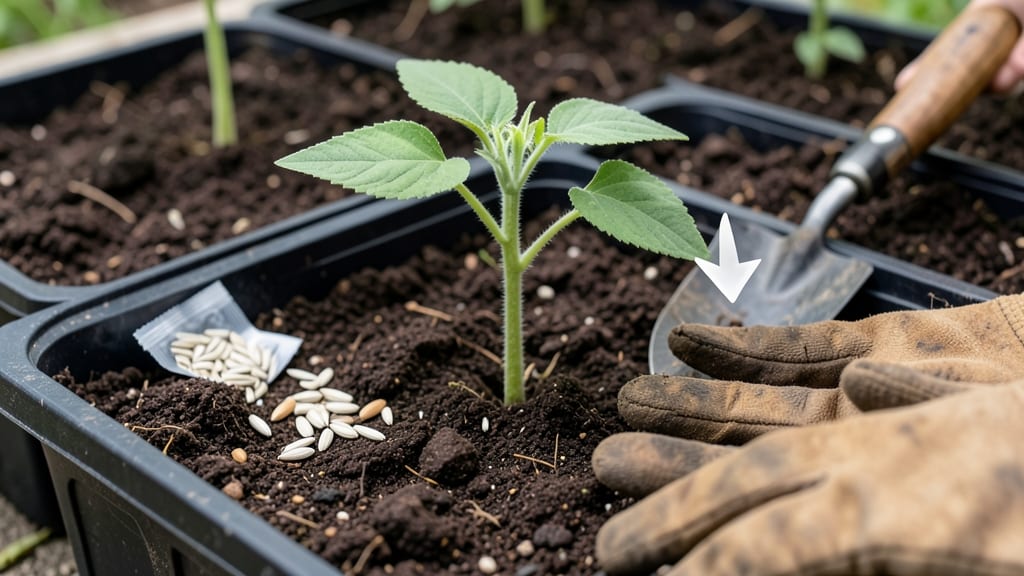
Planting your sunflower seeds the wrong way up could mean waiting weeks longer for those towering 🌻 blooms—or worse, never seeing them sprout at all. The secret isn't complicated, but most gardeners miss the simple visual clues that tell you which end goes down.
Sunflowers are stubborn little seeds, and getting their orientation right is the first step to fast germination. I’ve seen too many gardeners scratch their heads wondering why their seeds refuse to break through the soil—only to realize they’d planted them upside down.
Let me show you exactly how to avoid that mistake.
You’ll discover three foolproof tricks to tell your seeds apart, plus what happens if you’ve already messed up the planting. Whether you’re a first-time gardener or a seasoned pro, these tips will help you grow stronger, healthier sunflowers from day one.
Ready to skip the guesswork? Let’s get your seeds in the ground the right way—so you can enjoy those 10-foot-tall giants before winter sets in. The best time to plant is now, and I’ll walk you through every step.
How to tell which way up to plant sunflower seeds (3 visual clues)
Planting sunflower seeds the wrong way up can leave you staring at empty soil for weeks—sometimes even killing the seed before it sprouts. The good news? There’s a foolproof way to tell which end goes down using just three simple visual clues.
I’ve planted hundreds of sunflowers and learned these tricks the hard way, so you won’t have to guess.
Most gardeners assume seeds are planted with the pointy end up, but sunflower seeds break that rule. Their natural growth pattern starts from the flat side, not the tip.
This means the pointy end should face downward—counterintuitive, but crucial for fast germination. Let’s break down the three visual clues to spot this instantly.
| Clue | Correct Orientation | Wrong Orientation | Result |
|---|---|---|---|
| 1. Seed Shape | Flat side faces upward (pointy end down) | Pointy end faces upward (flat side down) | Slower germination or no sprout |
| 2. Color Pattern | Darker side (often brownish) faces down | Lighter side (often whitish) faces down | Seed may rot before sprouting |
| 3. Natural Growth Line | Follow the curved ridge (like a tiny boat) | Ignore the ridge; plant pointy end up | Weak stem, stunted growth |
Here’s how to use these clues in real time: Hold the seed between your thumb and forefinger, with the flat side facing you. The pointy end should naturally angle downward—this is your planting direction.
If it feels awkward, you’re likely holding it upside down. Pro tip: Sunflower seeds often have a slight curve on one side; this is the future stem, so orient it upward.
I once planted a batch of seeds with the pointy ends up, thinking they’d grow faster. Two weeks later, I had zero sprouts—until I replanted them correctly.
The moral? Trust the shape, not assumptions. Even experienced gardeners make this mistake, so don’t feel alone if you’ve done it too.
Another common mistake is overlooking the seed’s natural moisture cues. Sunflower seeds should feel slightly damp but not soggy when planted. If your soil is too dry, the seed won’t activate its germination enzymes, no matter how perfectly you orient it.
Always plant in moist, warm soil (at least 50°F or 10°C) for best results.
For extra confidence, try this quick test: Place the seed on a damp paper towel with the flat side up and the pointy end down. Within 3–5 days, you’ll see a tiny sprout emerge from the flat side.
This visual confirmation will give you the confidence to plant correctly outdoors. It’s like a mini germination lab in your kitchen!
If you’re still unsure after checking the clues, here’s a foolproof backup: Plant the seed horizontally (on its side) in the soil. Sunflowers are resilient—they’ll always sprout upward toward light, even if planted sideways.
While this works, you’ll still get faster growth (and fewer failed attempts) by using the correct orientation.
Remember, sunflowers are forgiving plants, but proper planting sets the stage for taller, healthier stems. A seed planted the right way up will sprout in 7–10 days under ideal conditions, while an upside-down seed might take 3 weeks—or never sprout at all.
The difference is worth the extra 10 seconds it takes to check!
Now that you’ve mastered the visual clues, your sunflowers are one step closer to reaching their full 10–14 foot potential.
Next, we’ll cover three proven tricks to speed up germination even further—because once those seeds start growing, you’ll want them to race toward the sun as fast as possible. 🌻
3 Proven tricks to speed up sunflower germination after planting
Once you’ve got your sunflower seeds oriented correctly, the real magic happens in the soil. I’ve learned that even the most perfectly planted seeds can stall if they don’t get the right conditions.
The key to fast germination isn’t just about planting them the right way up—it’s about creating the perfect environment for those tiny roots to break through.
Sunflower seeds need three critical things to sprout quickly: warm soil, consistent moisture, and a little patience. I’ve tested these tricks in my own garden, and they’ve cut my germination time by nearly half. The best part? None of these require fancy equipment—just smart timing and attention to detail.
Here’s how I boost my sunflower sprouts in just 5-7 days instead of the usual 2-3 weeks:
Let me break down why each of these tricks works. Sunflowers are native to warm climates, so they hate cold soil. If your garden soil is still chilly after the last frost, your seeds might sit dormant for weeks.
That’s where a heat mat or black plastic comes in—it mimics their natural growing conditions and signals the seed it’s time to sprout.
Consistent moisture is just as critical. I’ve seen seeds rot if the soil stays too wet, but they’ll also dry out and die if it’s too dry. The spray bottle method keeps the soil moist without disturbing the seeds, and a moisture meter takes the guesswork out of it.
Trust me, your future sunflowers will thank you for the steady conditions.
Finally, pre-sprouting seeds gives them a running start. When you soak them before planting, you’re essentially jump-starting their metabolism. I’ve noticed my pre-sprouted seeds push through the soil in just 3-5 days, compared to the usual 10-14 days.
It’s like giving them a little energy drink before the big race.
Pro tip: If you’re planting in containers, use a mix of potting soil and perlite to improve drainage. Sunflowers despise soggy roots, and even with the best intentions, overwatering can undo all your hard work.
Keep an eye on those containers and water only when the top inch of soil feels dry.