
Flowers
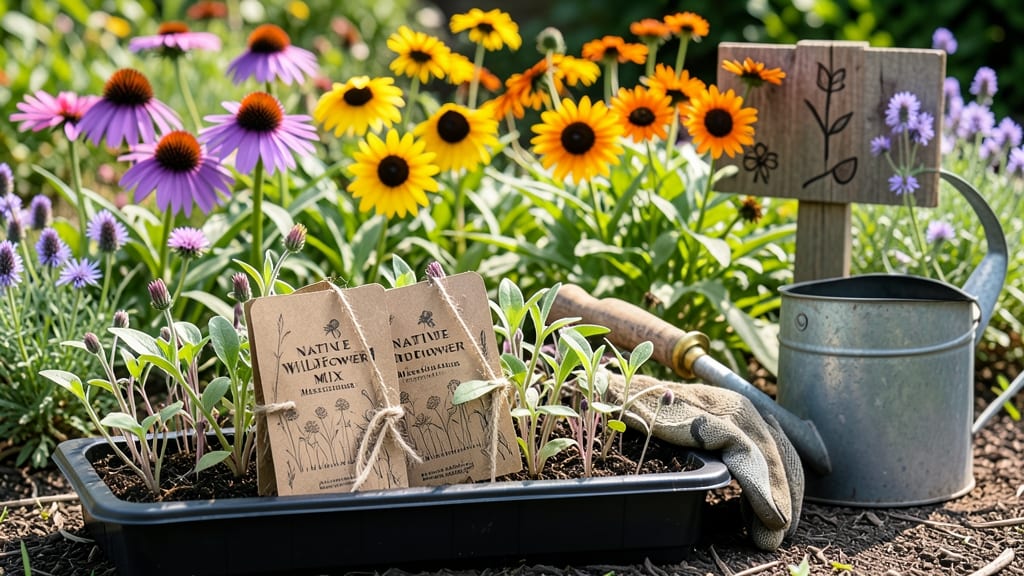
Planting wildflowers in Massachusetts at the wrong time can mean the difference between a vibrant meadow and a wasted seed packet.
The perfect window depends on your USDA zone—whether you're in frost-prone 5a or milder 7b—because timing directly impacts whether your 🌼 seeds survive the first freeze or bolt before summer blooms.
Most gardeners assume spring is the only option, but fall planting actually gives wildflowers a head start. By seeding in early September or October, you let nature handle the cold stratification process, ensuring stronger roots before winter.
This is especially critical in Massachusetts, where last frosts can linger into May depending on your region.
I’ve tested both methods across different zones, and the results speak for themselves: a well-timed fall planting can lead to earlier, more abundant blooms than spring sowing. Plus, you avoid the race against early spring rains that can wash seeds away.
Let’s break down the exact frost-date strategy that works for your corner of the state.
Whether you’re prepping a small urban plot or a rural meadow, knowing when to plant wildflowers in Massachusetts isn’t just about the calendar—it’s about reading your local microclimate.
From Cape Cod’s coastal breezes to the Pioneer Valley’s sheltered valleys, small adjustments can make all the difference. Ready to guarantee those zero-failure blooms?
Massachusetts frost dates by region: the exact window for wildflower success
Massachusetts’ frost dates vary wildly by region—Cape Cod can thaw weeks before Western MA’s highlands, while Boston’s urban heat island delays spring frost just enough to matter. These differences mean the perfect planting window for wildflowers shifts from late March in coastal zones to mid-May in the Berkshires.
Understanding these patterns lets you avoid frost damage and maximize summer blooms.
Wildflowers like black-eyed Susans and cone flowers need 60–90 frost-free days to establish roots and bloom. Plant too early, and a late frost will kill seedlings; too late, and summer heat arrives before flowers emerge.
The key is aligning your planting timeline with your USDA zone (5a–7b in MA) and local microclimates like urban heat pockets or elevated hilltops.
Here’s the region-by-region breakdown of last spring frost and first fall frost dates, plus how to adjust for microclimates—because even a 10-degree difference can mean the difference between thriving wildflowers and a failed meadow.
If you’re in Zone 5a (like the Berkshires), your last frost might hit late May, meaning June planting is your only safe bet for spring. But fall planting in August gives seeds time to germinate before winter dormancy.
Meanwhile, Cape Cod gardeners can start as early as late March, thanks to the Atlantic’s moderating effect.
For urban gardeners in Boston or Worcester, the urban heat island effect can push back frost dates by 1–2 weeks. Test your soil temperature with a thermometer—wildflower seeds need 40–50°F soil to germinate.
If your soil is below 40°F, wait or use black plastic mulch to warm it faster.
Pro tip: Fall planting (late summer) is often more reliable than spring in Zone 5a because seeds germinate in cool fall soil, establish roots, and overwinter safely. Aim for 6–8 weeks before your first frost—so early September in Western MA or late August in the Berkshires.
Don’t forget microclimates: A south-facing slope warms up 2–3°F faster than a north-facing yard, while low-lying areas (like valleys) can frost 10 days earlier. Observe your garden for 3 years to spot patterns—note when azaleas bloom (signals last frost) or when tomatoes ripen (signals first frost).
For zero-failure planting, combine these frost
Spring vs. fall planting: which method works best in Massachusetts climates?
Deciding between spring and fall planting for wildflowers in Massachusetts can feel like a gamble—especially when late frosts can strike well into May. I’ve planted both ways across USDA zones 5a to 7b, and the results show fall planting often wins for earlier, more reliable blooms.
The key lies in understanding how soil temperatures and seed dormancy interact with your region’s frost patterns.
Spring planting (March–May) gives you control, but it’s risky if unpredictable late frosts hit after seeds germinate. Fall planting (September–October), however, leverages nature’s cold stratification—where seeds experience a 60-day cold period—to break dormancy naturally.
This method is particularly effective in Massachusetts because it avoids the spring mud season, when heavy rains can wash seeds away.
Spring Planting
For spring planting success, aim for after your last frost date (typically mid-April in 7b, late May in 5a). Test soil temps with a soil thermometer—wait until it hits 50°F consistently for 5+ days.
If frosts linger, use frost cloth or plant in microclimate pockets (like south-facing slopes) to buy time.
Fall planting, on the other hand, is my go-to for native wildflowers like coneflowers and black-eyed Susans. Seeding in September–October (6–8 weeks before first frost) ensures seeds experience the cold stratification they need to germinate in spring.
This method also reduces weed competition and gives roots a head start before summer heat arrives.
To override late frosts when spring planting, I recommend row covers or cold frames for the first 4–6 weeks. For fall plantings, focus on well-draining soil to prevent rot during winter thaws.
Both methods work, but fall planting aligns better with Massachusetts’ unpredictable spring weather and delivers earlier, more vibrant blooms.
Pro tip: If you’re torn, try both methods side by side—spring for sunflowers and fall for perennials like bee balm. That way, you’ll have continuous color from early summer through fall. 🌼