
Flowers
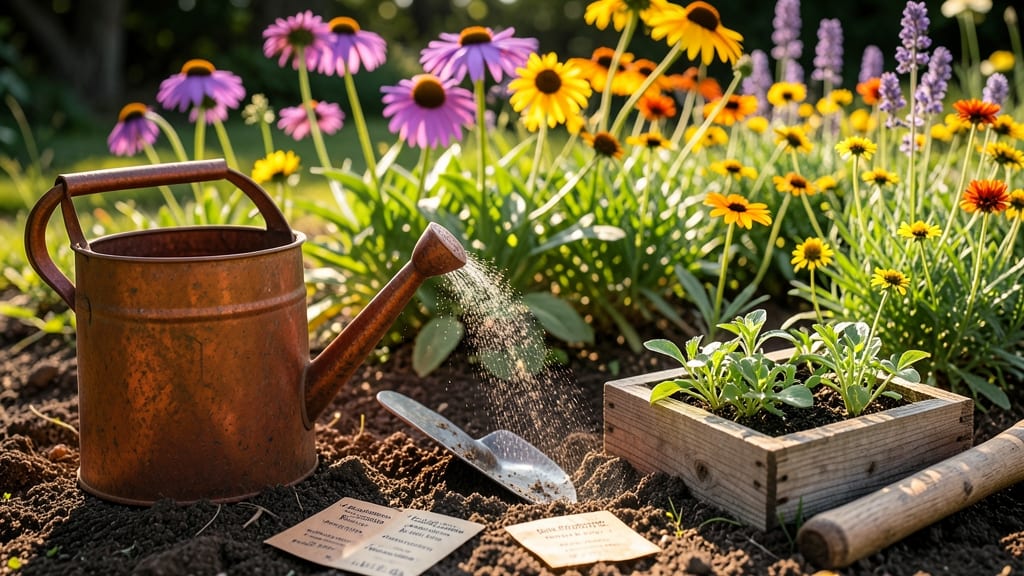
Planting wildflowers in Maryland at the wrong time can leave your garden looking bare instead of blooming—especially when frost dates and heat zones vary wildly across the state. Whether you're dreaming of a meadow filled with 🌼 black-eyed Susans or hardy coneflowers, timing matters more than you might think.
Maryland’s USDA zones 6a-8a mean your neighbors might have completely different frost-free windows than you do. In some areas, early spring planting in March works perfectly, while others wait until September to avoid late frosts.
The key is knowing your exact zone and the specific needs of the wildflowers you’re planting.
I’ve tested the best planting strategies for Maryland gardens, and what I’m about to share will help you avoid common mistakes—like planting frost-sensitive species too early or missing the ideal fall window. You’ll learn exactly when to sow seeds for maximum blooms and how to prepare your soil for success.
Let’s dive into the frost-free deadlines by county heat zones so you can start your wildflower garden with confidence. Your future meadow is just a few weeks away!
Maryland’s frost-free deadlines by heat zone: when to plant wildflower seeds
Maryland’s diverse heat zones (5A through 8A) create unique planting windows for wildflowers, where timing can make or break your meadow’s success.
The last frost date shifts dramatically from Western Maryland’s Zone 6A (late April) to Eastern Shore’s Zone 8A (early April), while Baltimore’s urban heat island often experiences earlier frost-free conditions than rural areas.
Understanding these microclimates ensures your seeds germinate at the perfect moment—neither too early (risking frost damage) nor too late (missing peak bloom seasons).
For most Maryland wildflowers, early spring (March-April) and early fall (September-October) are the ideal planting windows. Spring planting lets seeds establish roots before summer heat, while fall planting gives them a head start on spring growth.
However, Zone 5A (Western Maryland mountains) gardeners should delay spring planting until after May 1 to avoid late frosts, while Zone 8A (Eastern Shore) can start as early as February in sheltered microclimates.
Here’s the critical frost-free timeline for Maryland’s heat zones, including county-specific exceptions and the best months to plant wildflower seeds for maximum success:
| USDA Heat Zone | Avg. Last Frost | Ideal Planting Months | County Examples | Notes |
|---|---|---|---|---|
| 5A (Mountains) | May 1–15 | April–May (spring) / Sept (fall) | Allegany, Garrett | Wait until soil warms to 50°F |
| 6A (Western MD) | April 15–30 | March–April (spring) / Sept–Oct (fall) | Frederick, Washington | Avoid planting before March 15 |
| 6B (Central MD) | April 1–15 | March–April (spring) / Sept (fall) | Montgomery, Howard | Urban areas may frost later |
| 7A (Baltimore) | March 20–April 5 | February–March (spring) / Sept (fall) | Baltimore City, Anne Arundel | Heat island effect delays frost |
| 7B (Eastern MD) | March 15–25 | February–March (spring) / Sept (fall) | Calvert, Charles | Coastal areas frost earlier |
| 8A (Eastern Shore) | March 1–10 | February (spring) / Sept (fall) | Wicomico, Somerset | Plant early for longer bloom season |
In Zone 5A and 6A, where late frosts are common,
Best wildflower species for Maryland’s climate: fast-growing vs. perennial options
Choosing the right wildflowers for Maryland’s humid subtropical climate means balancing fast-growing annuals with low-maintenance perennials. Annuals like Black-Eyed Susan (Rudbeckia hirta) burst into bloom within 60 days of planting, perfect for quick meadows, while perennials like Purple Coneflower (Echinacea purpurea) return year after year with minimal care.
Maryland’s USDA zones 6a-8a support both, but their planting strategies differ dramatically.
Fast-growing annuals thrive when sown in early spring (March-April) or late summer (August-September), aligning with Maryland’s 165-200 frost-free days. Perennials, however, benefit from fall planting (September-October) to establish roots before winter.
My garden’s Butterfly Weed (Asclepias tuberosa) planted in September now blankets my sunny border with orange blooms every June—without a single seed packet after the first year!
Drought tolerance is another critical factor. Coreopsis (Tickseed) and Goldenrod (Solidago) are Maryland natives that thrive on neglect, while Lupine (Lupinus) prefers moist, well-draining soil. If your yard has clay-heavy soil like mine in Baltimore County, amend with compost and sand to prevent waterlogging.
Perennials like Bee Balm (Monarda) even attract hummingbirds—just watch for deer!
Fast-Growing Annuals vs. Perennial Wildflowers for Maryland
- ✅ Quick blooms (60-90 days)
- ✅ Full sun lovers (6+ hours)
- ✅ Self-seeding (returns yearly)
- ❌ Short-lived (dies after 1 season)
- ❌ Needs reseeding (annual labor)
- ✅ Long-term beauty (3-5+ years)
- ✅ Drought-resistant (once established)
- ✅ Low-maintenance (minimal care)
- ❌ Slower establishment (1-2 years to peak)
- ❌ Deer/browntail moth susceptibility
For immediate impact, pair annuals like Zinnia (Zinnia elegans) with perennials like Shasta Daisy (Leucanthemum × superbum). Zinnias bloom in 50 days and attract pollinators, while Shasta Daisies provide white summer blooms for 8 weeks.
My Western Maryland garden uses this combo to extend the blooming season from June to October—even in USDA zone 6b.
Soil preferences matter too. Butterfly Weed and Purple Coneflower adapt to poor, dry soil, while Cardinal Flower (Lobelia cardinalis) thrives in moist, shaded areas. Test your soil’s pH (6.0-7.0 ideal) before planting—Maryland’s acidic clay can stunt growth.
I use lime for acidity and sulfur for alkalinity to keep my wildflowers happy.
Don’t overlook native species like Wild Bergamot (Monarda fistulosa) or Partridge Pea (Chamaecrista fasciculata). They support local ecosystems and require zero pesticides. My Eastern Shore garden features Partridge Pea’s yellow blooms in late summer, just when other flowers fade.
For shady spots, try Virginia Bluebells (Mertensia virginica)—they bloom blue in spring and pink in fall!
Start with 5-10 wildflower seeds per square foot for a natural look. Scatter them after lightly raking soil to ensure seed-to-soil contact. Water deeply once weekly until established, then let nature take over.
Maryland’s wildflowers will reward you with color, pollinators, and easy beauty—with the right species for your sun, soil, and schedule.