
Plants
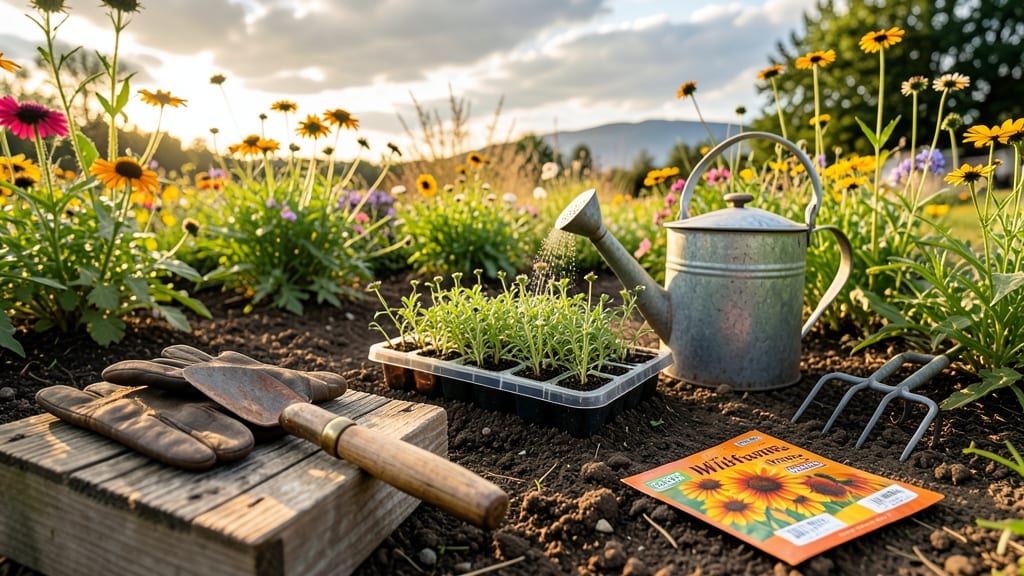
Planting wildflower seeds in Michigan at the wrong time means waiting months—or even years—for those vibrant blooms to appear. The key isn’t just picking a season; it’s syncing with your USDA zone’s frost-free window, whether you’re in Zone 4b’s colder north or Zone 5b’s milder south.
Skip the guesswork and learn exactly when to sow for maximum germination and pollinator-friendly gardens.
Spring planting in Michigan kicks off as early as March in the southern half, but northern regions wait until April to avoid late frosts. Fall offers a second chance—August through September—when seeds germinate in cool soil and establish roots before winter.
Both timings hinge on understanding your microclimate, from the Upper Peninsula’s shorter growing season to Detroit’s longer frost-free stretch.
Why does timing matter so much? Wildflowers like Black-eyed Susans and Purple Coneflowers thrive when sown 4–6 weeks before the last frost date, giving them a head start. Miss this window, and you risk seedlings struggling against heat or cold.
I’ll break down the science behind Michigan’s planting calendar and how to adjust for your specific location.
Ready to transform your yard into a pollinator paradise? Let’s dive into the exact months, soil prep tricks, and post-planting care that’ll have your wildflowers blooming like clockwork—no matter where in Michigan you live.
Michigan’s wildflower planting calendar: exact frost-free windows by Zone 4b-5b
Michigan’s USDA Zones 4b-5b create unique challenges for wildflower gardeners, with last frost dates varying by 1-2 weeks between northern and southern regions.
In Zone 4b (e.g., Upper Peninsula), expect first frost as early as September 20th, while Zone 5b (e.g., Lower Peninsula) typically holds until October 10th. These differences mean your planting window can shift by 3 weeks depending on location.
For spring planting, aim to sow seeds 2-4 weeks after your average last frost date. In Zone 4b, this usually means late April to early May, while Zone 5b gardeners can start as early as mid-April.
The key is waiting until soil temperatures reach 50°F—use a soil thermometer to check if you’re unsure.
Fall planting offers a second chance for success, especially for perennial wildflowers that need time to establish roots before winter. In both zones, late August to early September provides the ideal 6-8 week window before ground freezes.
Seeds sown too late may not germinate before cold sets in, while early sowing risks overwintering issues.
Annual wildflowers like cosmos and zinnia thrive when planted in spring, while perennials such as coneflower and black-eyed Susan benefit from fall planting. The Upper Peninsula’s shorter growing season favors fast-growing annuals, whereas southern Michigan’s longer summers support more perennial mixes.
Microclimates play a crucial role in Michigan gardening. South-facing slopes warm up faster in spring, while low-lying areas may experience frost 2 weeks later than surrounding regions. Use these natural advantages: plant heat-loving species like sunflowers on warm slopes, and cool-season wildflowers such as lupine in protected valleys.
Here’s your frost-free planting guide broken down by zone and season, including regional exceptions for Michigan’s diverse landscapes:
For Zone 4b gardeners, extend your spring window by using row covers or cold frames to protect early seedlings from late frosts. In Zone 5b, you can push fall planting slightly later—up to September 15th—if your microclimate stays mild.
Always check local weather forecasts for 10-day outlooks before committing to a planting date.
Native Michigan wildflowers have adapted to the state’s short growing seasons, so prioritize species that thrive in your zone. For example, prairie dropseed handles Zone 4b’s harsh winters better than Mexican sunflower, which struggles in colder climates.
When in doubt, choose pre-mixed regional blends labeled for your specific zone.
Remember: Soil temperature matters more than air temperature for seed germination. Use a soil thermometer to confirm 50°F+ before planting spring seeds, even if daytime air temps feel warm. For fall plantings, aim for 60°F soil temps—cooler soils delay germination and increase frost risk.
Pro tip: Mark your calendar for Michigan’s average frost dates and adjust based on 3-year trends in your
How to choose the best wildflower seed mix for Michigan’s climate
Michigan’s diverse ecosystems—from the sandy soils of the Upper Peninsula to the rich loam of southern farmlands—demand wildflower seed mixes tailored to your specific conditions. The wrong blend can leave you with sparse blooms or invasive species crowding out natives.
For example, Black-eyed Susans thrive in full sun and well-draining soil, while Purple Coneflowers adapt to drier, clay-heavy areas. I’ll walk you through how to match your site’s sun exposure, soil type, and pollinator goals to the perfect mix.
Start by identifying your garden’s sunlight conditions.
Michigan’s USDA Zones 4b-5b mean some areas get only 5 hours of sun daily, while others bask in 8+. Full-sun mixes (like those with Butterfly Weed and Goldenrod) need 6+ hours, while part-shade blends (with Wild Bergamot or Joe-Pye Weed) tolerate 3–5 hours.
Check your space for at least 4 hours of direct light—wildflowers won’t thrive in deep shade.
Next, consider your soil composition. Michigan’s soils range from sandy (common in the UP) to clay-heavy (southern regions). Sandy soils drain too quickly, while clay holds moisture and can suffocate roots.
For sandy areas, opt for mixes with drought-tolerant species like Prairie Blazing Star. Clay soils benefit from loosening amendments (like compost) and mixes featuring deep-rooted perennials such as Rattlesnake Master.
🌼
🌱 Pre-Mixed Seed Blends vs. Custom Wildflower Seed Mixes
Pre-Mixed Blends
✅ Easy to plant—just scatter and cover
✅ Budget-friendly for beginners
✅ Pollinator-approved mixes available
❌ Limited to generic species
❌ May include invasive species
Custom Seed Mixes
✅ Tailored to your soil/sun
✅ Native species support local ecosystems
✅ Long-term blooms and pollinator appeal
❌ More expensive upfront
❌ Requires research to balance species
For pollinator-focused gardens, prioritize native species like Milkweed (for monarchs) or Bee Balm (for bees). These plants co-evolved with Michigan’s insects, offering nectar and habitat. Avoid non-native mixes—while they may bloom, they often lack nutritional value for local pollinators.
I recommend sourcing seeds from regional suppliers like Prairie Moon Nursery or Michigan Native Plant Society for guaranteed native varieties.
Finally, decide between annuals (fast blooms, one season) and perennials (long-term, low-maintenance). Annuals like Cosmos deliver instant color but require replanting yearly. Perennials like Prairie Smoke establish over 2–3 years but reward you with decades of blooms. Mix both for a balanced, low-effort garden that thrives with minimal intervention.
🌿