
Flowers
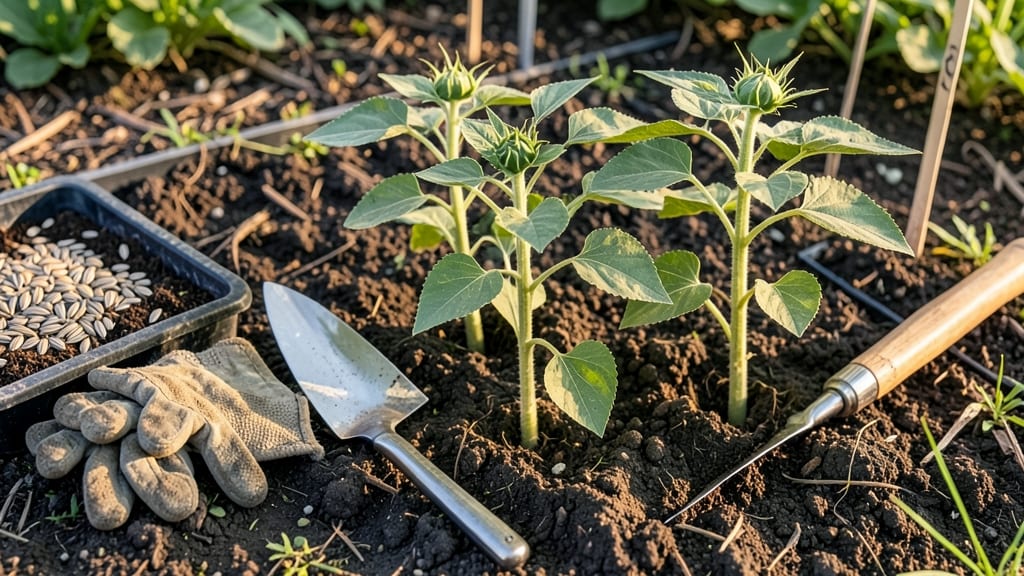
Planting sunflowers in Zone 6 at the wrong time means watching frost nip your seedlings or missing out on those towering 🌻 blooms you crave. The secret to success? Timing it perfectly—after the last frost but before summer heat sets in.
Most gardeners in Zone 6 (6a/6b) wait until mid-April to early June to plant, but that’s just the starting point. Soil temperature matters just as much as calendar dates—wait until it’s consistently above 50°F for those seeds to sprout reliably.
I’ve tested this with both early and late varieties, and the difference in growth is dramatic. Whether you’re growing Mammoth giants or compact Teddy Bear types, getting the timing right means bigger blooms and fewer headaches.
Let’s break down the exact weeks before last frost you should aim for, plus how to adjust for your specific microclimate—because even in Zone 6, not all gardens are created equal.
Zone 6 sunflower planting timeline: weeks before last frost for optimal growth
Sunflowers in Zone 6 love warmth but hate cold soil—planting too early risks frost damage, while late planting cuts bloom time. The ideal window spans from 2-4 weeks before your last frost date until early June, when soil reaches 50°F+ consistently.
Most Zone 6 gardeners experience their last frost around mid-April, but this varies yearly by 5-10 days.
For direct-sown seeds, aim to plant 1-2 weeks after your last frost date when soil is workable. Early varieties like 'Teddy Bear' can handle cooler soils (45°F+), while giant varieties like 'Mammoth' need warmer soil (55°F+) to germinate reliably.
Starting seeds indoors 2-3 weeks before transplanting gives you a head start for late frosts.
Soil temperature is critical—sunflower seeds won’t germinate below 50°F. Use a soil thermometer to confirm readiness. In cooler Zone 6 springs, consider black plastic mulch or row covers to warm the soil faster. This lets you plant 1-2 weeks earlier than usual without risking frost damage.
Here’s your Zone 6 sunflower planting timeline, broken down by method and variety type:
| Stage | Action | Soil Temp | Variety Notes |
|---|---|---|---|
| 4-6 Weeks Before Last Frost | Start dwarf/early varieties indoors (e.g., 'Teddy Bear') | 60°F+ (warmth needed) | Transplant outdoors after last frost |
| 2-3 Weeks Before Last Frost | Direct-sow early varieties in protected microclimates | 50°F+ (minimum for germination) | Use row covers for frost protection |
| 1 Week After Last Frost | Direct-sow standard/giant varieties (e.g., 'Mammoth') | 55°F+ (optimal for fast growth) | Plant 1" deep, 6" apart |
| Early June (Latest) | Sow late varieties for fall blooms (e.g., 'Autumn Beauty') | 60°F+ (avoid heat stress) | Harvest before first frost (~mid-October) |
For direct-sown seeds, the sweet spot in Zone 6 is mid-April to early May, when soil warms to 55°F+. This gives plants 100+ days to mature before fall frosts. If you’re using transplants, start seeds indoors 2-3 weeks before your last frost date for early blooms.
Adjust timing based on variety maturity: dwarf varieties (50-60 days to bloom) can handle later plantings, while giant varieties (90-120 days) need early starts. In Zone 6a (colder), plant 1 week later than Zone 6b to avoid early frosts.
Pro tip: Test your soil for moisture before planting—sunflowers need well-draining soil to avoid rot. Amend heavy clay with compost or sand to improve drainage. This ensures roots establish quickly, helping plants outpace late frosts.
If your area has unpredictable late frosts, choose frost-tolerant varieties like 'Autumn Beauty' or 'ProCut' (cut-flower types). These handle light frosts better than giant varieties. For extra protection, use cloche covers or row fabric until seedlings are 4-6 inches tall.
Remember: Sunflowers thrive on heat, so the earlier you plant, the taller and more robust your blooms will be. Aim for full sun exposure (6+ hours daily) and consistent moisture during germination. With the right timing, you’ll enjoy vibrant blooms from July to September!
How to adjust sunflower planting for Zone 6’s microclimates and frost risks
Zone 6’s unpredictable frost dates and microclimates can make sunflower planting tricky. A late frost in May can wipe out tender seedlings, while waiting too long reduces bloom time.
The key is adapting your approach based on your specific location—whether you’re in a cold valley or a warmer urban pocket.
I’ve learned the hard way that ‘Mammoth’ sunflowers need extra protection in Zone 6’s cooler pockets, while ‘Teddy Bear’ varieties tolerate cooler soils better. Choosing the right variety and using season-extending tools can mean the difference between a failed crop and a bountiful harvest.
Here’s how to customize your planting strategy for Zone 6’s challenges, including frost protection, soil warming, and variety selection to match your microclimate.
⚠️ Zone 6 Frost Risk Warning
In Zone 6, late frosts can strike as late as May 15, while early frosts may arrive by September 15. If you plant sunflowers too early, seedlings can be killed by 28°F temperatures. Use these adjustments:
- Wait until soil reaches 50°F (use a soil thermometer).
- Choose frost-tolerant varieties like ‘Autumn Beauty’ or ‘Teddy Bear’ for cooler areas.
- Use row covers or black plastic mulch to warm soil and protect seedlings.
🌱 Pro Tip: Plant ‘Mammoth’ varieties in warmer microclimates (like south-facing slopes) for best results.
For cooler microclimates in Zone 6, start seeds indoors 2-3 weeks before your average last frost date. Use grow lights to give seedlings a head start, then transplant them after the frost danger has passed. This gives you a 4-6 week advantage over direct-sown seeds.
If you’re in a warmer urban area, you can plant sunflowers as early as mid-April, but always check your local frost-free date. For example, Chicago’s last frost is typically around May 10, while Denver’s can be as late as May 20. Adjust accordingly!
To extend the growing season, use row covers or cold frames to protect seedlings from late frosts. I’ve had success with floating row covers (like Reemay fabric) over young plants, which can raise soil temperatures by 5-8°F and shield them from 25°F+ frosts.
For soil warming, lay down black plastic mulch 2-3 weeks before planting. This raises soil temperatures by 10°F+ and speeds up germination. Just remember to remove it once plants are established to prevent overheating.
Finally, choose the right variety for your microclimate. ‘Mammoth’ sunflowers need longer growing seasons (90+ days), while ‘Teddy Bear’ matures in just 50-55 days, making it ideal for shorter seasons. Pair this with proper spacing (6-12 inches apart) and deep watering to ensure strong stems and larger blooms.