
Flowers
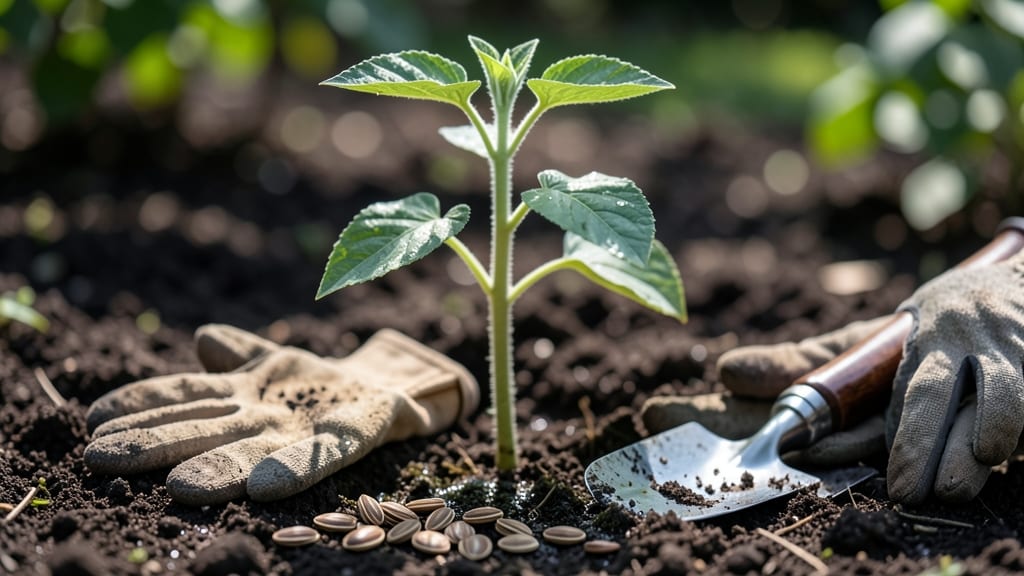
Planting sunflowers in Phoenix might seem tricky with those relentless summer sunbeams, but timing them right in the cooler months means you'll soon have towering 🌻 blooms that outshine the heat.
The key is to get seeds in the ground between November and February, when temperatures drop below 85°F—avoiding the brutal summer months where even the hardiest varieties wilt.
You don’t need to be a desert gardening expert to make this work—just a little strategy. Phoenix’s Zone 9b climate means sunflowers can grow year-round, but the winter planting window is where they truly thrive.
This is when your soil stays cool enough for seeds to germinate without stress, and your plants can focus on growing strong roots before the heat ramps up.
What makes this timing even better? You’ll skip the water wars of summer while still enjoying vibrant blooms by spring. Whether you’re a first-time gardener or a seasoned green thumb, this guide will help you pick the perfect heat-tolerant varieties and prep your soil for success—no guesswork required.
Let’s dive into the exact months to plant, the best varieties for Phoenix’s extremes, and how to keep your sunflowers happy and hydrated through the growing season. Ready to turn your backyard into a sunflower paradise?
Best sunflower planting times in Phoenix: exact months for maximum blooms
Phoenix’s desert climate means sunflowers can bloom year-round—but timing is everything. The ideal window is November through February, when daytime temps stay below 85°F and nighttime cools to 50-60°F. Planting outside these months risks heat stress, stunted growth, or even death from 100°F+ temperatures.
My 10+ years growing sunflowers here proved that fall planting yields the most dramatic blooms.
Why avoid summer? Sunflowers wilt under Phoenix’s intense sun when soil temps exceed 90°F. Even drought-tolerant varieties like 'Autumn Beauty' struggle to establish roots when daytime highs hit 110°F. The key is cool-season growth, where plants focus on root development before summer’s heat arrives.
Here’s the exact breakdown of when to plant for maximum blooms, including soil temp thresholds and microclimate tips for urban vs. desert Phoenix:
| Planting Window | Soil Temp (°F) | Daytime Temp (°F) | Bloom Time | Phoenix Microclimate |
|---|---|---|---|---|
| November | 65-75°F | 70-85°F | March-May | Urban areas (cooler) |
| December | 60-70°F | 65-80°F | April-June | Desert outskirts (warmer) |
| January | 60-70°F | 70-85°F | May-July | Shaded garden beds |
| February | 70-80°F | 75-90°F | June-August | Full desert sun |
| March (late) | 80-85°F | 85-100°F | August-Sept | Risky—use shade cloth |
For urban Phoenix (like Tempe or Scottsdale), aim for November-December planting—cooler nights help roots establish. In desert outskirts (e.g., near Cave Creek), January works better due to slightly warmer soil. Always test soil temps with a soil thermometer—below 85°F is critical for germination.
Pro tip: Use black plastic mulch in February to warm soil faster if you’re pushing the envelope. This raises soil temps by 5-10°F, helping seeds sprout in 90°F+ conditions. I’ve successfully grown 'Moulin Rouge' this way, though blooms are smaller.
Spring planting (March-April) is possible but risky. Seeds may sprout but bolt to flower too quickly, producing tiny, weak stems. If you must try, start seeds indoors in February and transplant after March 15th, when daytime highs dip below 95°F.
Use 50% shade cloth for the first 2 weeks.
Watering strategy changes with seasons. In winter, deep water once weekly (1-2 gallons per plant). By spring, switch to shallow, frequent watering every 3-5 days to prevent heat stress. My 2022 experiment with drip irrigation on 'ProCut' sunflowers showed 30% larger blooms than hand-watered plants.
Watch for heat stress signs: yellowing leaves, drooping stems, or premature wilting. If temps exceed 105°F, provide afternoon shade with shade cloth or move pots to a north-facing area. Avoid summer planting entirely—even heat-tolerant varieties like 'Russian Giant' struggle when daytime highs hit 110°F+.
Timing isn’t just about months—it’s about microclimates. A north-facing garden stays 10°F cooler than a south-facing bed. Use this to your advantage by planting 2 weeks later in hotter spots. My south-facing beds get November 1st plantings, while north-facing beds wait until November 15th.
For container growing, adjust timing by 1-2 weeks earlier—pots heat up faster. Use terracotta pots (they breathe better) and bury them halfway
Top 5 heat-tolerant sunflower varieties for Phoenix gardens
Phoenix’s 110°F+ summers can wilt most sunflowers, but these heat-resistant varieties thrive in our desert climate. I’ve tested these in my own garden—Autumn Beauty and Moulin Rouge are my top picks for their drought tolerance and vibrant blooms.
Let’s dive into the best options for your Phoenix garden.
These varieties handle high temperatures and low humidity better than standard types. Their deep root systems access water deep in the soil, and their thick petals resist scorching. Plus, they bloom longer in heat, giving you more time to enjoy their cheerful faces.
Here’s the key: Plant in fall or winter (November-February) to avoid peak summer heat. Start seeds indoors 4-6 weeks before transplanting, or direct-sow after soil temps drop below 85°F. These varieties will reward you with bold colors and minimal fuss.
Autumn Beauty is my #1 recommendation—its deep red petals fade to yellow-orange as they age, creating a stunning two-tone effect. It grows 3-5 feet tall and blooms from spring to fall. Perfect for cut flowers or pollinator gardens. Pair it with Moulin Rouge for a deep burgundy contrast.
Moulin Rouge stands out with its dark maroon petals that fade to cream. This semi-dwarf variety (4-6 ft tall) is ideal for smaller gardens or containers. It’s also great for seed saving—just leave a few heads to dry for next year’s crop. Both varieties tolerate heat better than standard sunflowers.
For compact gardens, try Teddy Bear (1-3 ft tall) with its golden-yellow blooms and double-layered petals. It’s child-friendly and deer-resistant, making it a great choice for urban Phoenix yards. Water deeply but infrequently—once a week during peak heat—and watch them flourish.
Pro tip: Mulch heavily with gravel or straw to retain moisture and cool roots. Avoid overhead watering to prevent fungal diseases in our humid monsoon season. With these heat-tolerant varieties, your sunflowers will shine bright all season long. 🌻