
Flowers
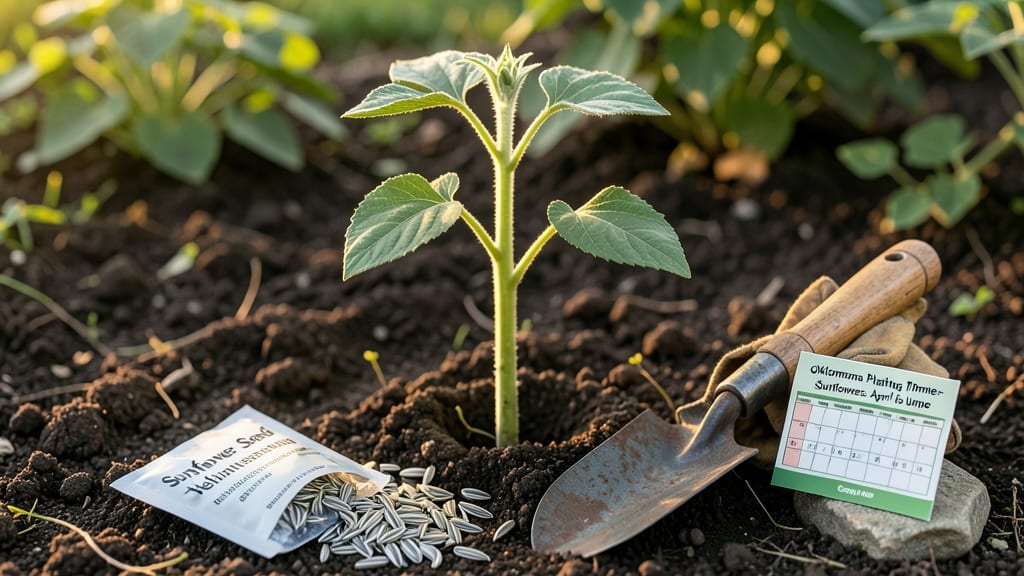
Planting sunflowers in Oklahoma after the last frost—typically by mid-April—sets you up for towering, heat-resistant blooms that thrive in USDA zones 6b-8a. The key isn’t just the timing; it’s choosing varieties like 'Moulin Rouge' or 'Russian Giant', which handle Oklahoma’s 90°F+ summers without wilting.
Skipping the frost-watch step can mean stunted growth or worse—sunflowers despise cold snaps. But once the soil warms (test it: 60°F+), you’re golden. Oklahoma’s 180-220 frost-free days give you plenty of time to grow sunflowers from 3-foot dwarf varieties to 16-foot giants, depending on your space and goals.
Here’s the game-changer: soil prep matters just as much as timing. Amend clay-heavy Oklahoma soil with compost to improve drainage, and space seeds 6 inches apart to avoid overcrowding. Water deeply once a week (more in July-August), and watch those 🌻 stalks shoot up like skyscrapers.
Ready to turn your Oklahoma garden into a pollinator paradise? Let’s break down the exact steps—from frost dates to harvest—to ensure your sunflowers outshine the competition.
Oklahoma sunflower planting timeline: frost dates and heat-tolerant varieties
Timing your sunflower planting in Oklahoma is all about beating the last frost while preparing for 90°F+ summers. The state’s USDA Zones 6b–8a mean frost dates vary dramatically—from late March in southern regions to early April in northern areas.
Planting too early risks frost damage, while waiting too long cuts your bloom season short. The sweet spot? Mid-April to early June after the last frost—when soil temps hit 55°F+.
For Oklahoma gardeners, heat-tolerant varieties are non-negotiable. Russian Giant and Autumn Beauty handle 100°F+ heat with ease, while Moulin Rouge delivers stunning red blooms even in drought conditions. These varieties thrive in Oklahoma’s intense sunlight and low humidity, making them perfect for pollinator-friendly gardens that attract bees and birds.
Oklahoma’s regional frost dates create a 3-week planting window across the state.
Northern regions like Enid (Zone 7a) can start as early as April 15, while southern areas like Tulsa (Zone 7b) have until May 1 before summer’s brutal heat sets in. Panhandle regions (Zone 7b–8a) can even stretch planting to early June for fall blooms.
Here’s your Oklahoma sunflower planting cheat sheet, broken down by region and heat-resistant varieties that perform best:
If you’re planting for early summer blooms, prioritize dwarf varieties like Teddy Bear (4–5 ft tall) or Moulin Rouge (5–6 ft). These thrive in Oklahoma’s heat and produce vibrant blooms in as little as 60 days.
For fall interest, sow Russian Giant seeds in early June—they’ll bloom just before first frost in November, providing late-season color for pollinators.
Pro tip: Pre-soak seeds for 24 hours before planting to speed up germination in Oklahoma’s dry soil.
Plant 1 inch deep and 6 inches apart for standard varieties, or 3 inches apart for dwarfs. Mulch heavily with straw or wood chips to retain moisture during 100°F+ heatwaves, which are common in July and August.
For extended blooms, try succession planting every 2 weeks from April to June.
This ensures a continuous display of sunflowers from July through October, even as Oklahoma’s summer heat intensifies. Autumn Beauty, in particular, delivers multi-colored blooms that transition from yellow to red as they mature—perfect for cut flowers or birdseed.
Remember: Oklahoma’s heat is your ally, not your enemy. Sunflowers are drought-tolerant once established, but they’ll reward you with bigger blooms if you water deeply (1–2 gallons per plant) every 5–7 days during peak summer.
Avoid overhead watering to prevent fungal diseases like powdery mildew, which thrives in high humidity—a rare but possible issue in Oklahoma’s wet springs.
With the right variety and planting timing
How to extend Oklahoma’s sunflower growing season for larger blooms
Oklahoma’s intense summer heat and dry spells can turn sunflowers into wilted shadows—but with the right tricks, you’ll grow bigger, brighter blooms that outshine the competition. The secret? Extending the growing season through smart soil prep, strategic watering, and protective mulching.
These techniques help your sunflowers thrive in 90°F+ temperatures while keeping pests at bay.
Start with well-draining soil (aim for pH 6.0–7.0) and loose, compost-rich beds to prevent root stress. Oklahoma’s clay-heavy soil can suffocate sunflower roots, so amend with organic matter like aged compost or coconut coir. This prep ensures your plants absorb nutrients efficiently and resist drought during peak summer months.
Once your sunflowers are established, mulching is non-negotiable in Oklahoma’s climate. Spread a 3-inch layer of straw or wood chips around the base of each plant to lock in moisture and regulate soil temperature.
This simple step can extend your growing season by 2–3 weeks, giving your sunflowers more time to bulk up before fall’s first frost.
Don’t overlook companion planting—it’s a game-changer for Oklahoma gardens. Pair sunflowers with marigolds (to repel pests) or basil (to improve flavor if you’re harvesting seeds).
Avoid planting near potatoes or tomatoes, which compete for nutrients and can stunt sunflower growth. Pollinators will thank you too—sunflowers paired with bee-friendly flowers create a thriving ecosystem.
For larger blooms, fertilize lightly but consistently with a balanced 10-10-10 formula every 4–6 weeks during the growing season. Over-fertilizing leads to leafy growth at the expense of flowers, so less is more.
Stop fertilizing by mid-August to let your sunflowers focus on seed development rather than new foliage.
With these techniques, your Oklahoma sunflowers will reach their full potential, standing tall and proud even in the harshest summer heat. The result? Massive, vibrant blooms that attract pollinators and make your garden the talk of the neighborhood. 🌻