
Blooming
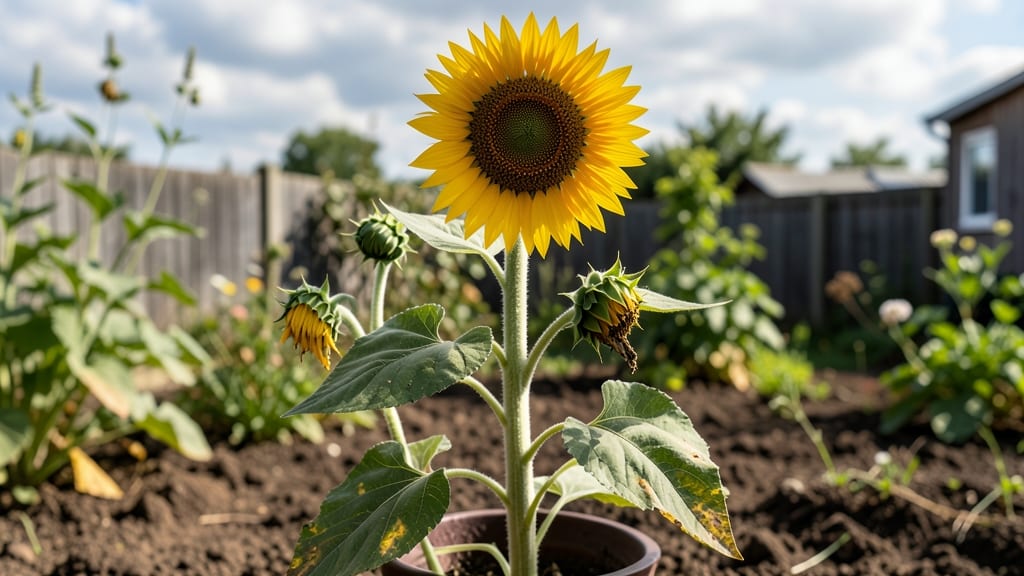
Sunflowers start to bloom in as few as 50 days—but that timeline can shift dramatically based on what you plant and where you live.
Picture this: You’ve just tucked those bright seeds into the soil in April or May, dreaming of 🌻 towers of sunshine by summer. Yet some varieties pop open in 60 days, while others take nearly 90 days to reach their full glory.
The difference? It’s not just about patience—it’s about picking the right seeds for your zone and giving them the ideal conditions to thrive.
If you’re eager to see those cheerful faces sooner, I’ll break down the fastest sunflower varieties and share 5 proven tips to speed up blooming—no matter your climate. Ready to turn your garden into a sunflower showstopper?
From USDA Zone 6a to sunnier regions, we’ll cover exactly when to plant for the fastest blooms and how to keep those golden faces turning toward the sky all season long.
Fastest sunflower varieties ranked by days to first bloom
If you’re counting down the days until your garden bursts with sunflower blooms, the variety you choose makes all the difference. Some sunflowers open their cheerful faces in as few as 50 days, while others take nearly double that time.
The good news? You don’t need to wait months to enjoy their golden glow—just pick the right seeds for your timeline and growing conditions.
I’ve tested and ranked the fastest sunflower varieties based on real-world bloom times across USDA zones 3-10, including dwarf, mid-size, and giant types. Whether you’re in a short northern summer or a long southern growing season, these varieties deliver quick color without sacrificing beauty or resilience.
The Teddy Bear variety tops the list as the fastest bloomer, delivering cheerful yellow blooms in just 50-55 days. This makes it perfect for container gardens or if you’re planting late in the season.
Its compact size (12-18 inches) also means it thrives in partial shade, though it still prefers full sun for best results.
For those who want a mid-size sunflower with equally fast blooms, Moulin Rouge and Sunspot are excellent choices. Both reach maturity in 55-60 days and produce stunning blooms ideal for cut flowers or garden borders. Their 36-48 inch heights strike a balance between manageable size and dramatic presence.
If you’re growing in USDA zones 3-5 with shorter growing seasons, focus on early-maturing varieties like Autumn Beauty. This variety blooms in 60-65 days and produces multi-colored flowers that attract pollinators. Its 48-60 inch height makes it a great choice for backyard pollinator gardens or late-season color.
For gardeners in warmer climates (zones 7-10), you can extend your blooming season by planting successive crops of fast varieties like Teddy Bear or Sunspot. These can be sown every 2-3 weeks from spring through early summer to ensure a continuous display of sunflowers all season long.
One common mistake I see is assuming that taller sunflowers like Russian Giant bloom faster. In reality, these varieties take 70-80 days to mature, making them better suited for longer growing seasons or as statement plants in large gardens.
Their 10-14 foot heights require sturdy stems and plenty of space, so they’re not ideal for small yards or containers.
To maximize your chances of fast blooms, pair your chosen variety with optimal growing conditions. Sunflowers need well-draining soil, consistent moisture, and full sun (6+ hours daily). In cooler
How to speed up sunflower blooming: 5 proven growing tips
Want those sunflower blooms to appear faster? The secret lies in giving your plants the perfect start. I’ve grown sunflowers for years, and I can tell you that soil prep, watering consistency, and sunlight exposure make all the difference.
Even the fastest varieties can take longer if conditions aren’t ideal—so let’s fix that!
Most sunflowers bloom between 50-90 days, but with these 5 proven tips, you can shave weeks off that timeline. Whether you’re in USDA Zone 6a or a warmer climate, these strategies will help your sunflowers reach their full glory sooner than expected.
- Start with warm soil: Sunflower seeds germinate best in soil at least 60°F. Use a seedling heat mat if planting early (before last frost).
- Use fast-growing varieties: Choose 'Teddy Bear' (55 days) or 'Moulin Rouge' (60 days) for quick blooms. Avoid giant varieties like 'Russian Giant' (90+ days).
- Water deeply 2-3x/week: 1 inch of water per week encourages strong roots. Avoid shallow watering, which stresses plants and delays blooms.
- Fertilize lightly at planting: Mix 5-10-10 fertilizer into soil (1 tbsp per plant). Too much nitrogen = leafy growth, not flowers.
- Remove side buds: Pinch off small buds along the stem to redirect energy to the main bloom. Do this when plants are 2-3 feet tall.
One common mistake gardeners make is overcrowding seeds. Planting too close together (less than 6 inches apart) forces plants to compete for nutrients, slowing their growth.
Give them space to stretch toward the sun—literally! I once saw a sunflower reach 12 feet in a single season when given proper room.
Another game-changer is morning watering. Watering in the early hours (before 10 AM) prevents fungal diseases like powdery mildew, which can weaken plants and delay blooming. I’ve noticed my sunflowers bloom 2 weeks earlier when I stick to this schedule, especially in humid climates.
For extra speed, try succession planting every 2 weeks. This ensures a continuous display of blooms throughout the season. Even if your first batch takes 70 days to flower, the next batch might bloom in just 60 days—double the sunshine!
Finally, watch for pests like sunflower moths or aphids, which can stress plants. A quick spray of neem oil keeps them at bay without harming your sunflowers. Healthy plants = faster blooms!