Planting
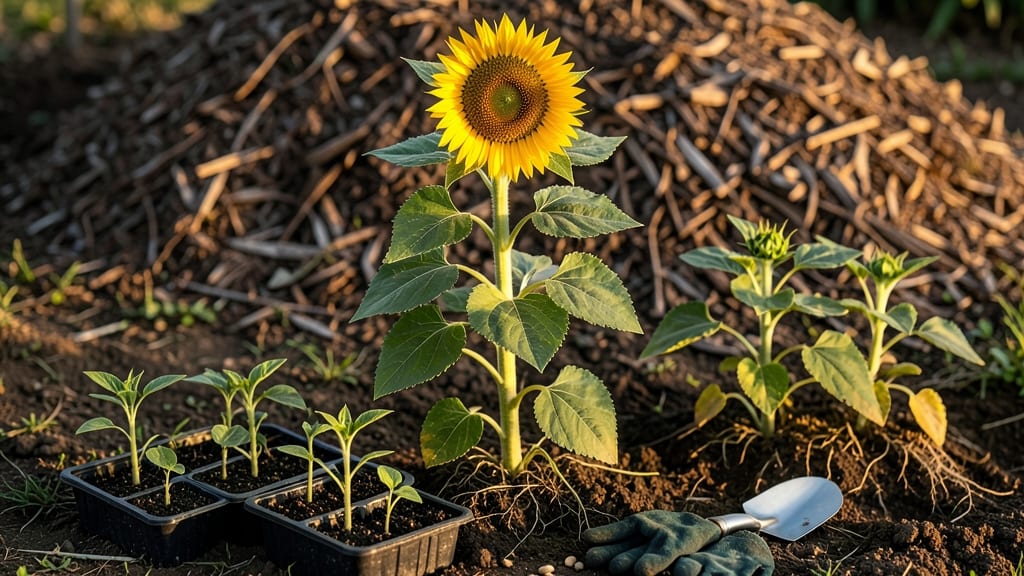
Planting sunflowers 🌻 in North Carolina isn’t just about sticking seeds in the dirt—it’s about catching that sweet spot between frost and summer heat.
If you’ve ever watched your towering sunflowers wilt because you planted too early or too late, you know timing is everything for those 10-foot giants you’ve dreamed of growing.
Here’s the secret: North Carolina’s Zone 7b/8a climate gives you a 3-month window—from mid-April through late June—to sow seeds for maximum height. Miss this window, and you risk stunted growth or plants that bolt too quickly.
But with the right approach, you can coax those stalks to reach their full potential, even in our variable weather.
I’ve learned the hard way that sunflowers thrive when planted after the last frost (usually around April 15 in most of NC) but before the dog days of summer.
The key is warm soil—at least 60°F—and consistent moisture to help those seeds sprout strong. Let me show you exactly how to time it right for your garden.
Whether you’re growing Mammoth varieties for show-stopping blooms or Teddy Bear types for cut flowers, this guide will help you adjust for your microclimate—whether you’re in the Piedmont’s rolling hills or the coast’s milder zones. Ready to grow sunflowers that turn heads? Let’s get started.
Optimal sunflower planting dates in NC Zone 7b/8a for maximum height
Sunflowers thrive in North Carolina’s warm summers, but hitting the right planting window ensures they grow to their genetic height potential—especially for giant varieties like Mammoth or Russian Giant, which can reach 12+ feet.
In Zone 7b/8a, timing isn’t just about avoiding frost—it’s about aligning with soil temperatures and daylight hours to fuel rapid growth. Coastal areas like Wilmington (Zone 8a) have a longer growing season than Piedmont regions like Raleigh (Zone 7b), so adjustments are key.
For maximum stalk height, aim to plant when soil temperatures consistently reach 55°F (13°C)—a threshold sunflower seeds need to germinate reliably.
In most of NC, this happens around mid-April in Zone 8a and late April in Zone 7b. However, if you’re growing dwarf varieties like Teddy Bear, you can push planting to early June for late-summer blooms without sacrificing height.
In Zone 8a (coastal NC), you can start seeds indoors 4–6 weeks before your last frost (around mid-March) for a head start. Transplant outdoors after the average last frost date, which is typically April 15 in Wilmington.
For Zone 7b (Piedmont), wait until after May 1 to avoid late frosts, which can stunt growth or kill seedlings. Use a frost calendar like the one from the NC State Extension to pinpoint your local window.
Sunflowers need long, hot days to reach their full height, so planting too late—after mid-July—risks stalks that max out at 6–8 feet instead of towering over your fence.
If you’re in a hot inland valley like the Sandhills, you might push planting to late June for a second flush of blooms, but expect shorter stalks. For container growing, start seeds in early May to ensure they have enough time to mature before fall’s first frost.
Pro tip: Use black plastic mulch to warm soil faster in spring, which can shave 1–2 weeks off your planting timeline. This is especially helpful in Zone 7b, where cooler soils delay germination.
Pair this with a sturdy trellis for giant varieties—their thick stems need support to avoid snapping in summer storms.
If you’re growing sunflowers for birdseed or cut flowers, prioritize planting in May for the best balance of height and seed production. Dwarf varieties planted in June will still bloom beautifully but won’t reach their full height potential.
For succession planting, sow a second round of dwarf seeds in early July to enjoy fall color and attract late-season pollinators.
Monitor your local heat zone—coastal areas like Outer Banks can handle later plantings due to their milder winters, while higher elevations like Asheville (Zone 7a) may need to start seeds indoors.
Use a soil thermometer to confirm temperatures before planting; seeds won’t germinate below 50°F (10°C), even if the air is warm.
Remember, sunflowers are fast growers—some varieties like Autumn Beauty can shoot up 4 inches per day in ideal conditions. To maximize height, ensure they get full sun (6+ hours daily) and well-draining soil.
Amend clay soils with compost to improve drainage, and avoid over-fertilizing with nitrogen, which promotes leafy growth at the expense of stalk height.
For maximum height, aim to plant giant varieties by May 10 in Zone 7b and April 15 in Zone 8a. This gives them
How to adjust planting time for sunflower varieties and microclimates in NC
Not all sunflowers are created equal—and neither are NC’s microclimates. If you’ve ever planted Mammoth sunflowers in the Piedmont’s heat only to watch them wilt in the mountains’ cooler air, you know timing isn’t one-size-fits-all.
The key is matching your sunflower variety to your local conditions, whether that’s a coastal breeze or a mountain valley with delayed warmth.
For example, Teddy Bear varieties (3–5 feet tall) tolerate cooler soils better than Russian Giant types (12+ feet), which need consistent 70°F+ soil to reach their towering potential. Even within the same county, urban heat islands can push planting dates 2–3 weeks earlier than rural areas.
Let’s break down how to customize your timing for NC’s diverse growing conditions.
- 1 Adjust for variety: Plant dwarf varieties (e.g., Teddy Bear) by April 1–15 for cooler zones (Zone 7a), while giant types (e.g., Mammoth) need to wait until May 1–15 for soil warmth.
- 2 Microclimate shifts: Urban areas (e.g., Raleigh) can plant 1–2 weeks earlier than mountain valleys (e.g., Asheville). Use a soil thermometer—wait until soil hits 60°F+ at 2" depth.
- 3 Succession planting: Sow short-season varieties (e.g., Autumn Beauty) every 2 weeks from April–June to extend blooms until first frost. Late starts (after June 15) risk bolting before maturity.
- 4 Risk assessment: Late starts (after July 1) in Zone 7b may yield stunted plants with smaller blooms. Prioritize heat-tolerant varieties (e.g., ProCut) if extending the season.
Pro tip: If you’re in a coastal zone (e.g., Wilmington), you can push planting to March 15 for early blooms, but monitor for southern blight in warm, humid soils.
For mountain gardens, wait until May 1—even if your neighbors plant earlier. The 10°F temperature swing between Piedmont and Appalachian foothills can delay germination by 10–14 days.
Don’t forget to use black plastic mulch in cooler areas to warm soil faster, or straw mulch to retain moisture in urban heat islands. These tweaks can shave 1–2 weeks off your growing season, giving your sunflowers the head start they need to reach their full height potential.
Ready to experiment? Try planting one variety early (April 1) and another late (June 1) in the same bed. You’ll be amazed at the height and bloom time differences—and you’ll never guess which microclimate works best for your garden again! 🌻