
Flowers
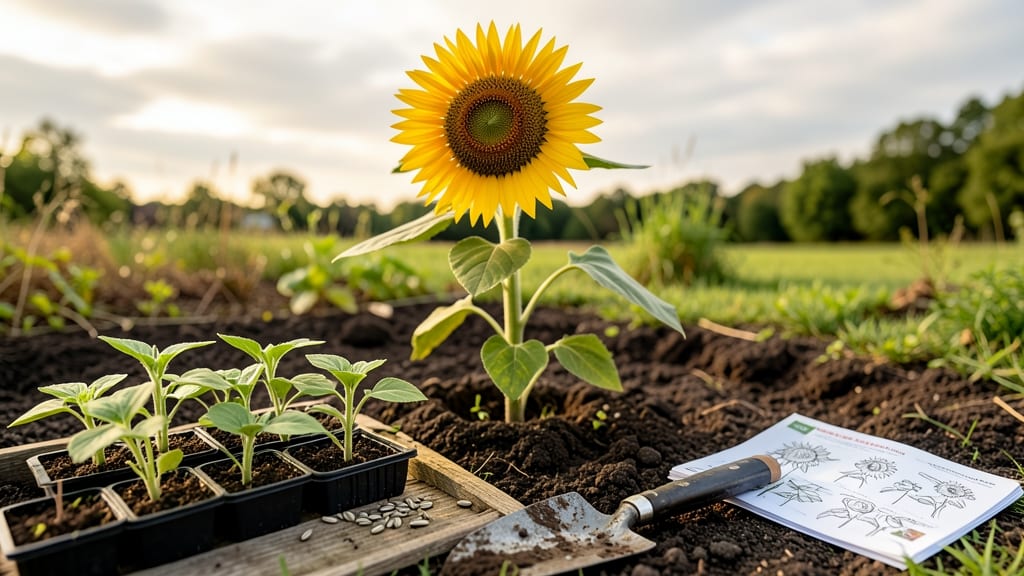
Planting sunflowers in Missouri at the wrong time could mean watching your 🌻 dreams wilt before they even bloom. The key to a bountiful harvest lies in knowing exactly when to get those seeds in the ground—especially in USDA Zones 5b and 6a, where frost dates shift like the wind.
Most gardeners in Missouri wait until after the last frost (usually around mid-April), but timing isn’t just about dates—it’s about soil temperature too. Sunflowers need warm earth to thrive, and rushing them can stunt their growth or attract pests. Let’s break down the perfect window for your Missouri garden.
Whether you’re growing towering giants for cut flowers or dwarf varieties for containers, understanding your local microclimate makes all the difference.
I’ll show you how to adjust planting dates based on your specific corner of the state—plus pro tips for soil prep and spacing that’ll have your sunflowers reaching for the sky.
Ready to turn your garden into a sunflower spectacle? Stick with me, and I’ll walk you through everything from seed selection to the first signs of those golden blooms peeking through the soil.
Optimal sunflower planting dates in Missouri by USDA Zone 5b/6a
Sunflowers thrive in Missouri’s sun-drenched summers, but getting their timing right means the difference between a 10-foot giant and a stunted sapling. In USDA Zone 5b, where frosts linger longer, your planting window narrows compared to Zone 6a.
Both zones share one critical rule: wait until soil warms to at least 55°F—cold soil slows germination and invites rot.
Missouri’s average last frost date hovers around mid-April, but don’t rush! Sunflowers are warm-season annuals that won’t tolerate chilly soils. For Zone 5b, aim for late April to early May; in Zone 6a, you can start as early as mid-April if your soil is ready.
Below, I’ll break down the exact windows for direct sowing versus transplanting seedlings.
Pro Tip: Test your soil with a soil thermometer—sunflowers won’t sprout until temps hit 55°F consistently. A frozen ground in March might feel “spring-like” above, but it’s a no-go for seeds.
| Zone | Last Frost Date | Ideal Planting Window | Soil Temp Requirement | Transplant Window |
|---|---|---|---|---|
| 5b (Northern MO) | April 15–25 | Late April–early June | 55°F+ (consistent) | May 1–15 (seedlings) |
| 6a (Central/Southern MO) | April 5–15 | Mid-April–late June | 55°F+ (consistent) | April 20–May 30 (seedlings) |
| Both Zones | N/A | July (dwarf varieties) | 55°F+ (for late blooms) | Not recommended |
🌱 Note: Adjust dates 1–2 weeks earlier for urban heat islands or microclimates.
For direct sowing, drop seeds 1 inch deep and 12–24 inches apart (closer for dwarf varieties). In Zone 5b, hold off until late April—earlier plantings risk frost damage. Zone 6a gardeners can start as early as mid-April, but monitor nighttime temps; sunflowers wilt at 32°F.
Transplanting seedlings gives you a 2-week head start. Start seeds indoors under grow lights 4–6 weeks before your last frost, then harden them off before moving outdoors. Seedlings need 6+ hours of sun daily to avoid legginess—place them near your south-facing window or under LED grow lights.
Missouri’s microclimates can shift planting dates by weeks. Urban areas like Kansas City (Zone 6a) often warm up faster than rural Columbia (Zone 5b). Use a local frost calendar (like the Missouri Climate Center’s) and adjust your timeline by 7–10 days if your yard runs hotter or colder than average.
If you’re growing giant sunflowers (like Mammoth or Russian Giant), prioritize the earliest planting window—these varieties need 100–120 days to mature. Dwarf sunflowers (Teddy Bear or Autumn Beauty) tolerate later plantings; you can even sow them in early July for fall blooms.
After planting, keep soil consistently moist (not soggy) until seeds sprout. Sunflowers hate competition, so remove weeds and mulch with straw to retain moisture. Within 7–10 days, you’ll see those first golden leaves pushing through the soil—proof you timed it just right!
Missouri’s first frost typically arrives in mid-October, but sunflowers are tough. Most varieties survive light frosts, though flower heads may brown prematurely. For extended harvests, choose early-maturing varieties (like Autumn Beauty) or use row covers to shield seedlings from late frosts.
Remember: Sunflowers are forgiving but not magical. Plant too early, and frost will nip them; too late, and they’ll bolt before blooming. Stick to these frost-free timelines, and you’ll be rewarded with sun-drenched stalks that’ll have your neighbors reaching for their cameras.
How to adjust sunflower planting for Missouri’s microclimates
Missouri’s diverse microclimates can make sunflower planting tricky—what works in St. Louis might fail in Kansas City or the Ozarks. Urban heat islands, elevation changes, and even nearby water bodies create pockets of warmth or chill that shift your ideal planting window.
I’ve grown sunflowers across Missouri’s regions, and I’ve learned these microclimate adjustments save harvests every year.
Start by checking your local frost dates—they can vary by 1-2 weeks just 20 miles apart. For example, Southeast Missouri (Zone 6b) often sees frost-free soil by mid-April, while Northwest Missouri (Zone 5b) may wait until late April.
Use these adjustments to fine-tune your schedule based on where you live.
- Plant 2 weeks earlier in urban areas (like St. Louis) due to heat island effect.
- Delay planting by 1 week in higher elevations (e.g., Ozarks) where nights stay cooler.
- Use row covers in Zone 5b to plant 3 weeks earlier and extend the season.
- Choose dwarf varieties (like 'Teddy Bear') for shadier microclimates (e.g., near trees).
- Plant late June for a fall harvest in southern Missouri (Zone 6b) to avoid early frost.
If you’re in a cooler microclimate, like the northern Ozarks, consider using cold frames or black plastic mulch to warm the soil faster. I’ve seen gardeners in Zone 5b plant sunflowers as early as late March under these conditions—just cover the seeds until soil reaches 55°F.
For urban gardeners, the extra heat from pavement and buildings can push your planting window 2 weeks earlier than rural areas.
Don’t overlook wind exposure either—sunflowers in open fields may need staking, while those in sheltered spots (like near fences) grow straighter. I once grew 12-foot sunflowers in my Kansas City backyard by planting near a windbreak hedge.
For container growing, choose dwarf varieties and place pots in south-facing spots to maximize sunlight.
Pro tip: Test your soil temperature with a soil thermometer before planting—sunflowers need 55°F+ soil to germinate. In cooler microclimates, wait until early May to avoid poor germination. If you’re unsure, opt for fast-growing varieties like 'Moulin Rouge', which tolerates cooler soils better than 'Russian Giant'.
Finally, remember that late summer varieties can be planted in July for a fall harvest, especially in southern Missouri. Just space them 12 inches apart and watch them bloom just in time for October festivals.
With these microclimate tweaks, your sunflowers will shine brighter than ever—no matter where you garden in Missouri! 🌻