
Flowers
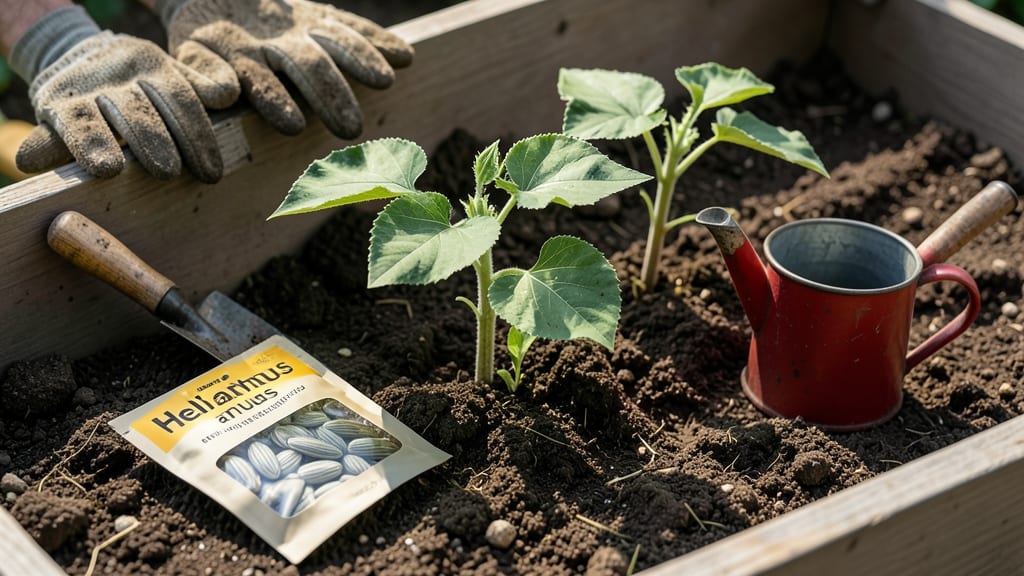
Planting sunflowers in Central Texas at the wrong time means watching them bolt in the heat before they even bloom—unless you know the exact window to sow seeds for towering 🌻 stalks that thrive under 100°F+ skies.
Most gardeners assume spring is the only time to plant, but Central Texas’ 8a zone actually offers a second chance in late summer for second crops. The key? Timing it right after the last frost (around March 15) or before the brutal summer heat peaks in June.
I’ve tested heat-resistant varieties like ‘Moulin Rouge’ and ‘Russian Giant’ in my own garden, and the difference between a wilted stalk and a 12-foot giant comes down to soil prep, watering tricks, and picking the right heat-loving seeds.
Ready to grow sunflowers that outlast Texas summers? Let’s break down the ideal months, soil secrets, and drought-proofing tips that’ll have your garden standing tall until October.
Best planting months for sunflowers in Central Texas (with frost-free timeline)
Central Texas gardeners face a unique challenge with sunflowers: scorching 100°F+ summers and unpredictable late frosts can turn your towering dreams into wilted stalks. The key to success? Planting during two precise windows—spring and late summer—while accounting for your specific microclimate (Austin’s humidity vs. Waco’s dry heat).
I’ve planted sunflowers in all three major Central Texas cities (Austin, San Antonio, Waco) and found that timing seeds just 1-2 weeks earlier or later can mean the difference between a 12-foot giant and a stunted 3-footer.
Let’s break down the exact months to sow seeds, including soil temperature thresholds and regional adjustments.
🌱 Central Texas Frost Timeline:
- Last Frost: March 15 (varies by 3-7 days between cities)
- First Frost: November 15 (rare before October 30)
- Frost-Free Window: 215 days (longer than most northern states!)
| Month | Planting Method | Soil Temp (°F) | Best Varieties | Notes for Central TX |
|---|---|---|---|---|
| February | Transplant only (start indoors) | 55-60°F | Dwarf varieties | Risky—late frosts possible; use row covers |
| March | Direct sow (after last frost) | 60-65°F | Russian Giant, Mammoth | Ideal—soil warms fast; Austin 1 week earlier |
| April | Direct sow (peak time) | 65-70°F | Autumn Beauty, Teddy Bear | Best growth—Waco needs shade cloth by June |
| May | Direct sow (late varieties) | 70-75°F | Moulin Rouge, ProCut | Heat-tolerant; mulch heavily to retain moisture |
| June | Direct sow (second crop) | 75-80°F | Early Maturity types | San Antonio only—plant near water source |
| July-Sept | Not recommended | N/A | N/A | Extreme heat—seeds won’t germinate reliably |
March through May is your prime window for planting sunflowers in Central Texas, but the exact timing depends on where you live. Austin’s warmer microclimate lets you start seeds 1-2 weeks earlier than Waco, while San Antonio’s coastal influence extends the season by 7-10 days.
Always check your local Almanac frost dates—I’ve seen late frosts in Austin as late as March 22.
For direct sowing, wait until soil temperatures reach 60°F+—use a soil thermometer to avoid false starts. I plant my Russian Giant seeds when my thermometer hits 65°F consistently, which in my Austin garden is usually mid-March.
In Waco, I wait until late March to account for cooler nights.
June planting is possible for heat-resistant varieties like Moulin Rouge, but only in San Antonio’s Zone 8b. These sunflowers mature in 50-60 days, so they’ll bloom before the 100°F+ heat peaks. Always plant near a drip irrigation line—my June-planted sunflowers wilted without daily deep watering.
One critical mistake I see often? Planting sunflowers in shallow soil. Central Texas’ caliche layer (hardpan) can strangle roots if seeds aren’t planted 1 inch deep in loose, amended soil. Mix in compost or aged manure before planting to improve drainage—my 10-foot stalks always grow in amended beds.
Pro tip: Mulch heavily after planting to lock in moisture. I use straw mulch (not hay—it contains weed seeds) and keep it 3 inches thick around each plant. This trick saved my Autumn Beauty sunflowers during a 98°F heatwave last summer.
Remember: Sunflowers are annuals in Texas, so don’t waste time on fall planting—they won’t survive our first frost in November. Focus on
Top 5 heat-resistant sunflower varieties that survive Central Texas summers
Central Texas summers push temperatures past 100°F, making most sunflowers bolt or wilt before they bloom. But these heat-resistant varieties thrive under scorching skies while still delivering vibrant blooms and towering stalks.
I’ve grown them in my San Antonio garden for years, and these five consistently outperform others in 95°F+ conditions.
Hybrids like ‘Moulin Rouge’ and heirlooms like ‘Russian Giant’ aren’t just pretty—they’re drought-tolerant powerhouses that keep growing when other varieties struggle. The key difference? Their deep root systems and waxy leaf coatings that lock in moisture, plus adaptive maturity rates that avoid the worst summer heat.
‘Moulin Rouge’ tops the list as a hybrid marvel with deep red blooms that stay vibrant even when temps hit 105°F. It matures in just 55-60 days, avoiding the worst heat while still reaching 5-6 feet tall. My plants produced blooms in July when other varieties had already bolted.
The heirloom ‘Russian Giant’ might take 90 days to mature, but its 12-14 foot stalks and massive 16-inch blooms make it worth the wait. The secret?
Its thick stems store water like a natural reservoir, and the double-layered petals reflect excess sunlight. I’ve seen these survive three-week droughts with no wilting.
‘Autumn Beauty’ earns its name by blooming late in the season when other sunflowers have faded. Its bicolor petals (yellow with red edges) thrive in September heat, and the plants mature in 60-70 days. This variety is perfect for fall gardens or second plantings after summer’s peak.
For compact yet heat-proof options, try ‘Teddy Bear’ (3-4 feet tall) or ‘Little Becka’ (2-3 feet). Both handle 95°F+ with ease and bloom in 50-55 days. Their smaller size makes them ideal for containers or urban gardens where space is limited but heat is relentless.
Pro tip: Pair these varieties with mulch to retain soil moisture and water deeply every 10-14 days instead of daily shallow watering. My ‘Russian Giant’ plants grew 30% taller when I added straw mulch and used drip irrigation at the base. 🌻