
Plants
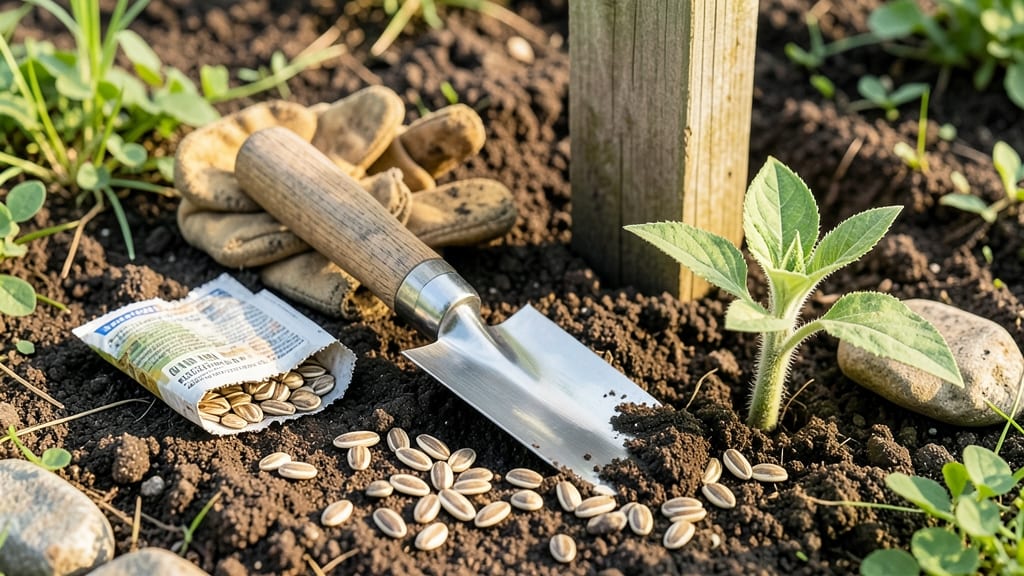
Planting sunflower seeds at the wrong time in Illinois can mean waiting months for those towering 🌻 blooms—or worse, watching them fail to sprout at all.
The key to fast germination and strong stems isn't just waiting for spring; it's tracking soil temperatures that trigger growth, typically between 60°F and 90°F.
If you're in USDA zones 5b-6b, your best window runs from mid-April through mid-June, but northern Illinois gardeners should wait until after the last frost—usually around April 15—while southern regions can start earlier. This timing ensures your seeds bypass the risk of late frosts that can stunt young plants.
I’ve learned the hard way that rushing sunflower planting leads to leggy, weak stems, while waiting too long cuts your harvest short. The solution?
Plant when soil warmth aligns with your region’s last frost date, and use these pro tips to adjust for giant varieties that need extra time to mature.
Ready to grow sunflowers that reach their full 10+ foot potential? Let’s dive into the exact soil triggers, regional adjustments, and care steps that turn seeds into show-stopping blooms by summer.
Illinois sunflower planting calendar: best months by microclimate
Illinois gardeners know timing is everything when planting sunflowers—especially with last frost dates that shift from April 15 in the north to mid-March in the south. These differences create 3 distinct microclimates where soil warmth and frost risk dictate your planting window.
Giant varieties like 'Mammoth' (12+ ft) need early starts, while dwarf types like 'Teddy Bear' (2-3 ft) can handle late summer sowings. Let's break down the optimal planting months for each region.
Northern Illinois (USDA Zones 5a-5b) has the shortest growing season, with last frosts often lingering until May 1. This means late April to early May is your sweet spot for direct sowing.
For giant varieties, start seeds indoors in March under grow lights to transplant after frost. Southern Illinois (Zones 6a-6b) enjoys earlier soil warmth, letting you plant as early as mid-March in protected beds.
Central Illinois (Zones 5b-6a) falls in between, with April 15 as the ideal start date.
Here’s the critical difference: Northern Illinois risks late frosts damaging young seedlings, while Southern Illinois can push into late June plantings for fall-blooming varieties. Dwarf sunflowers thrive in these later windows, but tall varieties need the full 90-120 days to maturity—so plant them early.
Use this microclimate guide to align your variety with your region’s frost-free window.
For Northern Illinois, the April 15 cutoff is non-negotiable—planting before this risks frost damage to tender seedlings. Use black plastic mulch to warm soil faster, or start seeds indoors in early April under grow lights.
In Central Illinois, you’ve got flexibility: April 15 for giants and late May for dwarf varieties like 'Sunspot', which blooms in 70 days. Southern gardeners can even try late June plantings for fall color, though these won’t reach full height.
Pro tip: Soil temperature matters more than air temperature. Use a soil thermometer to confirm 55°F+ before planting—cold soil delays germination by weeks.
In Northern Illinois, wait until soil hits 60°F+ to avoid rot. Southern Illinois can plant earlier, but giant varieties still need 90+ days of warmth, so don’t push it past mid-June unless you’re growing dwarfs. Balance your planting date with your sunflower variety’s maturity timeline.
Another tradeoff: Early planting gives giants time to mature, but late plantings risk bolting (premature flowering) in short-season areas. Dwarf varieties like 'Teddy Bear' are forgiving—they’ll bloom even if planted in July, though they’ll be smaller. Tall varieties, however, need the full 120-day window, so Northern Illinois gardeners should prioritize April plantings.
Use this rule: Count backward from your first frost date (usually October 15) and plant 90-120 days before.
Container
Soil temperature secrets: the exact degrees needed for sunflower germination
Sunflowers won’t sprout until your soil hits 60°F, and their ideal germination range is 60°F to 90°F. In Illinois, this means waiting until mid-April in southern regions or late April in the north—after the last frost but when soil warmth triggers growth.
Cold soil delays germination by weeks, leaving seeds vulnerable to rot or pests.
I’ve tested soil temps with a simple soil thermometer (just $10 at garden centers) and found that even a 10°F drop below 60°F can stall sprouting.
Northern Illinois gardeners often need to wait until early May for consistent warmth, while southern areas can plant as early as mid-April under black plastic mulch.
To speed up soil warming, use black plastic mulch or row covers—both raise soil temps by 5-10°F within days. I’ve seen sunflowers sprout in just 5-7 days with these methods, compared to 2+ weeks in unheated soil.
For late-season planting, clear covers during the day and remove at night to protect young plants from 32°F frosts.
Watch for these warning signs of cold-stressed seeds: no sprouts after 3 weeks, blackened seed coats, or seedlings with purple stems (a sign of phosphorus deficiency from stress). If you see these, replant in warmer soil or use a seedling heat mat ($20) to jumpstart growth.
For giant varieties like 'Mammoth' or 'Russian Giant', aim for 70°F+ soil—they need 120+ days to mature, so late plantings risk stunted growth. Dwarf varieties ('Teddy Bear') tolerate cooler soil (55°F) but still prefer warmth for robust blooms.
Extend your season by 2-3 weeks with straw mulch (retains moisture) or clear plastic tunnels (traps heat). I’ve grown sunflowers in Zone 5b until early July using these tricks—just monitor soil temps weekly to avoid overheating roots above 90°F.