
Flowers
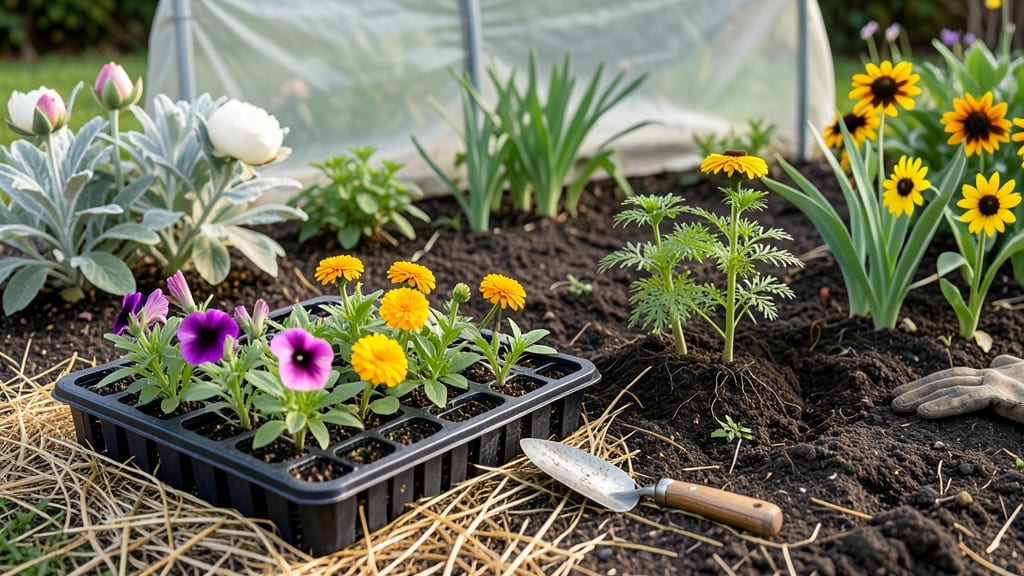
Timing your flower planting in Zone 6 can make or break your garden's success—getting those 🌱 flowers in the ground at the right moment means the difference between vibrant blooms and frost-killed disappointment.
If you’ve ever wondered why some gardeners seem to have perfect timing while others struggle, it’s all about understanding your local frost dates. Zone 6 gardeners have a narrow window of opportunity, especially for cool-season flowers like pansies or hardy perennials.
Missing this window by even a few weeks can leave your garden looking sparse or struggling to recover.
In this guide, I’ll break down the exact weeks before your last frost that work best for planting annuals, perennials, and bulbs—so you can plant with confidence. Whether you’re in the Midwest, Northeast, or Appalachian region, these insights will help you avoid common mistakes and maximize your garden’s potential.
Ready to transform your garden? Let’s dive into the perfect planting schedule for Zone 6, so you can enjoy a burst of color from spring through fall without the guesswork.
Zone 6 last frost dates by region: exact weeks to plant annual & perennial flowers
Getting your flowers in the ground at the right time in Zone 6 means the difference between a garden bursting with color and one that never gets started. The last frost date varies dramatically across this zone—from Midwest flatlands to Appalachian valleys—so knowing your exact planting window is critical.
Whether you're sowing cool-season pansies or heat-loving marigolds, timing is everything.
Zone 6 spans 6a (0°F to -10°F) and 6b (-10°F to -20°F), with frost dates that shift by 2-4 weeks between regions. For example, Chicago (6b) typically sees its last frost around April 15, while Asheville, NC (6a) might wait until May 1.
These differences matter because warm-season flowers like impatiens need soil to warm to 60°F+, while cool-season blooms like snapdragons can handle 40°F soil.
Here’s the summary table breaking down weeks before last frost for planting annuals and perennials in key Zone 6 regions, plus USDA 6a/b variations:
| Region | USDA Zone | Avg. Last Frost Date | Cool-Season Flowers (Weeks Before Frost) | Warm-Season Flowers (Weeks Before Frost) | Key Examples |
|---|---|---|---|---|---|
| Midwest (Chicago, IL) | 6b | April 15 | 6-8 weeks (Feb 15 - Mar 15) | 2-4 weeks (Mar 25 - Apr 15) | Pansies, Sweet Alyssum, Marigolds |
| Northeast (Philadelphia, PA) | 6a | April 20 | 6-7 weeks (Feb 25 - Mar 20) | 3-4 weeks (Mar 30 - Apr 15) | Violas, Snapdragons, Petunias |
| Appalachia (Asheville, NC) | 6a | May 1 | 8-10 weeks (Mar 1 - Mar 25) | 4-5 weeks (Mar 25 - Apr 10) | Lobelia, Calendula, Zinnias |
| Great Lakes (Detroit, MI) | 6a | April 25 | 6-7 weeks (Feb 25 - Mar 20) | 2-3 weeks (Apr 5 - Apr 20) | Dianthus, Stock, Geraniums |
| Southeast (Atlanta, GA) | 6b | March 20 | 4-5 weeks (Feb 15 - Mar 1) | 1-2 weeks (Mar 10 - Mar 20) | Cosmos, Sunflowers, Nasturtiums |
For cool-season flowers, aim to plant 6-10 weeks before your last frost—this gives seedlings time to establish roots before spring warmth triggers rapid growth. Pansies and snapdragons can even handle light frosts, so don’t wait until the last minute.
In Zone 6a areas like Asheville, start pansy seeds indoors by February 1 for outdoor planting by March 15.
Warm-season flowers like marigolds and zinnias need to wait until soil temperatures hit 60°F+, which typically means 2-5 weeks before last frost. In Chicago (6b), that’s usually mid-April, while Atlanta (6b) can start as early as mid-March.
Use a soil thermometer to confirm—planting too early in cold soil can stunt growth or invite damping-off disease.
Perennials like coneflowers and black-eyed Susans can handle Zone 6 winters, but their first-year growth depends on early planting. Sow seeds 4-6 weeks before last frost for strong root establishment before summer heat arrives.
Divide established perennials in early spring (March-April) or early fall (September) to avoid stress from extreme temperatures.
Pro tip: Use row covers or cold frames to extend your planting window by 2-4 weeks in early spring or late fall. For example, marigolds planted under cover in late March (instead of waiting for April) can still thrive if protected from hard frosts.
Just remove covers when nighttime temps stay above 40°F.
Remember, microclimates matter! A south-facing slope warms up faster than a north-facing valley, so adjust your timeline accordingly. Always check your local Almanac’s frost predictions—they’re updated annually and account for climate shifts.
With these exact weeks as your guide, your Zone 6 flower garden will bloom like never before!
🌱
Best flowers to plant in Zone 6 by season: frost-resistant vs. heat-loving varieties
Zone 6 gardeners have a unique challenge: balancing frost-resistant flowers that survive early springs with heat-loving varieties that thrive through summer. The key is selecting flowers that match your planting window—whether you're sowing seeds in cool spring soil or transplanting after the last frost date.
For spring planting, focus on frost-tolerant annuals like sweet alyssum and pansies, which can handle light frosts down to 20°F. These cool-season flowers bloom early and provide color before summer heat arrives.
Meanwhile, summer-blooming perennials like coneflowers and black-eyed Susans need to be planted after the last frost date—typically by mid-May in most Zone 6 regions.
Here’s the pros and cons of planting flowers in Zone 6 by season to help you choose wisely:
Spring Planting
Summer Planting
- Early blooms before summer heat
- Hardy annuals survive light frosts
- Less competition for nutrients
- Risk of late frosts damaging seedlings
- Limited heat-tolerant options
- Full sun for heat-loving flowers
- Longer bloom season for perennials
- Less frost risk after mid-May
- Requires well-draining soil for heat
- More watering needed during droughts
For fall planting, focus on bulbs like tulips and cool-season annuals like snapdragons, which thrive when planted 6-8 weeks before first frost. These flowers establish roots in mild fall weather and bloom early next spring.
In contrast, summer-blooming annuals like zinnias or marigolds should be sown directly in late spring or started indoors for a July-to-frost display.
My top frost-resistant picks for Zone 6 include sweet alyssum, pansies, and calendula, all of which tolerate 25°F temperatures and add early-season color. For heat-loving varieties, prioritize lantana, salvia, and sunflowers, which thrive in 80°F+ temperatures and attract pollinators all summer long.
Pro tip: Use mulch to protect spring-planted flowers from temperature swings, and always check your local last frost date—it can vary by 2-3 weeks even within Zone 6. With the right timing, you can enjoy nonstop blooms from March through October! 🌷