
Flowers
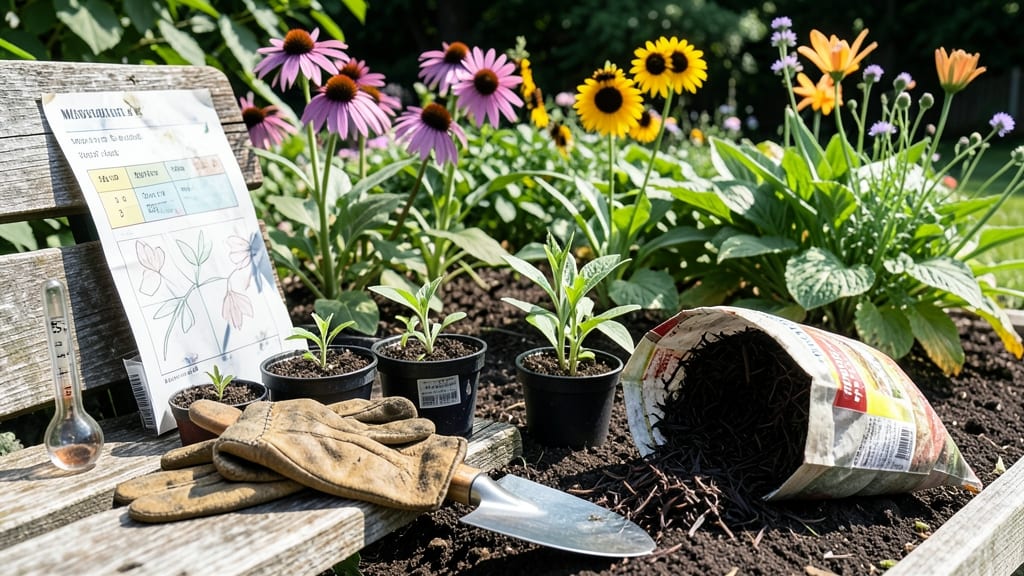
Timing your flowers (General) planting in Wisconsin can mean the difference between a vibrant, blooming garden and a sad, frost-nipped disappointment. With last frost dates shifting from mid-April in Milwaukee to late May in the Northwoods, getting the timing right is everything.
I’ve learned the hard way—planting too early in the Driftless Region or waiting too long near Lake Michigan can leave your garden looking half-hearted. The key is understanding your microclimate, whether you’re in USDA Zone 4a or 6b, and choosing flowers that thrive in Wisconsin’s 140-180 frost-free days.
In this guide, I’ll break down the exact months to plant annuals, perennials, and bulbs so you can start seeds indoors or direct-sow with confidence.
From cold-hardy 🌸 varieties in April to heat-loving blooms in May, you’ll know precisely when to get your flowers in the ground for a showstopping season.
Ready to avoid frost damage and maximize your garden’s potential? Let’s dive into the best planting windows for Wisconsin’s diverse regions—so you can enjoy blooms from June through October without the guesswork.
Wisconsin’s frost-free dates by region: when to plant flowers safely
Wisconsin’s last frost dates vary dramatically across its five distinct microclimates, making it critical to match your planting schedule to your specific region.
Whether you’re in the cool Northern forests or the warmer Lake Michigan shoreline, timing your flowers correctly means the difference between a thriving garden and a frost-killed disaster. The key? Understanding your USDA hardiness zone and local frost patterns.
For most of Wisconsin, annual flowers like marigolds and petunias should wait until after the average last frost date, while perennial flowers like coneflowers and black-eyed Susans can often handle a light frost.
But here’s the catch: the Driftless Region (SW Wisconsin) can have late frosts well into May, while Milwaukee’s Lake Michigan effect creates a microclimate that warms up faster than inland areas.
To simplify, I’ve broken down Wisconsin’s frost-free windows by region, including adjusted planting dates for both annuals and perennials. Use this as your guide to avoid the heartbreak of frost-nipped blooms.
| Region | USDA Zone | Avg Last Frost | Safe Planting Window | Frost Risk Notes |
|---|---|---|---|---|
| Northern (Duluth, Green Bay) | 4a-5a | May 10-20 | May 25 - June 5 | Late frosts common; wait for soil to warm |
| Central (Madison, Milwaukee) | 5a-5b | April 20-30 | May 5 - May 15 | Lake effect warms Milwaukee faster than inland |
| Southern (Janesville, Racine) | 5b-6a | April 10-20 | April 25 - May 10 | Earliest frost-free zone; great for heat-loving annuals |
| Lake Michigan (Sheboygan, Kenosha) | 5b-6a | April 15-25 | May 1 - May 10 | Warmer microclimate; plant 1-2 weeks earlier |
| Driftless (La Crosse, Eau Claire) | 5a-5b | May 5-15 | May 20 - June 1 | Late frosts possible; use row covers for early plants |
If you’re planting perennial flowers like daylilies or peonies, you can push the envelope slightly—these hardy plants often survive light frosts. But for tender annuals like geraniums or impatiens, wait until the soil temperature hits at least 50°F and nighttime temps stay above 40°F.
Pro tip: Use a soil thermometer to track warmth—it’s more reliable than guessing!
For fall planting (think pansies or snapdragons), aim for September 1-15 in most regions, giving flowers time to establish before winter. In the Northern zone, wait until September 15-30 to avoid early frosts. Always check your local Cooperative Extension Service for year-to-year variations—Wisconsin’s weather can shift dramatically!
One common mistake? Planting warm-season flowers like zinnias or sunflowers too early in cooler zones. These need consistent warmth to thrive. Instead, start them indoors 6-8 weeks before your region’s last frost date, then transplant after the danger has passed.
For cool-season flowers like pansies or sweet alyssum, you can even plant them in early spring or late summer for extended blooms.
Remember: Microclimates matter. A yard near a large body of water or south-facing slope may warm up faster than the official frost date suggests.
Test your spot by placing a frost-sensitive plant (like coleus) in a pot and monitoring its survival—this gives you real-time data for your garden’s unique conditions.
Finally, don’t forget about first frost dates, which typically arrive between October 5 (Northern WI) and October 20 (Southern WI). Use this to plan your fall-blooming perennials and bulb replacements for next season.
With these regional guidelines, you’ll be well on your way to a frost-free, flower-filled Wisconsin garden!
Best flowers to plant by Wisconsin season: cool vs. warm-loving varieties
Wisconsin’s cool spring and warm summer create the perfect stage for two distinct types of flowers. Cool-loving varieties thrive in early spring’s chill, while warm-season blooms take center stage once temperatures rise.
I’ve planted both in my Madison garden (Zone 5a) and learned which varieties truly shine in Wisconsin’s 140-180 frost-free days.
For early spring (March-April), focus on hardy perennials and biennials that tolerate 30-40°F nights. These include violas, lungwort, and crocuses, which often bloom before lawns even green up.
In my garden, violas planted in September often surprise me with February blooms—a welcome splash of color after winter’s gray.
- 🌱 Early Spring (March-April): Plant cold-hardy perennials like violas, lungwort, and crocuses (Zone 3-5). Start pansies indoors in February for April blooms.
- ☀️ Late Spring (May): Transition to heat-tolerant annuals like zinnias, marigolds, and sunflowers. Wait until soil reaches 50°F and nights stay above 40°F.
- 🌿 Summer (June-August): Replace spent spring bulbs with dahlias or canterbury bells. Deadhead perennials like coneflowers to extend blooming.
- 🍂 Fall (September): Plant frost-resistant perennials like sedum, asters, and Russian sage. These handle light frosts and often bloom into October.
My late spring (May) planting strategy focuses on warm-season annuals that need consistent warmth to thrive. Zinnias and marigolds are my go-tos—they tolerate Wisconsin’s humidity and deer pressure better than fussy varieties.
I direct-sow these after the last frost, usually around May 15 in Madison, and they reward me with non-stop blooms until frost.
For summer, I replace spent tulips with dahlias or black-eyed susans. These perennials thrive in Wisconsin’s heat and drought-like spells. A pro tip: Deadhead spent blooms weekly to encourage more flowers. In my partial-shade garden, canterbury bells self-seed reliably, giving me free blooms for years.
Don’t overlook fall planting! Sedum and asters planted in September often bloom until first frost. These frost-tolerant perennials also establish roots before winter, giving them a head start in spring. In Zone 4a areas, I cover them with mulch to protect from early freezes.
To maximize your Wisconsin garden, match each season’s temperature and light conditions with the right flowers. Start with cool-loving varieties in spring, transition to heat-tolerant annuals in summer, and finish with frost-resistant perennials in fall.
With this approach, you’ll enjoy continuous color from March through October—no frost-related disappointments here! 🌷