
Flowers
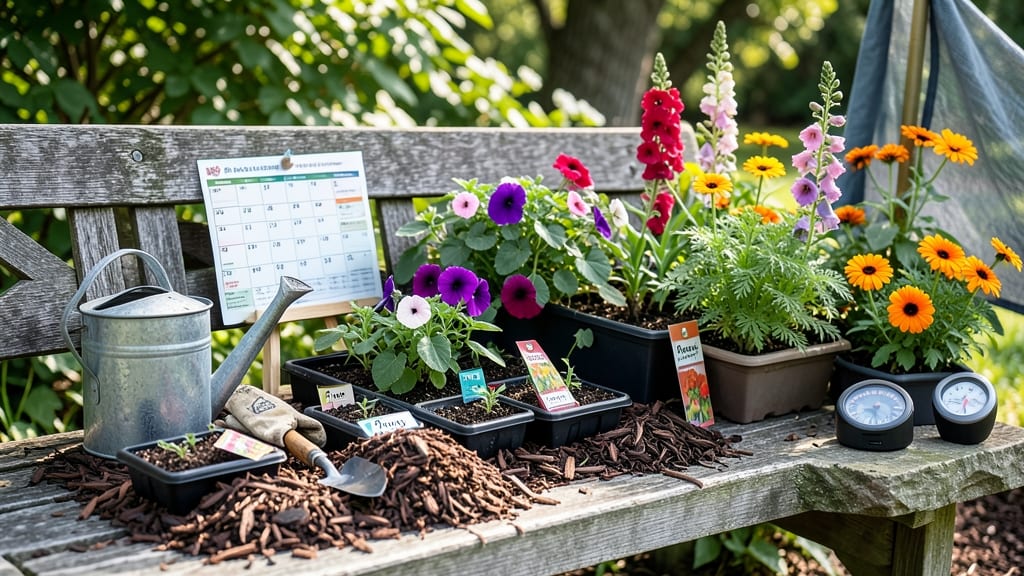
Timing your flower planting in Washington State isn't just about following a calendar—it's about mastering the art of working with the Pacific Northwest's unpredictable climate.
Whether you're in the rainy Puget Sound or the drier Eastern WA, getting those bulbs and seedlings in the ground at the right moment can mean the difference between a vibrant summer garden and a season of disappointment.
Most gardeners know spring is the prime window for planting flowers, but Washington's USDA Zones 4-8 create dramatic variations in when to start.
In the cooler coastal areas like Seattle, you might plant annuals as early as March, while inland regions like Spokane often wait until April or May to avoid late frosts. Even perennials like lavender and rhododendrons have their own ideal planting windows that align with local microclimates.
What makes Washington unique is how quickly conditions can shift—one week might feel like spring, while the next brings frost. I'll show you exactly when to plant your favorite flowers in each region, plus how to read the signs when Mother Nature throws you a curveball.
With these insights, you'll transform your garden from a gamble into a guaranteed showstopper.
From daffodils that brave early springs to sun-loving perennials that thrive in Eastern WA's longer summers, we'll cover the best months for every type of flower. Let's get those 🌱 blooms growing on schedule—and keep them coming all season long.
Best flower planting months in Washington State by USDA Hardiness Zone
Washington State spans USDA Hardiness Zones 4 through 8, creating distinct planting windows for your flowers. In Zone 4 (northern mountains), late frosts linger until May 15, while Zone 8 (southern valleys) enjoys frost-free conditions by March 1.
This diversity means timing is everything—plant too early in cold zones, and frost will kill tender blooms; too late, and summer heat arrives before flowers establish.
For annuals like petunias and zinnias, aim for April 15–May 15 in most zones, but adjust 2–4 weeks later in Zone 4. Perennials such as lavender and daylilies thrive when planted in early spring or fall, avoiding summer heat stress.
Bulbs like daffodils and tulips need fall planting (September–October) for winter dormancy and spring blooms.
Microclimates matter: Puget Sound’s mild, wet springs delay planting by 2–3 weeks compared to drier Eastern WA. Inland areas like the Columbia Basin (Zone 7) can plant earlier in March, while coastal Zone 8 regions may start as early as February for heat-loving flowers like geraniums and marigolds.
| USDA Zone | Last Frost Date | Best Planting Window | Key Flowers | Fall Planting Tip |
|---|---|---|---|---|
| Zone 4 (North Cascades) | May 15–June 1 | May 20–June 10 (annuals) | Delphiniums, Black-eyed Susans | Plant bulbs by September 15 |
| Zone 5 (Eastern WA) | April 20–May 5 | April 25–May 15 | Peonies, Coneflowers | Avoid after October 1 |
| Zone 6 (Puget Sound) | March 15–April 1 | April 1–April 30 | Rhododendrons, Hydrangeas | Wait until September 10 |
| Zone 7 (Columbia Basin) | February 15–March 1 | March 1–March 31 | Lavender, Blanket Flower | Plant by September 1 |
| Zone 8 (South WA) | January 15–February 1 | February 15–March 15 | Geraniums, Snapdragons | Extend to October 15 |
In Zone 4 and 5, focus on cold-hardy annuals like sweet peas and snapdragons, which tolerate cooler soils. For Zone 6–8, prioritize heat-tolerant varieties such as zinnia and sunflower for summer blooms. Always check soil temperature—aim for at least 50°F (10°C) for most flowers to thrive.
Fall planting is critical for bulbs and perennials. In Zone 4, finish by September 15; in Zone 8, you can extend to November 1. WSU Extension’s frost date maps are your best tool—bookmark them before planning!
For container gardening, start 4–6 weeks earlier than in-ground planting to account for slower warming.
Adjust for elevation shifts: Mountain gardens in Zone 4 may
Regional planting guides: Puget Sound vs. Eastern WA vs. Columbia Basin
Washington’s three distinct gardening regions each demand unique planting strategies. The Puget Sound area thrives with moisture-loving perennials, while Eastern Washington requires late-frost protection for tender flowers.
Meanwhile, the Columbia Basin offers extended growing seasons for heat-tolerant varieties. Let’s break down the best planting windows for each region’s sun-loving annuals and shade-tolerant perennials.
In the Puget Sound (Zones 7b-8a), wet springs delay planting until after May 15, while Eastern WA (Zones 5b-7a) often waits until mid-May to avoid late frosts. The Columbia Basin (Zones 6b-8a) can start earlier in March-April for hardy varieties like lavender and catmint.
These regional differences mean your petunia or dahlia timing could vary by 6 weeks!
Sun-loving flowers like black-eyed Susans and coneflowers thrive when planted in early spring (March-April), while shade-tolerant varieties such as heuchera and hostas prefer fall planting (September-October). Let’s compare these strategies regionally for optimal bloom success.
| Region | Sun-Loving Flowers (Ideal Planting) | Shade-Tolerant Flowers (Ideal Planting) | Key Challenge |
|---|---|---|---|
| Puget Sound | April 15–May 15 (after last frost) | September 1–October 15 (fall) | Excessive spring rain |
| Eastern WA | May 1–June 1 (late frost risk) | September 15–October 30 (fall) | Late spring frosts |
| Columbia Basin | March 1–April 15 (early start) | August 15–September 15 (fall) | Hot, dry summers |
For Puget Sound gardens, prioritize drought-tolerant perennials like sage and yarrow to combat consistent rainfall. In Eastern WA, use row covers for tender annuals until May 15 to protect against late frosts.
Meanwhile, Columbia Basin gardeners can plant heat-loving marigolds as early as March for summer-long blooms.
Regional soil prep also matters: Puget Sound benefits from amending clay soils with compost, while Eastern WA’s sandy soils need organic matter retention. In the Columbia Basin, mulching deeply preserves moisture for drought-prone flowers. These adjustments ensure your flower beds thrive despite Washington’s microclimate variations.
Pro tip: Use WSU Extension’s frost date maps to fine-tune your planting schedule. For Puget Sound, aim for April 15 for sun-lovers; in Eastern WA, wait until after May 15; and in the Columbia Basin, start sun-loving annuals by March.
With these regional guidelines, your Washington garden will bloom beautifully—no matter where you’re planting! 🌷