
Flowers
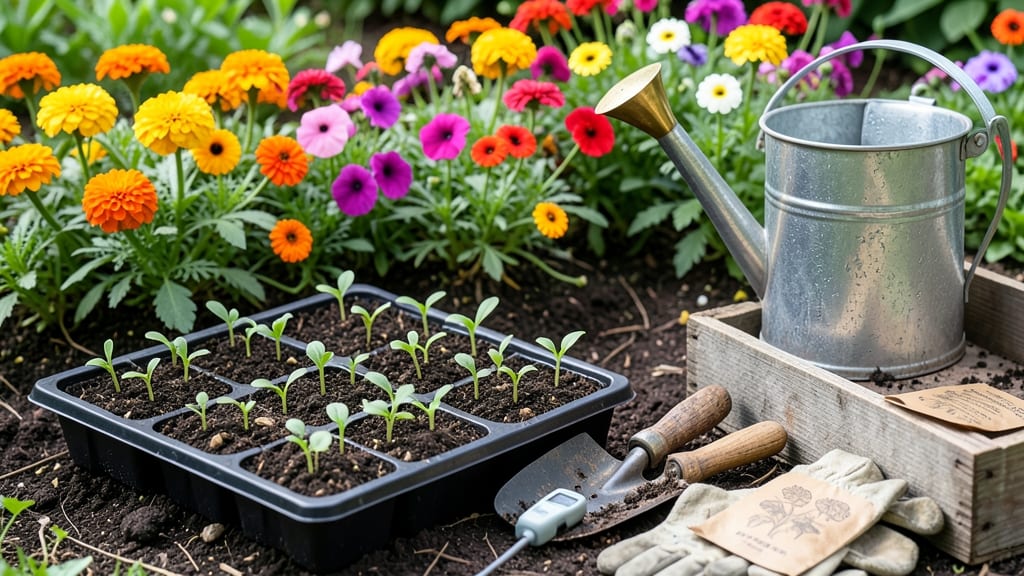
When is the best time to start planting flowers? Timing your flower planting just right is the difference between a garden bursting with 🌸 vibrant blooms and one that struggles to take root. The best time to start planting flowers depends on your last frost date, and getting it wrong can mean lost opportunities for a show-stopping spring display.
For most gardeners in Zone 6a, like me, the ideal window opens 4-6 weeks before your last frost—typically in early spring or late fall.
But without knowing your exact frost date, you might plant too early and risk frost damage, or too late and miss the prime growing season.
I’ve learned that mastering this timing isn’t just about memorizing dates—it’s about understanding your climate, soil prep, and even the type of flowers you’re growing. Whether you’re starting seeds indoors or sowing directly outside, the right approach ensures your garden thrives from the first sprout to the last bloom.
Let’s break down exactly how to sync your planting schedule with your local climate for a garden that blooms beautifully all season. You’ll discover the perfect moments to plant, plus pro tips to extend your growing window without risking frost damage.


How to determine your last frost date and choose the perfect flower planting window
Getting your flower planting timing right means the difference between a garden bursting with color and sad, frost-nipped seedlings. The key? Your last frost date—that magical moment when Mother Nature says, "It's safe to play outside!"
But how do you find it? And once you know, how do you translate it into a planting schedule that works for your annuals vs. perennials and cool-season vs. heat-loving blooms?
Start by checking your USDA Hardiness Zone using the USDA Plant Hardiness Zone Map. This tells you your general climate range, but for precise planting, you need local frost records. Websites like Almanac.com or your local Cooperative Extension Service provide historical data for your exact area.
For example, Seattle (Zone 8) might have a last frost around April 15, while Miami (Zone 11) rarely sees frost at all. Even within a zone, microclimates—like urban heat islands or valleys—can shift frost dates by 1-2 weeks.
Once you’ve pinned down your last frost date, add 4-6 weeks to it for most annual flowers.
This gives seedlings time to sprout and grow strong before facing cooler nights. Cool-season flowers like pansies or snapdragons can handle light frosts, so you can plant them 2-4 weeks before your last frost.
Meanwhile, heat-loving annuals such as marigolds or zinnias need to wait until 2 weeks after your last frost to avoid stunted growth from chilly soils.
| USDA Zone | Avg. Last Frost | Plant Annuals After | Plant Cool-Season Before | Plant Heat-Lovers After |
|---|---|---|---|---|
| Zones 3-4 (Cold) | May 1 | May 15 | April 1 | June 1 |
| Zones 5-6 (Temperate) | April 15 | May 1 | March 15 | May 15 |
| Zones 7-8 (Mild) | March 15 | April 1 | February 15 | April 15 |
| Zones 9-10 (Warm) | January 15 | February 1 | December 1 | March 1 |
| Zones 11-12 (Tropical) | None | Year-round | Year-round | Year-round |
For perennial flowers, timing shifts based on their hardiness. Tender perennials like canna lilies or dahlias need to wait until after your last frost, just like annuals.
But hardy perennials like coneflowers or black-eyed Susans can be planted in early spring or even fall (6-8 weeks before your first frost) to establish roots before winter dormancy.
Regional examples show how local climate quirks matter. In the Pacific Northwest, where frost lingers into May, gardeners often start cool-season flowers in late winter under row covers.
Meanwhile, in the Deep South, where frost is rare, heat-loving annuals like sunflowers can go in the ground as early as February. Even within a region, elevation plays a role—mountain gardens in Zone 6 might have frost dates 2 weeks later than valley gardens.
Don’t forget about soil temperature, which often lags behind air temperature. Use a soil thermometer to confirm your soil is at least 60°F (15°C) for most annuals before planting. In cooler climates, consider starting seeds indoors 6-8 weeks before your last frost to give them a head start.
For example, if your last frost is April 15, begin petunia seeds indoors around February 15.
Pro tip: Use frost-sensitive flowers like impatiens or begonias as your "canary in the coal mine." If they survive a late frost, you’ve likely dodged the worst of the cold.
Conversely, hardy flowers such as calendula or nasturtiums can signal when it’s truly safe to plant heat-lovers. These visual cues help fine-tune your schedule year after year.
Finally, keep a gardening journal to track your local frost dates and planting successes. Over time, you’ll notice patterns—like how urban areas stay warmer than rural spots or how microclimates near bodies of water delay frost.
Adjust your schedule each year based on these observations, and you’ll master the art of
Best flowers to plant by month: a month-by-month survival guide for every climate
Every gardener knows the frustration of planting too early—only to watch tender seedlings turn to ice crystals overnight. But timing your flower planting perfectly means longer bloom seasons and healthier plants.
The key? Matching your local frost dates with the right flowers for each month, whether you're starting seeds indoors or sowing directly outside.
In Zone 6a, where I garden, my schedule revolves around April 15 as the last frost date. That means I start frost-sensitive annuals indoors in February and hardy perennials outdoors in March.
But your timeline may differ—so let’s break down exactly what to plant each month, from cool-season champions to heat-loving superstars, with spacing and depth tips tailored to your climate.
February: Start Indoors
3 Frost-Sensitive Annuals: Petunias (1/4" deep, 12" apart), Geraniums (1/2" deep, 10" apart), Snapdragons (1/4" deep, 9" apart). Use grow lights for 14-16 hours/day.
March: Hardy Outdoors
3 Cold-Tolerant Perennials: Pansies (direct sow 1/2" deep, 6" apart), Calendula (1/4" deep, 8" apart), Sweet Alyssum (1/8" deep, 6" apart). Cover with row fabric if nights dip below 28°F.
April: Transplant & Direct Sow
3 Heat-Loving Annuals: Marigolds (1/2" deep, 10" apart), Zinnias (1/4" deep, 8" apart), Sunflowers (1" deep, 12" apart). Wait until soil reaches 60°F+ for direct sowing.
September: Fall Bloomers
3 Late-Season Stars: Cosmos (1/2" deep, 12" apart), Black-Eyed Susans (1/4" deep, 10" apart), Mums (1/2" deep, 12" apart). Plant 6-8 weeks before first frost for fall color.
For Zone 8-10 gardeners, your timeline shifts: start tomatoes and peppers in February outdoors, while Zone 3-4 gardeners should wait until May for heat-lovers like lantana or portulaca.
Pro tip: Use a planting calendar (like the Old Farmer’s Almanac) to adjust for your exact last frost date—it’s the secret to nonstop blooms.
Don’t forget to harden off seedlings gradually before transplanting, and always water deeply after planting to reduce transplant shock. With this month-by-month guide, you’ll avoid common mistakes like planting frost-tender bulbs too early or missing the ideal window for cool-season crops.
Now that you’ve got your timing down, let’s talk about extending your season—because why should frost stop your garden dreams? Whether you’re using row covers or cold frames, the next section reveals how to push your planting windows even further without risking damage. 🌱