
Flowers
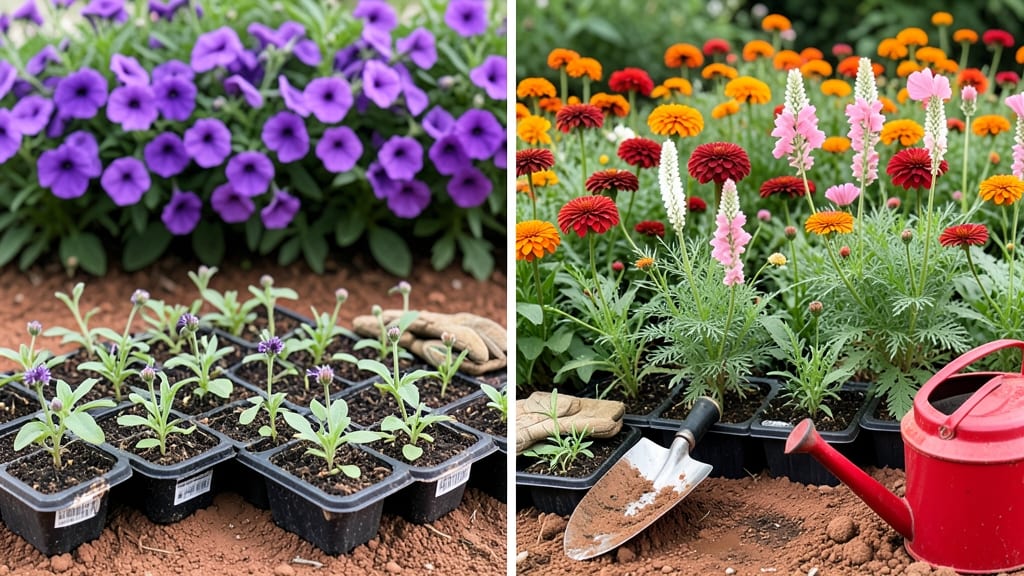
Planting flowers in Utah isn’t just about timing—it’s about surviving the state’s wild swings from frost to sudden heatwaves. If you’ve ever watched your delicate petals wilt under April’s unpredictable weather, you know the stakes are high.
But with the right cold-hardy varieties and a few local tricks, you can turn your yard into a year-round 🌸 paradise—even in zones 5a-9a.
The key? Understanding Utah’s frost dates—because what works in St. George’s 9a zone won’t cut it in Park City’s 5a. Whether you’re in the Salt Lake Valley or the Wasatch Front, planting too early or too late can mean the difference between vibrant blooms and a sad, browned mess.
I’ll break down the exact windows for annuals, perennials, and bulbs so you never guess again.
Beyond timing, Utah’s high desert climate demands smart choices—think drought-resistant natives like penstemon or blanket flower that thrive where others fail. We’ll also cover soil prep, watering hacks, and mulching tips to beat the dry air and rocky terrain. Ready to grow flowers that actually survive Utah’s chaos?
Let’s dive into the cold-hardy varieties and pro tips that’ll have your garden blooming like never before—no matter what Mother Nature throws your way.
Utah’s frost dates & best planting windows by region
Utah’s diverse geography—from high mountain valleys to desert lowlands—means frost dates vary dramatically across the state. Knowing your last spring frost and first fall frost is critical for planting flowers successfully.
In northern Utah, like Park City, temperatures can drop below freezing until mid-April, while southern Utah, including St. George, often sees frost-free soil by mid-March. These differences directly impact when you can safely plant annuals, perennials, and bulbs.
For most Utah gardeners, the best planting window for flowers falls between mid-March and early May, depending on your region. However, high-altitude areas like Logan or Ogden may need to wait until late April or early May to avoid frost damage.
Conversely, low-desert regions like St. George can start planting as early as February for cold-hardy varieties like pansies or snapdragons.
Here’s a quick reference for Utah’s last frost dates by region, along with ideal planting windows for annuals, perennials, and bulbs:
If you’re planting perennials or bulbs, timing is equally critical. In northern Utah, plant spring-blooming bulbs like daffodils in September or October to establish roots before winter. In southern Utah, you can push bulbs as late as November due to milder winters.
For annuals, wait until after the last frost and ensure soil temperatures are at least 50°F (10°C) for optimal germination.
For high-altitude gardens, like those in Park City or Ogden, consider using row covers or cold frames to extend your planting season. These tools can protect tender plants from late spring frosts, allowing you to plant marigolds or zinnias as early as mid-April.
Additionally, succession planting—sowing seeds every 2–3 weeks—ensures continuous blooms throughout the summer.
In desert regions like St. George, focus on drought-tolerant annuals such as lantana or verbena, which thrive in the heat and require minimal water once established.
These varieties can handle Utah’s sudden heatwaves and low humidity, making them ideal for low-desert gardens. Always mulch heavily to retain moisture and regulate soil temperature.
For container gardening, which is popular in Utah’s urban areas, you can plant petunias or pansies as early as March in southern Utah or April in northern regions.
Containers warm up faster than garden beds, so they’re less susceptible to frost. Just ensure pots have drainage holes and use lightweight potting mix to prevent overheating.
Remember, microclimates play a huge role in Utah’s gardening success. A south-facing slope may warm up 2–3 weeks earlier than a north-facing yard, so observe your specific conditions. If you’re unsure about your last frost
Top 10 cold-hardy flowers that thrive in Utah’s climate
Utah’s unpredictable springs can turn even the hardiest gardeners into nervous nellys. But with the right cold-hardy flowers, you can beat the frost and enjoy vibrant blooms from early spring through fall.
These top 10 varieties are proven survivors in Utah’s USDA zones 5a-9a, offering resilience against temperature swings and drought conditions. Whether you’re in the high desert or mountain valleys, these plants will reward you with season-long color with minimal fuss.
From the delicate columbine that dances in spring breezes to the bold blanket flower that thrives in summer heat, each of these flowers brings something unique to your garden. They’re not just pretty—they’re practical, too, requiring less water and maintenance than many hybrid varieties.
Let’s dive into the specifics so you can pick the perfect Utah-proof bloomers for your space.
When to Plant Flowers in Utah: Pros & Cons
- 🌱 Spring Planting (March-May): Perfect for perennials and hardy annuals like columbine and lupine.
- ☀️ Summer Planting (June): Ideal for heat-loving varieties like zinnia and marigold.
- 🌿 Fall Planting (Sept-Oct): Gives perennials time to establish roots before winter.
- ❄️ Late Frost Risk (April): Early plantings may suffer in northern Utah (zones 5a-6a).
- 💧 Drought Stress: Summer planting requires consistent watering to avoid transplant shock.
- 🌡️ Temperature Swings: Sudden heatwaves can stress newly planted flowers in spring.
Pro Tip: Always check your local last frost date (e.g., April 1 in Salt Lake Valley, April 15 in northern Utah) and wait until soil temps reach 50°F (10°C) for best results.
Let’s start with columbine (Aquilegia), a Utah native that’s as tough as it is beautiful. This perennial thrives in USDA zones 3-9 and blooms from late spring to early summer, often reblooming in fall.
Its frost-resistant foliage stays green even when other plants wilt, making it a low-maintenance star. Plant columbine in partial shade to protect its delicate blooms from afternoon sun, and watch it attract hummingbirds all season.
For a bold pop of color, turn to blanket flower (Gaillardia), a drought-tolerant perennial that loves Utah’s dry climate. This sun-worshipper blooms from summer through fall and comes in fiery shades of red, orange, and yellow.
Blanket flower is also deer-resistant, a major plus for Utah gardeners. Deadhead spent blooms to encourage more flowers, and it’ll reward you with non-stop color even in the hottest months.
If you love fragrant blooms, Russian sage (Perovskia) is a must-have. This drought-tolerant perennial thrives in USDA zones 5-9 and produces lavender-blue spikes that perfume your garden from mid-summer to fall.
Russian sage handles Utah’s alkaline soil and poor drainage better than most plants, making it a low-fuss choice for even the most challenging spots.
For early spring color, crocus (Crocus) is a reliable pick. These bulb plants bloom as soon as the snow melts, often in February or March, and come in cheerful shades of purple, yellow, and white.
Crocus is frost-hardy and thrives in full sun to partial shade, making it perfect for Utah’s unpredictable springs. Plant bulbs in fall (September-October) for next year’s vibrant display.
Don’t overlook yarrow (Achillea), a perennial that’s as tough as it is pretty. Yarrow blooms from early summer to fall and comes in a variety of colors, including white, yellow, and pink. It’s drought-tolerant, deer-resistant, and thrives in USDA zones 3-9.
Yarrow also attracts pollinators, making it a functional addition to any garden. Shear back spent blooms to encourage a second flush of flowers.
To round out your Utah flower garden, consider penstemon, another native that’s drought-resistant and pollinator-friendly. This perennial comes in shades of red, pink, purple, and white and blooms from late spring to early summer.
Penstemon thrives in full sun and well-draining soil, making it ideal for Utah’s rocky terrain. It’s also low-maintenance, requiring only occasional watering once established.