
Flowers
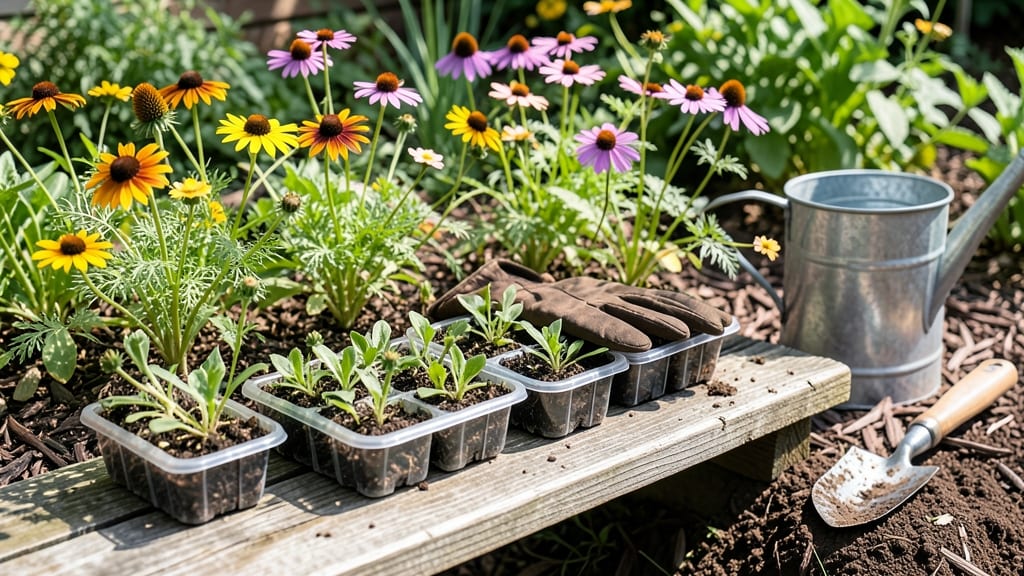
Planting flowers in Georgia at the wrong time can mean the difference between a vibrant garden and one that barely survives the first frost. With 220 frost-free days in most of the state, timing your plantings—whether in USDA Zones 7b-8b—is the key to long-lasting blooms and fewer headaches.
Skip the guesswork and learn exactly when to tuck those 🌸 bulbs and seeds into the soil for maximum impact.
Fall is your golden window for planting many frost-resistant varieties, but spring also offers opportunities if you know the tricks. Whether you're a seasoned gardener or just starting, understanding Georgia’s microclimates—like the cooler springs in the north versus the milder south—can save your flowers from unexpected chills.
I’ll break down the best months for each type, so you can plant with confidence.
From pansies that brave early springs to sunflowers that thrive in late summers, we’ll cover the top frost-resistant flowers that Georgia gardeners swear by.
You’ll also discover how to adjust planting times for containers versus in-ground beds, plus how to protect tender plants when the forecast calls for an early freeze. Let’s make this your most successful gardening season yet.
Ready to transform your yard into a year-round floral display? The secret starts with knowing when to plant—and I’ve got the month-by-month guide to get you there. No more wilting dreams or wasted seeds; just beautiful blooms that keep coming back, season after season.
Georgia flower planting calendar: best months by frost-resistant variety
Georgia’s 220 frost-free days give you a long window to grow stunning flowers, but timing matters—especially for frost-resistant varieties that need to establish roots before winter or heat. Whether you're in USDA Zone 7b (North Georgia) or Zone 8b (South Georgia), planting at the right time ensures your flowers thrive.
I’ll walk you through the best months for each type, from cool-season bulbs to heat-loving annuals, so you can avoid frost damage and maximize blooms.
Fall is the golden window for planting many frost-hardy flowers, while spring offers opportunities for tender varieties once the last frost passes. For North Georgia, aim for mid-March for spring planting, while South Georgia can start earlier in late February.
Adjust for your local microclimate—mountain regions may need to wait longer, while coastal areas can plant sooner. Let’s dive into the month-by-month breakdown to help you plan like a pro.
Below is your Georgia flower planting calendar, featuring the best months for frost-resistant varieties. This table includes annuals, perennials, and bulbs that handle Georgia’s unpredictable weather, from late spring frosts to early fall freezes.
Use this as your guide to plant with confidence and enjoy blooms all season long.
For North Georgia, where frosts linger longer, stick to the earlier dates in each window. In South Georgia, you can push planting times back by 2-3 weeks, especially for heat-tolerant annuals like zinnias or sunflowers.
Always check your local last frost date—Atlanta’s average is March 15, while Savannah’s is closer to March 1. If you’re unsure, opt for transplants over seeds to avoid delays.
Don’t overlook container gardening for frost-sensitive plants. Containers warm up faster in spring and can be moved to sheltered spots during cold snaps. Fill pots with well-draining soil and use mulch to protect roots.
For in-ground planting, amend your soil with compost to improve drainage and fertility—Georgia’s clay-heavy soil can suffocate roots if not prepped properly. A little extra care now means healthier plants and longer bloom times later.
If you’re planting spring-blooming bulbs like tulips or daffodils, aim for October or November. These bulbs need time to establish roots before winter dormancy. For fall-blooming varieties like chrysanthemums or asters, plant in late summer (August-September) to ensure they flower before the first frost.
Pro tip: Use a planting calendar or set reminders for your region’s key dates to stay on track.
Watering is critical after planting. Newly planted flowers need 1 inch of water per week, especially during Georgia’s hot, dry summers. Water in the morning to reduce evaporation and fungal risks. For container-grown plants, check soil moisture daily—they dry out faster than in-ground varieties.
Mulching around your plants helps retain moisture and regulate soil temperature, which is especially helpful during Georgia’s unpredictable spring weather.
Finally, don’t forget to fertilize at the right time. Use a balanced fertilizer (10-10-10) when
How to adjust planting times for Georgia’s microclimates (north vs. south)
Georgia’s diverse geography means your planting schedule should change depending on whether you’re in North Georgia’s cooler mountains or South Georgia’s milder coastal plains. Atlanta’s last frost date typically falls around March 15, while Savannah can enjoy 6-8 weeks longer of growing season.
Rural areas often experience earlier frosts than cities, thanks to the urban heat island effect. Understanding these differences helps you avoid late spring frosts that can devastate tender seedlings.
For example, pansies and violas can handle 28°F temperatures, making them ideal for early spring plantings in North Georgia—but in Savannah, you might wait until February 15 instead of February 1.
Meanwhile, tender annuals like marigolds should wait until after May 1 in the mountains, but can go in by April 15 near Savannah.
| Region | Last Frost | First Frost | Best Spring Planting Window | Fall Planting Window |
|---|---|---|---|---|
| North Georgia (Atlanta) | March 15 | November 1 | April 1 - May 15 | August 15 - September 30 |
| Central Georgia (Macon) | March 1 | November 15 | March 15 - May 1 | August 1 - September 15 |
| South Georgia (Savannah) | February 15 | December 1 | February 15 - April 15 | July 15 - September 1 |
To extend your growing season and protect tender plants from unexpected frosts, use row covers or cold frames—these can add 4-6°F protection and push your planting windows earlier.
For example, I’ve successfully planted calendula in mid-February in Atlanta using a simple floating row cover, giving me blooms a full month earlier than unprotected plantings.
Another smart strategy is staggered planting. Instead of planting all your cosmos or zinnias at once, sow half in April and the other half in early May.
This ensures continuous blooms and reduces the risk of losing your entire crop to a late spring freeze (which can still hit as late as April 30 in the mountains).
For fall plantings, pay close attention to early frost warnings after October 15. In North Georgia, mums and asters planted in late September often survive until November 15, but a sudden cold snap can turn your garden into an icy landscape overnight.
I recommend planting hardy perennials like hellebores by October 1 to ensure they establish roots before winter.
If you’re unsure about your local frost dates, check the National Weather Service or use a frost calendar app like Old Farmer’s Almanac. For rural areas, add 2-3 weeks to city frost dates—country gardens often get colder at night.
With these adjustments, you’ll maximize your blooms and minimize the heartbreak of frost damage—no matter where in Georgia you garden. 🌱