
Flowers
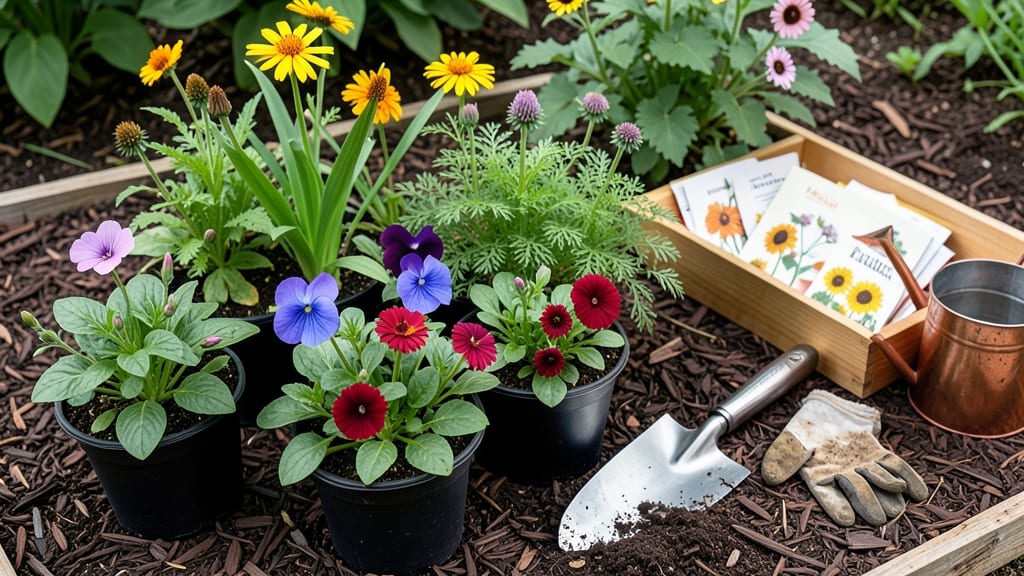
Knowing when to plant flowers in Philadelphia is the key to turning your garden into a vibrant, year-round masterpiece—without the heartbreak of frost-nipped blooms.
The city’s USDA Zone 7a climate throws curveballs with late frosts that can catch even experienced gardeners off guard, but with the right schedule, you can beat the odds and enjoy blooms from spring to fall.
Most gardeners make one critical mistake: planting too early before the last frost date (April 15 in Philly). That’s why I’ve broken down the exact months to plant everything from cold-hardy tulips to heat-loving annuals, so you never risk losing your investment to a surprise freeze.
Whether you’re sowing seeds or popping in nursery starts, this guide gives you the precise window for maximum success.
Spring planting kicks off in March, but not all flowers are created equal. Perennials like peonies and daylilies can handle Philly’s chilly starts, while tender annuals like marigolds need to wait until soil warms in May.
And don’t overlook fall planting—August through September is prime time for bulbs and cool-season blooms that’ll surprise you next spring.
Ready to transform your garden? I’ll walk you through the month-by-month schedule, plus pro tips for adjusting to Philly’s microclimates—so you can finally stop guessing and start growing with confidence. Let’s get those 🌸 flowers in the ground the right way.
Philadelphia’s exact month-by-month flower planting schedule
Philadelphia’s USDA Zone 6b/7a climate means your flower garden thrives with precise timing—plant too early, and late frosts will zap tender seedlings. Too late, and summer blooms arrive late.
The average last frost date is April 15, but urban heat islands can delay it by 1-2 weeks in Center City. Here’s my battle-tested schedule to maximize blooms from spring through fall.
For annuals, start seeds indoors 6-8 weeks before your target planting date. Perennials and cold-hardy varieties can go straight into the ground as soon as soil reaches 45°F (7°C)—usually late March. Containers warm faster, so you can plant them 2-3 weeks earlier than in-ground beds.
🌱
| Month | Plant Type | Ideal Planting Time | Soil Temp Threshold | Notes |
|---|---|---|---|---|
| February | Cold-hardy annuals (e.g., pansies, snapdragons) | Start indoors (6-8 weeks before last frost) | N/A (indoor) | Use grow lights for 12+ hours/day |
| March | Perennials (e.g., tulips, daffodils) | Late March (after 45°F soil) | 45°F (7°C) | Mulch heavily to protect from late frosts |
| April | Annuals (e.g., marigolds, zinnias) | After April 15 (last frost) | 50°F (10°C) | Harden off seedlings for 1 week first |
| May | Heat-loving annuals (e.g., petunias, geraniums) | Mid-May (after 55°F soil) | 55°F (13°C) | Use shade cloth for seedlings |
| August | Fall-blooming perennials (e.g., asters, mums) | Early August (6-8 weeks before first frost) | 60°F (16°C) | Transplant seedlings, not mature plants |
| September | Cold-hardy annuals (e.g., pansies, calendula) | Late September (before 50°F soil cools) | 50°F (10°C) | Mulch to extend blooming season |
In containers, you can push planting dates by 2-3 weeks because pots warm up faster. For example, petunias can go into containers by mid-April (2 weeks before in-ground planting). Just ensure containers have drainage holes and use lightweight potting mix to prevent waterlogging.
Philadelphia’s urban heat islands (like Center City) can delay frost dates by up to 2 weeks. Monitor local forecasts and use frost cloth if nighttime temps dip below 32°F (0°C).
For late-summer plantings, aim to get flowers in the ground by August 15—this gives them time to establish roots before winter.
Pro tip: Test your soil temperature with a thermometer before planting. Most flowers need soil at 50°F (10°C) or warmer to thrive. If it’s cooler, wait or use black plastic mulch to warm the soil faster.
🌷
For bulbs like tulips and daffodils, plant them in fall (October-November)—they need cold stratification to bloom the following spring. If you missed that window, you can still plant in early spring (March), but blooms may be delayed or smaller.
Finally, keep a planting journal to track what works in your specific Philly microclimate. Note which varieties survived late frosts or thrived in your container setup. Over time, you’ll refine your schedule to match your unique garden conditions.
☀️
Best cold-hardy flowers for Philadelphia’s unpredictable spring
Philadelphia’s unpredictable spring can leave even the most eager gardeners second-guessing their planting timeline. But with the right cold-hardy flowers, you can beat the odds and enjoy vibrant blooms from early spring through summer.
These varieties thrive in Philly’s USDA Zone 7a climate, handling late frosts and fluctuating temperatures like pros.
The key is selecting flowers that match your planting window—whether you’re prepping for early spring (March), late spring (May), or even summer (June). I’ve curated a list of top performers, including deer-resistant options and drought-tolerant picks to minimize maintenance.
Plus, I’ll highlight multi-season bloomers that give you extended color without extra work.
For early spring planting (March), prioritize bulbs like tulips and daffodils, which can handle Philly’s chilly soil temperatures.
These hardy bloomers often emerge before the last frost and reward you with bright color when other flowers are still dormant. Bleeding heart is another standout for shade gardens, thriving in cool conditions and offering delicate foliage all season.
When late spring (May) rolls around, shift to perennials like peonies and daylilies, which establish roots quickly and bounce back from temperature swings. These plants are also deer-resistant, making them ideal for suburban Philly gardens. Add coneflowers for pollinators and long-lasting blooms that dry beautifully for arrangements.
Don’t overlook summer annuals like black-eyed Susans and zinnias, which thrive in Philly’s heat once soil warms. These varieties are drought-tolerant once established, perfect for low-maintenance gardeners. For containers, marigolds are a must—they repel pests and bloom nonstop with minimal care.
Pro tip: Pair multi-season bloomers like Russian sage or sedum to extend your garden’s lifespan. These plants offer color from late summer through frost, giving you a longer display without replanting. And remember—deer-resistant varieties like alliums and lavender are worth the investment for peace of mind.
With this lineup, you’ll enjoy year-round interest while keeping maintenance manageable. Start with the cold-hardy stars in early spring, then layer in late bloomers for continuous color. Your Philly garden will thank you with bold, resilient blooms that outshine the unpredictable weather. 🌷