
Flowers
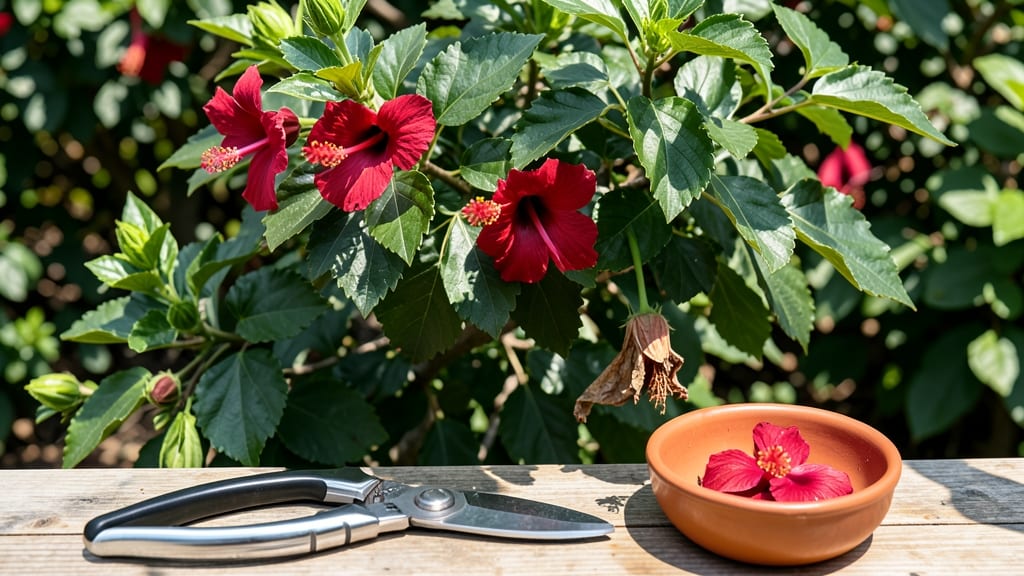
Harvesting hibiscus flowers at the wrong time can turn your tea from bold and tangy to bitter and weak. The secret to unlocking that perfect tart-sweet flavor lies in knowing exactly when those 🌸 blooms are ready to pick—before they wilt or lose their vibrancy.
Most gardeners in USDA Zone 6a wait until July or August, but timing depends on your plant’s color and climate. A fully open flower with crisp petals—especially in deep reds, pinks, or yellows—is your golden ticket to the richest brew.
Miss this window, and you’ll end up with tea that tastes more like disappointment than hibiscus.
Morning is the best time to harvest, when dew has dried but the sun hasn’t yet sapped the petals’ moisture. Humidity or rain can ruin flavor, so check the forecast and avoid picking after storms. With these simple cues, you’ll never second-guess when to snip again.
Ready to brew tea that rivals your favorite café? I’ll walk you through the exact color clues, seasonal adjustments, and post-harvest tips to keep your hibiscus tea tasting fresh—no guesswork required.

How to identify the perfect hibiscus flower color for tea harvesting
The color of your hibiscus petals isn’t just about aesthetics—it directly impacts your tea’s flavor profile. Red hibiscus delivers a bold, cranberry-like tang, while pink varieties offer a sweeter, floral note. Yellow hibiscus leans citrusy, and orange blooms strike a perfect tart-sweet balance.
Each hue peaks at different stages of bloom, so knowing when to harvest each color ensures your tea tastes vibrant, not dull.
Sunlight exposure plays a critical role in color intensity and flavor development. Hibiscus grown in full sun (6+ hours daily) develops deeper colors and higher vitamin C content. In partial shade, petals may appear paler, and the tea will taste milder.
If your plants aren’t getting enough light, supplement with a grow light or relocate them to a sunnier spot at least 4-6 weeks before harvest to let the colors fully develop.
Here’s how to spot the perfect harvest-ready hibiscus by color—plus when to avoid picking:
For red hibiscus, the deepest color appears when flowers are fully open but haven’t started wilting. Test petals by gently touching them—if they feel crisp and slightly papery, they’re ready.
If they’re still soft or sticky, wait another day. Pink hibiscus often blooms later in the season, so monitor your plants closely in late summer for the brightest hues.
Yellow hibiscus is trickier because its color fades quickly. Harvest these first thing in the morning when dew has evaporated but the sun hasn’t heated the petals.
Look for a bright, even yellow—any greenish tint means the flower is past its prime. Orange hibiscus bridges the gap between red and yellow, offering a longer harvest window (up to 48 hours after full bloom) before flavor declines.
Sunlight exposure also shifts the optimal harvest window. In hot climates (Zones 8-11), hibiscus blooms continuously, so you’ll need to harvest daily or every other day to keep up.
In cooler zones (6a-7b), flowers may only last 12-24 hours at peak color, so plan your harvests for morning sessions when temperatures are mild.
Pro tip: Use a small handheld magnifier to check for hidden signs of overripeness, like tiny brown spots or curled edges. These are flavor killers in your tea.
If you spot them, snip the flower immediately and compost it—don’t risk brewing with subpar petals. Your tea’s quality depends on this level of detail!
Once you’ve mastered the color cues, your hibiscus tea will have a consistent, vibrant flavor every time. The key is patience and observation—don’t rush to pick, and always harvest in the morning. Your future tea-drinking self will thank you for the extra effort!
Best time of day and season to pick hibiscus for maximum flavor
The morning hours between 6 AM and 9 AM are your golden window for harvesting hibiscus flowers. This is when petals contain the highest concentration of antioxidants and vitamin C, thanks to overnight hydration.
Afternoon harvests (post-noon) often yield flowers with lower moisture content, resulting in a flatter, less vibrant tea flavor. In USDA Zone 6a, I always harvest by 8 AM to avoid the midday heat that can stress the petals.
Seasonal timing varies dramatically by climate. In tropical zones (8-11), hibiscus blooms year-round, but peak flavor occurs during dry seasons when humidity is lowest. In temperate zones (6a-7b), aim for July through early September when daytime temperatures hover between 75°F and 85°F.
Harvesting too early (before July) risks underdeveloped flavors, while waiting too long (past September) may catch flowers affected by early frost.
- 🌅 Harvest between 6-9 AM when petals are crisp and fully open—this captures peak vitamin C levels.
- ☀️ Avoid afternoon harvests (after 12 PM) as heat stress reduces flavor intensity by up to 30%.
- 🌧️ Never harvest after rain—petals absorb excess moisture, diluting flavor and increasing mold risk.
- 📅 Temperate zones (6a-7b): July–early September for optimal flavor and color vibrancy.
- 🌴 Tropical zones (8-11): Focus on dry seasons (lower humidity = brighter flavors).
- ✂️ Use clean, sharp scissors to snip stems 1-2 inches below the flower to encourage new blooms.
- 🌡️ Ideal harvest temps: 65°F–75°F—cooler mornings preserve flavor compounds.
Weather plays a critical role in tea quality. High humidity (above 70%) can cause petals to stick together, while dry conditions (below 40%) may make them brittle.
I always check the 24-hour forecast before harvesting—if rain is predicted within 12 hours, skip the harvest to avoid waterlogged petals, which turn tea bitter.
In high-altitude gardens, morning frost can also be a risk, so harvest slightly later (8-10 AM) to ensure petals aren’t damp.
Your climate zone dictates the harvest schedule. In Zone 6a, I harvest daily during peak season (July–August) because flowers open and wilt quickly in the heat. In cooler zones (5a-5b), blooms may last 48 hours at peak color, giving you more flexibility.
Pro tip: Mark your calendar for the first frost date (typically October 31 in Zone 6a) and stop harvesting 2 weeks before to avoid frost-damaged flowers.
Once you’ve harvested, dry the petals immediately in a well-ventilated, shaded area (like a mesh screen or paper towels) for 24–48 hours. Avoid direct sunlight, which can bleach the color and degrade antioxidants.
Store dried petals in airtight containers away from light to preserve their tart-sweet flavor for up to 6 months. With this timing precision, your hibiscus tea will always taste like a café-quality brew—not homemade disappointment.
Remember: The morning harvest in ideal weather is your secret weapon for maximum flavor. Skip the afternoon rush, and your tea will thank you with every bold, tangy sip. Happy harvesting! 🌸