
Flowers
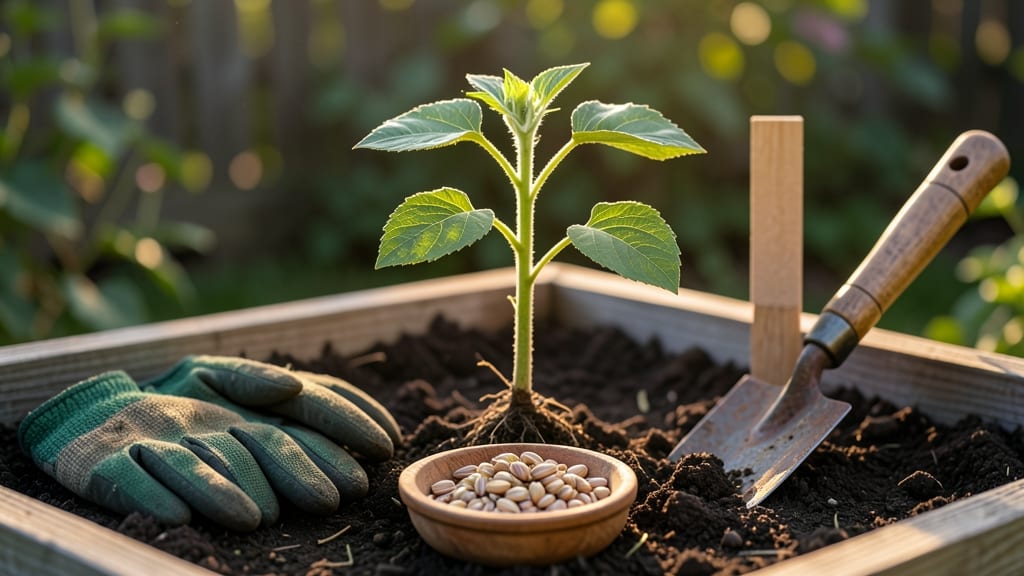
Planting sunflowers in Georgia isn't just about picking a month—it's about catching that sweet spot when the soil warms to 50°F or higher, which can mean the difference between fast germination and waiting weeks for your 🌻 to sprout.
Most gardeners in USDA zones 7b-8b reach for their seeds in late March or early April, but that timing shifts dramatically depending on whether you're in the Piedmont hills or the coastal plains.
The key? Waiting for the last frost to pass and the ground to dry out—because soggy soil can stall your sunflowers before they even start.
Here's what I've learned after testing different planting windows: Direct-sowing in late spring (May or June) often yields faster, stronger plants in Georgia's heat, while early spring starts give you a head start for those towering 12-foot giants by summer. The secret isn't just the calendar—it's understanding your microclimate.
Ready to grow sunflowers that blossom in record time? I'll walk you through exactly when to plant—plus how to adjust for your specific corner of Georgia—so you're not left waiting until next year for those cheerful faces to turn toward the sun.
Georgia’s ideal sunflower planting timeline by soil temperature (not calendar months)
Sunflowers love Georgia’s warmth, but soil temperature—not the calendar—determines their success. Seeds need consistent soil temps above 50°F to germinate properly. Coastal areas warm faster than the Piedmont or mountains, so your planting window shifts depending on where you live.
Let’s break it down by region and soil warmth to maximize your sunflower’s growth potential.
Most Georgia gardeners focus on frost dates, but sunflowers thrive when soil is warm. Cold, damp soil slows germination and invites rot. The key is planting when your soil hits 50°F+ consistently.
This usually means waiting until late March to early April in most of Georgia, but coastal areas can start as early as mid-February. Mountain regions may need to wait until April.
Here’s how to test your soil temperature at home: Use a soil thermometer (or an old meat thermometer) to check 2-3 inches deep in the morning. If it’s below 50°F, wait a few days.
Once it’s warm, you’re ready to plant. This method beats guessing—it’s how pros time their sunflower plantings for fast, reliable germination.
Georgia’s three main regions have different planting windows due to microclimates. Coastal areas (like Savannah) can plant 2-3 weeks earlier than the Piedmont (Atlanta area) or mountains (Blue Ridge).
The table below shows exact soil temperature triggers for each region, so you can plant at the perfect time for your zone.
Planting in early spring (March-April) gives sunflowers the longest growing season, but there’s a trade-off: slow germination in cooler soil. If you’re impatient, try late spring planting (May-June). Seeds will sprout faster in warm soil, but your sunflowers may bloom later.
For fastest germination, aim for soil temps of 60°F+, even if it means waiting until May.
Georgia’s humid summers can also affect timing. If you plant in late spring or summer, choose heat-tolerant varieties like ‘Moulin Rouge’ or ‘Autumn Beauty’. These handle the heat better than traditional types.
For fall blooms, plant in August-September—just ensure your sunflowers have at least 60 days to mature before frost hits.
One common mistake? Planting too early in wet, cold soil. Sunflower seeds rot if they’re too damp. Always check soil moisture too—it should be damp but not soggy.
If your soil is waterlogged, wait a few days or improve drainage with compost. Well-draining soil is just as important as warm soil for sunflower success.
Pro tip: Use black plastic mulch to warm soil faster in early spring. Lay it down a week before planting to raise soil temps by 5-10°F. This trick helps mountain gardeners plant earlier or coastal gardeners extend their season. Just remove the mulch once seeds sprout to avoid overheating.
Ready to plant? Grab your soil thermometer, pick your region’s window from the table, and get those seeds in the ground. With the right timing, you’ll have sunflowers towering over your fence by summer’s end—no guesswork needed.
5 Critical factors that determine your exact planting window in Georgia
Georgia’s humid summers and varied frost dates make sunflower planting a microclimate puzzle. While most gardeners focus on soil temperature, the real magic happens when you layer in frost-free windows, sunflower maturity zones, and container vs. ground planting.
I’ve seen late-summer blooms from seeds planted in May—while others struggled with early April starts because of soggy soil. The key is balancing these five factors to avoid stunted growth or missed harvests.
First, last frost dates set your baseline. In northern Georgia (USDA 7b), the last frost typically hits around March 15, while coastal areas (USDA 8b) can plant as early as February 15.
But don’t rush—waiting for consistent 50°F soil temps (test with a soil thermometer!) ensures faster germination. I once planted in early March in Athens and waited three weeks for sprouts, while my neighbor in Savannah saw hers pop up in 10 days with late-February starts.
- 🌡️ Soil Temperature: Wait for 50°F+ (use a thermometer). Coastal GA hits this by February 15; Piedmont by March 15.
- ❄️ Frost Dates: Northern GA (7b) plants after March 15; Southern GA (8b) can start 2-3 weeks earlier.
- 🌱 Maturity Zones: Fast varieties (50-60 days) suit late starts; giants (100+ days) need early April planting.
- 🪴 Containers vs. Ground: Pots warm faster—plant 2 weeks earlier than in-ground. Drainage is critical!
- 🌧️ Humidity Impact: Avoid planting in wet soil (fungal risk). Let rain-soaked ground dry for 3-5 days before sowing.
Your sunflower’s days-to-maturity dictates planting windows. Dwarf varieties like ‘Teddy Bear’ (55 days) thrive with late May starts, while ‘Russian Giant’ (120+ days) needs an early April jumpstart.
I’ve grown both in Macon—planting the dwarf in June still gave me September blooms, but the giants flopped when started after April 15.
Use your frost-free days (210–240 in GA) as a guide: Subtract the variety’s days-to-maturity from your first frost date to find your latest safe planting window.
Containers change the game. They warm up 2–3 weeks faster than ground soil, letting you plant earlier in cooler zones. However, drainage is non-negotiable—soggy roots in pots lead to damping-off disease.
I use fabric pots in my Atlanta balcony garden to avoid this, planting ‘Moulin Rouge’ in early March and enjoying blooms by June. For ground planting, amend soil with compost to improve drainage, especially in clay-heavy areas like middle Georgia.
Georgia’s humid summers create hidden pitfalls. Planting in wet, compacted soil (common after spring rains) can smother seeds. Let soil dry to 2–3 inches deep before sowing—stick a finger in to test. I learned this the hard way in Columbus last year, where seeds rotted in May’s downpours.
Wait for 3–5 days of dry weather after heavy rain before planting. Mulching with straw after germination helps retain moisture without suffocating roots.
Pro tip: Use black plastic mulch to warm soil faster in cooler zones. It raises soil temps by 5–10°F, letting you plant 1–2 weeks earlier without risk. Pair this with row covers for early starts in northern GA to protect from late frosts.
My ‘Autumn Beauty’ sunflowers in Dahlonega thrived with this combo, blooming in July instead of August. The secret? Monitor soil temps daily and adjust your timeline based on real data, not just the calendar.