
Flowers
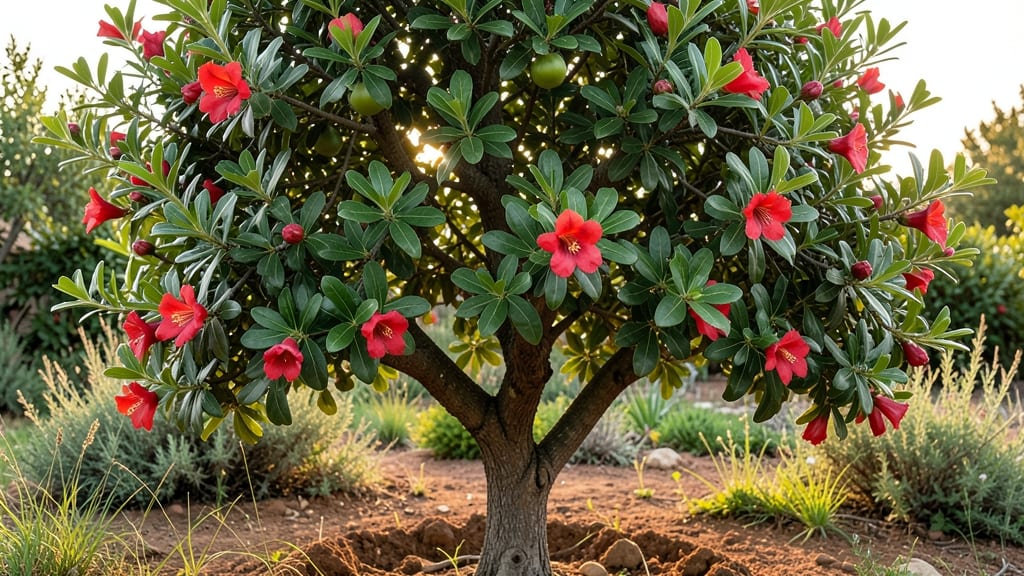
Pomegranates flower in late spring, but the exact timing depends on your USDA zone—and getting it right means the difference between a bountiful harvest and a missed opportunity. 🍇 Whether you're in Zone 7 or Zone 10, knowing when those striking red blooms will appear helps you plan for frost risks, pruning, and even watering adjustments that keep your tree thriving.
Most pomegranates burst into bloom around May to June, but cooler climates like Zone 7 may see flowers as late as July, while warmer zones like Zone 10 can start as early as April.
This variation isn’t random—it’s your tree responding to temperature shifts and daylight hours, which is why understanding your local climate is the key to predicting blooms.
Here’s the game-changer: with a few simple adjustments—like strategic pruning in late winter or adjusting watering schedules—you can nudge your pomegranate into flowering just a little earlier or later. I’ll show you exactly how to time it for maximum fruit production, no matter where you garden.
Ready to turn those vibrant blooms into a harvest of juicy pomegranates? Let’s dive into the science and strategies that will have your tree flowering like clockwork every season.
Pomegranate flowering timeline by USDA hardiness Zones
Pomegranates (Punica granatum) are stunning ornamental plants that also produce delicious fruit—but their flowering window depends heavily on your USDA zone. In colder zones like Zone 7, blooms appear later to avoid frost damage, while Zone 10+ pomegranates may flower year-round.
Understanding these patterns helps you time planting, pruning, and even fruit production for a bountiful harvest.
Flowering is triggered by temperature shifts after winter dormancy. Most varieties bloom in late spring to early summer, but early varieties (like 'Wonderful') may start as early as March in Zone 9, while late varieties (like 'Eversweet') wait until May in Zone 7.
Frost is the biggest threat—even a light freeze (28°F) can kill delicate blooms, reducing your fruit yield.
Here’s a zone-by-zone breakdown of when to expect blooms, along with frost risk windows and tips to protect your tree. Use this as your guide to adjust planting, pruning, or even container growing for optimal results.
🌱 Pro Tip: In Zones 7-8, plant pomegranates against a south-facing wall to capture extra heat and extend the growing season by 2-3 weeks.
In Zone 7, pomegranates typically bloom in late May to early June, just as the risk of frost drops below 28°F. This timing minimizes damage to new flowers and ensures fruit can develop before fall.
If you’re in a microclimate with late frosts, opt for late-blooming varieties like 'Wonderful' to avoid losses.
Gardeners in Zone 8 enjoy an earlier bloom window (April to May), giving them a head start on fruit production. However, a sudden cold snap can still ruin blooms, so monitor your local frost dates and consider row covers if needed.
Early varieties like 'Sweetheart' are ideal for this zone—they produce fruit faster and are more cold-hardy.
Warmer climates (Zones 9-11) offer the most flexibility. In Zone 9, blooms appear as early as March, while Zone 10+ pomegranates may flower year-round, with peaks in winter and early spring.
This extended season means you can harvest fruit twice a year if you plant multiple varieties. Just ensure your tree gets full sun (6+ hours daily) to support continuous flowering.
Temperature plays a critical role in triggering blooms. Pomegranates need a period of cooler weather (50-60°F) in late winter to break dormancy, followed by warmer days (70°F+) to stimulate flower buds.
In Zone 7, this often happens in April, while Zone 10 trees may experience it in December. If your tree isn’t flowering, check if it’s getting enough chill hours—most pomegranates need 200-300 hours below 45°F annually.
Adjust your planting strategy based on your zone. In Zones 7-8, plant pomegranates in spring (after last frost) to give roots time to establish before blooming. In Zones 9-11, you can plant year-round, but avoid extreme heat (90°F+) which can stress young trees. For
How to accelerate or delay pomegranate blooms for your climate
Your pomegranate tree’s flowering schedule is directly tied to your local climate, but with the right adjustments, you can fine-tune it to avoid frost damage or heat stress. In Zone 7, late blooms risk frost, while Zone 10+ gardeners may struggle with heat-induced dormancy.
The secret? Strategic pruning, watering, and even temperature manipulation—all while keeping your tree healthy and productive.
For example, a late-winter pruning in Zone 7 can encourage earlier blooms, while shade cloth in Zone 10+ protects flowers from scorching. Organic methods like compost tea or fish emulsion can also nudge your tree into flowering at the perfect time without harsh chemicals.
Let’s break down the best approaches for your specific climate zone.
Here’s the key: organic methods like mulching or compost tea work slower but build long-term soil health, while chemical triggers (like bloom-inducing hormones) offer faster results but may disrupt natural cycles. I’ll compare both so you can choose what fits your gardening style.
Accelerating vs. Delaying Blooms: Pros and Cons
Accelerate Blooms (Zone 7)
- Pros: Avoids frost damage, earlier fruit
- Cons: Weakens tree if overdone
Delay Blooms (Zone 10+)
- Pros: Avoids heat stress, better fruit set
- Cons: May reduce bloom quantity
To accelerate blooms in Zone 7, prune in late winter (just before buds swell) to remove old wood and encourage new growth. Pair this with a balanced fertilizer (10-10-10) in early spring to give your tree the nutrients it needs to flower early.
For organic gardeners, a compost tea applied in late winter can also stimulate growth without synthetic inputs.
In Zone 10+, delay blooms by providing afternoon shade during peak summer months. Reduce watering slightly in late spring to stress the tree just enough to push flowering later in the season.
If you notice buds forming too early, a light pruning of new growth can reset the cycle. Chemical methods like bloom inhibitors exist but are rarely needed—organic adjustments usually work just as well.
Remember: consistency is key. Whether you’re accelerating or delaying, stick to your chosen method for at least two seasons to see the best results. With these adjustments, your pomegranate tree will flower reliably, leading to a bountiful harvest every year—no matter your climate zone.