
Blooming
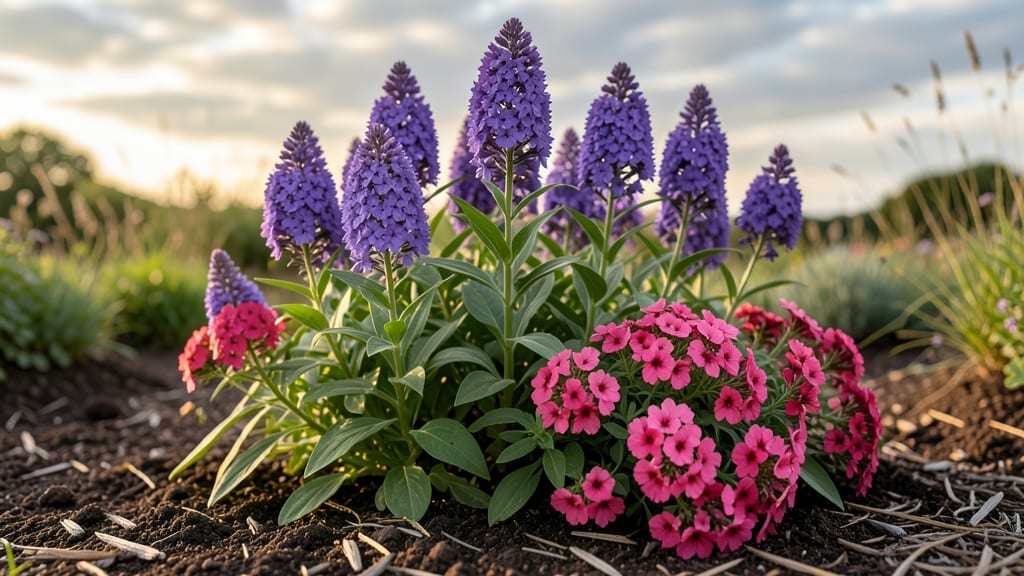
When do phlox flower like clockwork each year? If you're planting these vibrant 🌸 clusters for the first time, timing is everything.
In USDA Zone 6a, where I garden, those cheerful flowers typically burst into color between late May and June, though cooler zones may see them slightly later.
The exact timing depends on your climate and the specific variety you've chosen—some early bloomers start as soon as April in warmer regions, while later varieties can stretch into July. Knowing when to expect those colorful faces helps you plan companion plants and garden layouts for maximum seasonal impact.
What I've learned is that a little preparation makes all the difference—proper planting in March-April, consistent care, and smart pruning can extend that blooming window by weeks. Let me show you how to time everything perfectly for a garden bursting with phlox color all season long.
From choosing the right varieties to understanding how sunlight and soil affect bloom times, these insights will help you create a showstopping display. Ready to transform your garden into a phlox paradise? Let's dive into the details.
Phlox blooming timeline by USDA zone: exact months for peak flowers
Phlox is one of those garden stars that rewards patience with vibrant clusters of color that seem to appear overnight. But timing is everything—your USDA zone determines when those blooms will peak, from early late spring to mid-summer splendor.
Understanding these patterns helps you plan companion plants, deadheading schedules, and even second-flowering triggers for a longer display.
Most gardeners assume phlox blooms in June or July, but the reality varies dramatically. In cooler northern zones (3-5), phlox often starts as early as May, while warmer southern zones (8-10) may see blooms stretch into August or September.
Even within a single zone, regional microclimates—like coastal vs. inland areas—can shift bloom times by 2-4 weeks.
Here’s the key: Phlox is a cool-season lover that thrives when temperatures hover between 60°F and 75°F. Heatwaves or early frosts can cut blooms short, so knowing your zone’s average last frost date is critical for timing plantings and care.
| USDA Zone | Early Bloomers | Peak Bloom | Late Bloomers | Notes |
|---|---|---|---|---|
| Zones 3-4 | Late May | June 1-15 | Early July | Short season; mulch to extend blooms |
| Zones 5-6 | Early June | June 15-July 10 | Mid-July | Ideal for second blooms with pruning |
| Zones 7-8 | Mid-May | July 1-August 15 | Late August | Longest bloom window; heat-tolerant varieties |
| Zones 9-10 | April | June 15-July 31 | September | May require afternoon shade to prevent wilting |
In Zones 3-4, where winters are harsh, phlox often blooms in a single flush from late May to early July. Plant hardy varieties like Phlox paniculata and mulch heavily in fall to protect roots—this can push bloom times 1-2 weeks earlier the following year.
Gardeners in Zones 5-6 enjoy the longest second-flowering window. If you prune back spent blooms by half their height in early July, you’ll often see a late-summer rebloom in August. This works best with panicle phlox, which thrives in these conditions.
For Zones 7-8, phlox is a season-long performer. Start blooms in mid-May with creeping phlox (Phlox subulata), then transition to tall garden phlox (Phlox paniculata) by July. In coastal areas, blooms may extend into September due to cooler ocean breezes.
Southern gardeners in Zones 9-10 can grow phlox year-round, but heat stress shortens bloom cycles. Plant in partial shade and water deeply twice weekly to prevent buds from dropping. Varieties like Phlox drummondii (annual) bloom earlier and longer than perennials.
Pro tip: Track your local bloom dates for 2-3 years to refine your garden’s phlox schedule. Factors like soil moisture, fertilizer type, and even nearby trees (which can delay spring warmth) play a role. Adjust deadheading times based on what you observe!
🌸
How to extend phlox blooms: pruning, deadheading, and season-long care
Once you know when phlox flower in your zone, the next step is keeping them blooming longer. I've learned that proper pruning and deadheading can extend your phlox's show by 4-6 weeks—sometimes even longer! The key is timing these tasks with your plant's natural cycle.
For example, in Zones 5-6, where I garden, I start deadheading right after the first flush of blooms in early June to trigger that second bloom in August.
Don't make the mistake of waiting until flowers are completely browned—they need to be removed before seed heads form. This redirects the plant's energy from seed production back into new flower buds.
I use clean, sharp pruning shears to snip spent blooms at the first node below the flower head. This method works beautifully for panicle phlox varieties, which are particularly responsive to this technique.
- 🌸 Early June: Begin deadheading first flush blooms immediately after they fade to encourage second blooms
- 🌿 Mid-July: Prune back spent stems by ⅓ to promote bushier growth and prevent legginess
- ☀️ August: Deadhead second bloom flowers to extend display into early fall
- 🌱 September: Cut back all stems to 4-6 inches for next year's growth (except in Zones 9-10)
- ✂️ Spring: Remove any dead foliage but leave live stems for early blooms
For season-long care, focus on soil health first. Phlox thrives in well-draining soil with a slightly acidic pH (6.0-7.0). I add composted manure in early spring to provide slow-release nutrients.
During peak bloom, a balanced fertilizer (10-10-10) applied every 4-6 weeks keeps my plants vigorous. Remember to water deeply once weekly—phlox hates soggy roots but needs consistent moisture during flowering.
Another trick I've discovered is mulching. A 2-3 inch layer of organic mulch (like shredded bark) keeps soil cool and retains moisture. This is especially important in Zones 7-10 where summer heat can stress plants.
I always apply mulch after the first flush of blooms to protect roots while still allowing sunlight to reach the foliage.
If your phlox starts to look leggy or sparse, it's time for a renewal pruning. In late summer, I cut back all stems to about 4-6 inches above the ground.
This might seem drastic, but it encourages new basal growth that will produce even more flowers next season. Just be sure to do this after the second bloom in cooler zones, or your plants might not have time to recover before winter.
For heat-prone zones (7-10), consider planting heat-tolerant varieties like Phlox 'David' or 'Colorado'. These varieties naturally bloom longer and handle higher temperatures better. Pair them with shade-loving companions like hostas or ferns to create a microclimate that keeps roots cool while still getting enough light for blooms.
🌻