
Blooming
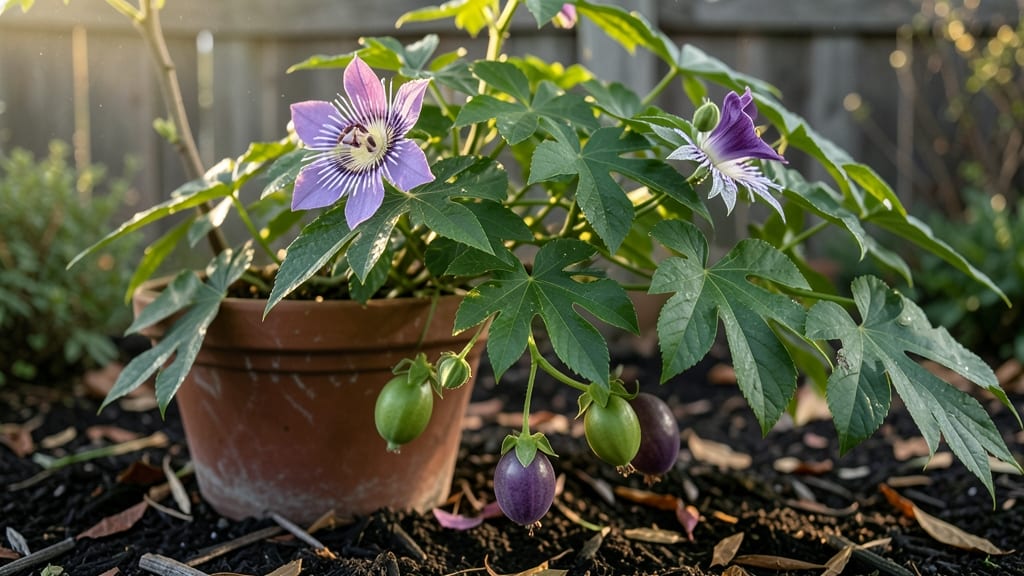
If you're growing passionfruit 🍈 and wondering when do passionfruit flower, the answer depends entirely on your climate zone—but here's the good news: timing is more predictable than you think.
In warm, tropical regions like USDA zones 9b-11, those striking blooms typically appear between late spring and early summer, with purple varieties often leading the way.
For cooler zones (8a+ with protection), flowering usually kicks off in late spring after the last frost, though it can stretch into early summer if temperatures stay mild. The key? Consistent warmth and sunlight—passionfruit vines need at least 6 hours of direct sun daily to trigger those vibrant flowers.
But here’s the catch: variety matters. Yellow passionfruit often bloom slightly later than purple, and some tropical hybrids may flower year-round in ideal conditions. If your vine isn’t cooperating, we’ll cover how to encourage blooms—from pruning tips to the right fertilizer schedule.
Let’s break down the exact months for your zone, plus what to watch for if your passionfruit vine is playing hard to bloom. You’ll soon be on your way to a harvest of sweet, tropical fruit!
Passionfruit flowering timeline by USDA climate zones
Timing is everything when growing passionfruit vines, especially since they thrive in USDA zones 9-11. In these warm climates, flowering patterns shift between tropical and subtropical regions, with temperature playing a key role.
Purple passionfruit (Passiflora edulis) typically blooms earlier than yellow varieties, but both follow seasonal cues tied to heat and daylight.
In zone 11—the hottest and most tropical—passionfruit vines can flower year-round, though peaks occur during spring and fall. Cooler subtropical zones (9-10) see more pronounced seasonal blooms, usually starting in late winter to early spring and continuing through summer.
Understanding these patterns helps you anticipate blooms and adjust care accordingly.
Temperature thresholds matter: vines need consistent warmth above 60°F (15°C) to trigger buds. In zone 9, cooler winters may delay flowering until March or April, while zone 11 vines might bloom as early as January or February.
Humidity also influences flowering—drier conditions can stress vines and reduce bloom production.
Here’s a quick reference for month-by-month flowering by zone, including key tips to encourage blooms:
In zone 9, where winters are milder but still cooler, passionfruit vines often enter a dormant-like state and may not flower until temperatures rise above 65°F (18°C). This usually happens in March or April, with a secondary bloom in fall if conditions remain favorable.
Pruning in late winter removes old wood and stimulates new growth, which is critical for spring blooms.
Zones 10 and 11 offer more consistent warmth, allowing for year-round flowering, though peaks align with longer daylight hours in spring and fall. In these zones, vines may produce two major bloom cycles: one in early spring and another in late summer.
For example, in zone 10, you might see flowers as early as February, while zone 11 vines can bloom in January if protected from cold snaps.
Temperature fluctuations can disrupt flowering. If your vine experiences unexpected cold snaps below 50°F (10°C), buds may drop. To mitigate this, use frost cloth or grow vines near south-facing walls to absorb heat.
In zone 9, where frost is rare but possible, mulching heavily in winter helps maintain root zone warmth.
Light also plays a role: passionfruit vines need 6+ hours of sunlight daily to flower. In shadier microclimates (e.g., under trees), blooms may be sparse. If your vine isn’t flowering, check its location—relocating to a sunnier spot can trigger buds within 4–6 weeks.
Pair this with a balanced fertilizer (10-10-10) applied in early spring to support bloom production.
Finally, variety matters. Purple passionfruit (Passiflora edulis) tends to flower earlier than yellow varieties (Passiflora edulis flavicarpa), which may wait until late spring in cooler zones.
If you’re growing both, expect staggered blooms—purple first, followed by yellow. This diversity can extend your harvest season and ensure continuous fruit production.
By aligning your care with these zone-specific timelines, you’ll maximize blooms and set your vine up for a bountiful harvest. Keep an eye on your plant’s cues—healthy leaves, vigorous new growth, and the appearance of buds are all signs
Signs your passionfruit vine is ready to flower (and how to speed it up)
Your passionfruit vine is about to burst into stunning blooms when you spot these key growth signals. First, watch for new shoots emerging from the base or along established vines—these are called suckers and indicate vigorous growth, which precedes flowering.
In tropical zones (9b-11), these shoots often appear in late winter or early spring, while cooler zones (8a+) may see them in late spring after frost danger passes.
Next, examine the leaf color and size. Healthy, mature leaves should be deep green and 3-5 inches long, with a slightly waxy texture. If your vine has lighter green or yellowing leaves, it may need more sunlight or nutrients, which can delay blooming.
Passionfruit vines also produce small, hairy buds along the stems—these are your first visual cue that flowers are on the way.
🌱 5 Key Signs Your Passionfruit Vine Is Ready to Flower
- New shoots (suckers) emerging from the base or stems—3+ inches long.
- Deep green, glossy leaves (3-5 inches long) with no yellowing or spots.
- Small, hairy buds forming along the vine’s main stems or side branches.
- Vine reaches 6+ feet tall with a sturdy trellis support (maturity indicator).
- Morning sunlight triggers buds to open within 7-10 days of appearance.
To speed up flowering, prioritize pruning in late winter or early spring. Cut back overgrown vines by one-third to encourage new growth and redirect energy toward blooms. Use clean, sharp shears and remove any dead or diseased branches first.
After pruning, apply a balanced fertilizer (10-10-10) to provide essential nutrients like phosphorus, which promotes flowering.
Sunlight is another critical factor. Passionfruit vines need 6+ hours of direct sun daily, but too much midday heat (above 90°F) can stress the plant. If your vine is in a hot climate, provide afternoon shade with a sheer curtain or lattice.
In cooler zones, extend the growing season with a cloche or row cover to protect young buds from late frosts, which can kill emerging flowers.
Finally, water deeply but infrequently—passionfruit vines hate soggy roots. Aim for 1-2 gallons per plant every 3-5 days, watering at the base of the vine in the morning. Avoid wetting the leaves to prevent fungal diseases like powdery mildew, which can weaken the vine and delay blooming.
With these adjustments, you’ll see those exotic, fragrant flowers within 4-8 weeks!
Once flowers appear, hand-pollinate them by gently shaking the vine in the morning to spread pollen. This step is especially important if you’re growing self-pollinating varieties like 'Purple Passionfruit' or 'Golden Passionfruit' in areas with low bee activity. Happy growing—your passionfruit harvest is just around the corner! 🌷