
Flowers
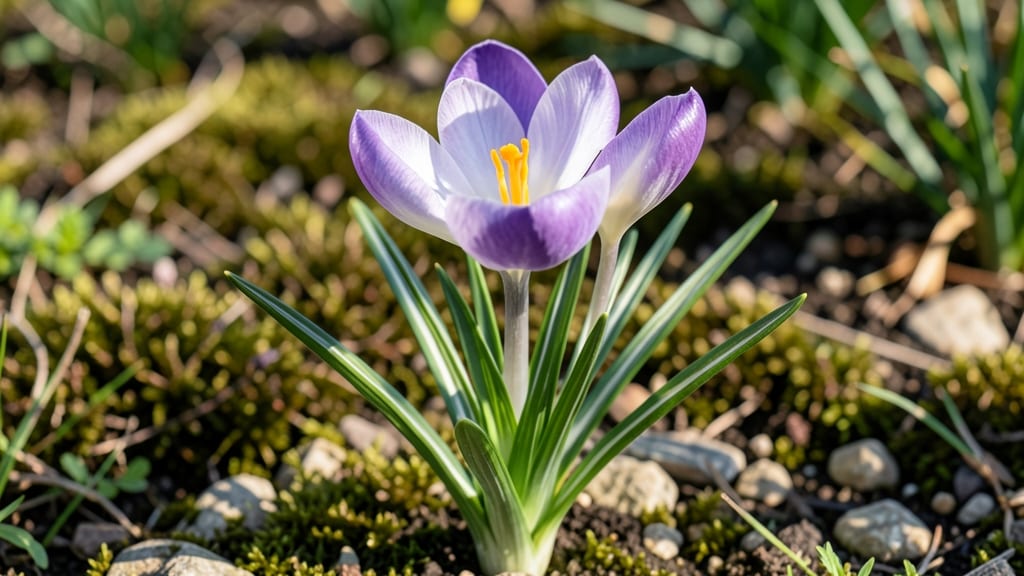
If you’ve ever spotted those cheerful 🌷 crocus blooms peeking through snow or early spring soil, you might be surprised to learn their exact flowering window depends on where you live.
In USDA Zone 6a, these tiny but mighty flowers typically burst into color between late February and early April, but timing shifts dramatically depending on your region.
The secret to predicting when your crocus will bloom lies in understanding your local climate and bulb variety. Some varieties, like the early Crocus vernus, may appear as soon as January in warmer zones, while others wait until April.
Even in the same neighborhood, microclimates can push blooms weeks earlier or later.
What’s most exciting is that you can actually influence when these flowers make their debut. By adjusting planting depth or choosing specific varieties, you might coax blooms as early as December—or delay them until May. The key is knowing how to work with your zone’s frost patterns and soil conditions.
Whether you’re a patient gardener waiting for spring’s first color or someone who wants to extend the blooming season, this guide will help you time your crocus planting perfectly.
Let’s dive into the exact months and proven strategies to ensure your garden gets the earliest—and longest—display of these cheerful harbingers of spring.
Crocus bloom timing by USDA Zone: exact months for peak flowering
Crocus flowers are nature's early spring messengers, often breaking through snow or frost to announce warmer days ahead. But their exact bloom timing varies dramatically depending on your USDA hardiness zone.
In colder zones, you might see flowers as early as February, while warmer climates enjoy blooms into late April. Understanding these patterns helps you plan for frost protection and maximize your crocus display.
The key to predicting crocus blooms lies in your zone's average last frost date and the specific crocus variety you're growing. Early bloomers like Crocus vernus often appear 2-3 weeks before late varieties such as Crocus tommasinianus.
Even within the same zone, a 10-degree temperature difference can shift bloom times by 1-2 weeks.
Here's how to use this guide: Find your zone in the table below, then note the peak bloom window and frost risk period. For example, gardeners in Zone 5 should protect blooms until mid-April, while Zone 9 gardeners can enjoy extended flowering through early May.
Remember that fall-planted bulbs need 6-8 weeks of cold dormancy to bloom reliably.
| USDA Zone | Peak Bloom Window | Early Bloomers | Late Bloomers | Frost Risk Period | Cold Requirement |
|---|---|---|---|---|---|
| Zones 3-4 | Mid-March to Early April | Crocus chrysanthus (Feb) | Crocus tommasinianus (Early April) | Until May 10 | 8-10 weeks below 40°F |
| Zones 5-6 | Late February to Mid-April | Crocus vernus (Late Feb) | Crocus laevigatus (Mid-April) | Until April 20 | 6-8 weeks below 40°F |
| Zones 7-8 | Early February to Late April | Crocus speciosus (Early Feb) | Crocus cancellatus (Late April) | Until April 25 | 4-6 weeks below 40°F |
| Zones 9-10 | January to Early May | Crocus sativus (Jan) | Crocus biflorus (Early May) | Until May 10 | 2-4 weeks below 50°F |
In Zones 3-4, where winters are harsh, crocus bulbs often need additional snow cover to protect emerging blooms from late frosts. I've found that planting white crocus varieties first signals spring's arrival when other plants remain dormant.
The 10-day window between early and late bloomers in these zones creates a stunning sequential display if you mix varieties.
Gardeners in Zones 5-6 experience the most dramatic crocus blooms because they often coincide with spring equinox timing. This makes crocus an excellent early pollinator food source for bees emerging from winter.
The late March to early April window here is particularly critical—any frost after April 10 can damage tender blooms, so I always monitor local forecasts and have frost cloth ready.
Warmer Zones 7-8 offer the longest crocus season, with some varieties blooming as early as January if planted in sheltered microclimates. In my Zone 7b garden, I've successfully extended blooms into May by choosing late varieties and providing afternoon shade during heatwaves.
The 30-day difference between early and late bloomers here creates a near-continuous display.
Southern gardeners in Zones 9-10 can enjoy crocus blooms year-round with careful variety selection. While most varieties need some cold period, Crocus sativus (saffron crocus) often blooms in January after mild winters.
I've learned that fall-planted bulbs in these zones sometimes bloom twice—once in winter and again in spring—though this requires perfect drainage conditions to prevent rot.
One surprising factor affecting bloom timing is bulb planting depth. Shallow planting (3 inches deep) encourages earlier blooming, while deeper planting (5 inches) delays flowers by 1-2 weeks.
This technique lets you stagger blooms across your garden. For example, I plant some bulbs at 3-inch depth for February blooms and others at 5-inch depth for April color.
Remember that soil temperature matters more than air temperature for crocus blooming. Bulbs typically need 60°F soil to break dormancy. In Zone 5, this often happens by mid-March, while Zone 9 soils may reach this temperature as early as January.
You can check soil temps with a soil thermometer inserted 4 inches deep.
For gardeners in transitional zones like Zone 6b-7a, I recommend planting crocus in containers that can be moved to protected microclimates during late frosts. A south-facing wall or underneath deciduous trees (which haven't leafed out yet) provides 5-10°F of temperature protection compared to open garden beds.
How to extend crocus season: proven tips for earlier or later blooms
Want to see those vibrant crocus blooms weeks—or even months—earlier than usual? The secret lies in how and when you plant them. Most gardeners assume crocus only bloom in early spring, but with the right techniques, you can push blooms as early as December or delay them until May.
The key is understanding how planting depth, bulb selection, and seasonal triggers influence flowering times.
For example, planting bulbs shallower than 3 inches can trigger earlier blooms, while deeper planting delays them. Similarly, choosing specific crocus varieties—like the early-blooming Crocus tommasinianus or late Crocus vernus—lets you fine-tune your garden’s color timeline.
Let’s explore these proven strategies to extend your crocus season and enjoy their cheerful faces for longer.
5 Proven Ways to Adjust Crocus Blooming Times
- Plant depth: Shallow (2-3 inches) = earlier blooms; deep (5+ inches) = later blooms.
- Fall planting: Plant in September-October for spring blooms; plant in November for delayed spring blooms.
- Bulb selection: Crocus tommasinianus blooms earliest; Crocus vernus blooms latest.
- Sunlight exposure: Full sun (6+ hours) speeds up blooming; partial shade delays it slightly.
- Spring planting: Plant after last frost for late-spring blooms (e.g., April-May).
One of my favorite tricks is planting a mix of early and late bloomers in the same bed. For instance, I plant Crocus chrysanthus (early) and Crocus speciosus (late) just a few inches apart.
This creates a staggered bloom effect that lasts from February through April. The early varieties pop through snow, while the late ones brighten up the garden as temperatures rise.
If you’re in a warmer USDA Zone (7-10), you can even coax crocus to bloom in late fall. Plant bulbs in October-November and they’ll often push through the soil by December, especially if you choose varieties like Crocus laevigatus.
Just be sure to protect them from hard freezes with a light layer of mulch or straw.
For gardeners in cooler zones (3-6), focus on planting depth and timing. Deeper planting (4-5 inches) can delay blooms until April or May, which is perfect if you want to avoid early frost damage.
I’ve also found that planting in partial shade (like under deciduous trees) can slightly delay blooming, giving you more control over when the color appears.
Don’t forget that well-draining soil is non-negotiable for extending the season. Crocus bulbs rot quickly in soggy conditions, which can kill them before they bloom. Amend your soil with sand or perlite if it’s heavy clay, and always plant in a spot with good drainage.
A little extra effort here ensures your bulbs stay healthy and keep blooming year after year.
With these strategies, you can turn your garden into a year-round crocus show, from late fall to late spring. Start experimenting with planting times and varieties this fall, and you’ll be rewarded with a longer, more vibrant display of these tiny but mighty flowers. Happy planting!