
Blooming
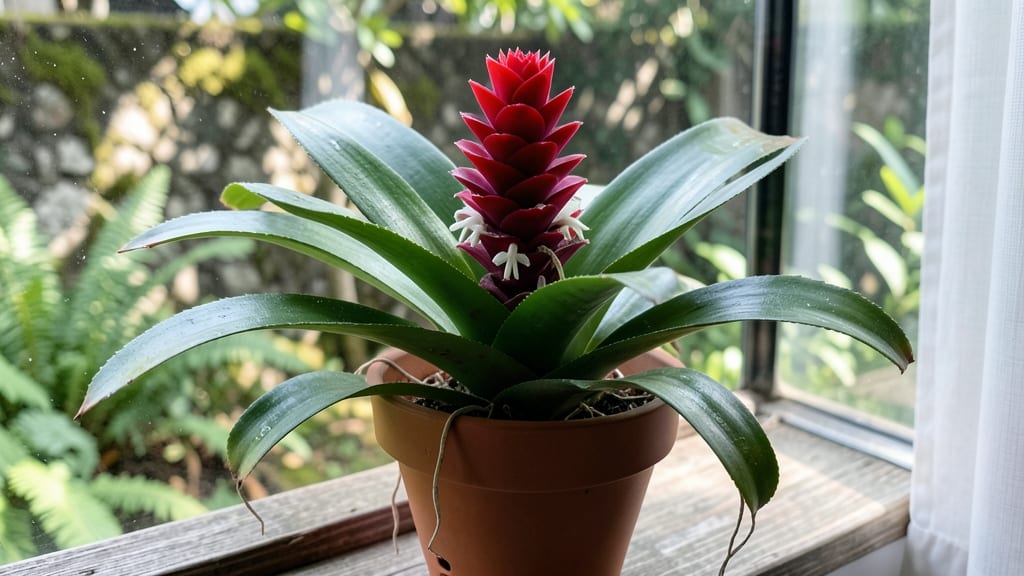
If your bromeliad 🌺 has been sitting pretty with just lush leaves but no flowers, you’re not alone—these tropical plants follow a precise, often surprising schedule for blooming. The timing depends on their species, age, and even the conditions you provide, which can mimic their wild jungle triggers.
Understanding these factors is the key to finally seeing that stunning flower spike emerge.
Most bromeliads take 1-5 years to flower, depending on whether they’re once-in-a-lifetime bloomers or reblooming varieties. Some, like Aechmea or Guzmania, may surprise you with a second bloom if cared for properly.
The secret lies in replicating their natural environment—think temperature shifts, humidity, and light cues that signal it’s time to flower.
You might be missing subtle signs your bromeliad is about to bloom, like a tight center or a new spike forming. I’ll walk you through the environmental triggers that force these plants into action, plus common mistakes that keep them from flowering.
Let’s unlock the mystery behind your bromeliad’s blooming timeline.
Whether you’re a patient gardener or eager for instant results, this guide will help you predict—and encourage— those breathtaking flowers. Ready to transform your leafy bromeliad into a showstopper? Let’s get started.
How bromeliad flowering time varies by species and growth stage
Bromeliads are famous for their dramatic, long-lasting blooms—but when they’ll flower depends entirely on the species and growth stage. Unlike annuals that bloom yearly, most bromeliads flower once in their lifetime, typically after reaching maturity.
However, some varieties can rebloom under ideal conditions, making timing everything for gardeners eager to see those vibrant spikes.
The leaf rosette is your best indicator of readiness. A fully mature rosette—usually 12-18 inches wide—signals the plant is primed to flower. For example, Guzmania varieties often bloom after 2-3 years of growth, while Aechmea species may take 3-5 years to reach flowering age.
Understanding these timelines helps set realistic expectations and avoid frustration.
| Species | Mature Size | Typical Age to Bloom | Bloom Duration | Reblooming? |
|---|---|---|---|---|
| Aechmea fasciata | 1-2 ft | 3-5 years | 6-8 weeks | No |
| Guzmania lingulata | 1-1.5 ft | 2-3 years | 8-12 weeks | Rarely |
| Vriesea splendens | 2-3 ft | 4-6 years | 10-14 weeks | No |
| Neoregelia carolinae | 1-1.5 ft | 3-4 years | 4-6 weeks | No |
| Guzmania musaica | 1-2 ft | 2-3 years | 6-10 weeks | Yes (with pups) |
Aechmea species like Aechmea fasciata (Urn Plant) are classic examples of once-in-a-lifetime bloomers. These plants focus all their energy on producing a single, showstopping inflorescence before slowly dying back. The good news? They send out pups (offspring) at the base, which can be separated and grown into new plants—effectively giving you a "rebloom" in future seasons.
On the other hand, Guzmania varieties like Guzmania lingulata often bloom slightly earlier, around 2-3 years of age. Their flowers last longer—sometimes 8-12 weeks—and the bracts (the colorful part we admire) can outlast the actual flower spike.
This makes them a favorite for long-term indoor displays, as they maintain their vibrant colors even after the primary bloom fades.
For Vriesea species, like the Vriesea splendens (Fireworks Bromeliad), patience is key. These towering beauties can take 4-6 years to mature and flower, but the wait is worth it. Their arching flower spikes can reach 2-3 feet tall and produce clusters of tiny, star-shaped blooms that last 10-14 weeks.
The trade-off? They rarely rebloom, so treat each flowering cycle as a rare, spectacular event.
If you’re growing bromeliads for their foliage first, varieties like Neoregelia carolinae are excellent choices. These plants bloom 3-4 years after planting, but their color-changing leaves (from green to pink or red) make them prized even when not in bloom.
Their flowers are subtle but long-lasting, typically 4-6 weeks, and the plant’s overall health remains robust for years afterward.
One common misconception is that all bromeliads flower simultaneously with their siblings. In reality, even plants of the same species and age may bloom 6-12 months apart due to individual growth rates.
For example, two Guzmania musaica plants grown side by side might flower a year apart—one in spring and the other in summer. This variability is normal and tied to environmental cues like temperature shifts or light exposure.
To encourage timely blooming, focus on creating consistent growing conditions. Bromeliads thrive in bright, indirect light and humidity levels above 50%. A temperature drop of 10-15°F at night can also trigger flowering in some species, mimicking their natural jungle cycles. For instance, moving your Aechmea
5 Key environmental triggers that force bromeliads to flower
Bromeliads don’t bloom on a whim—they respond to specific environmental cues that mimic their jungle origins. In the wild, these plants detect seasonal changes through shifts in temperature, humidity, and light intensity.
Replicating these triggers at home can coax even stubborn bromeliads into flowering. The key is understanding which factors act as "go signals" and how to adjust them safely—without causing permanent stress.
For example, a 10°F drop in nighttime temperatures (from 75°F to 65°F) can trigger blooming in Guzmania varieties, while Aechmea species often need increased humidity to mimic the tropical rainforest conditions they crave.
These aren’t just guesses—they’re rooted in how bromeliads evolved to conserve energy and flower only when conditions are ideal for survival. Let’s break down the five most effective triggers and how to use them.
Drop night temps by 10-15°F for 2-3 weeks to mimic seasonal shifts. Ideal range: 65-75°F nights, 75-85°F days.
Increase humidity to 60-80% using a humidity tray or misting. Critical for Vriesea and Neoregelia species.
Move to bright indirect light (4-6 hours of morning sun). Avoid harsh afternoon rays that scorch leaves.
Temporarily reduce water or light for 2-4 weeks (not permanent!). Use only on mature plants with 12+ leaves.
Place near a ripening apple or use ethylene-releasing powder (1 tsp per gallon of water) to mimic fruit-induced blooming in wild bromeliads.
The temperature trick is my go-to for Guzmania plants. Last spring, I placed my Guzmania lingulata near a south-facing window at night and kept it cooler with a fan. Within 3 weeks, the flower spike emerged—something it hadn’t done in 2 years!
The secret? Replicating the cool mountain nights of its native habitat. For Aechmea varieties, I’ve had success with humidity trays filled with pebbles and water, keeping the air consistently moist.
Now, let’s address the controversial stress method. Yes, depriving bromeliads of water or light can trigger blooming—but it’s risky. Only use this on mature plants (3+ years old) and never for more than 4 weeks. I’ve seen beginners overdo it, causing leaf drop or rot.
Instead, try a gradual reduction: move the plant to a shadier spot or water it every 10 days instead of weekly. Monitor closely for signs of stress (yellowing leaves, wilting) and return to normal care if you push too far.
Ethylene gas is another underrated trigger. Bromeliads in the wild often bloom after fruit falls nearby, releasing ethylene—a natural plant hormone. You can mimic this by placing a ripening apple or banana near your bromeliad for 1-2 weeks.
Pro tip: Use a paper bag to contain the gas if your space is drafty. I’ve seen Vriesea species respond dramatically to this method, with bright pink inflorescences appearing within 2-3 weeks.
Remember, these triggers work best when combined. For example, pair temperature drops with increased humidity and a light boost for maximum effect. Start with one trigger at a time to isolate which works best for your specific bromeliad variety.
Patience is key—some plants need 6-8 weeks to respond, while others may take months. Track your results in a gardening journal to refine your approach over time.
Finally, avoid the temptation to over-manipulate conditions. Bromeliads are resilient but sensitive to extreme changes. If your plant shows signs of distress (like brown tips or mushy leaves), back off immediately.
The goal is to mimic nature, not shock your plant. With the right balance, you’ll unlock those showstopping blooms—and maybe even coax a second flower from reblooming varieties! 🌺