
Companion Plants
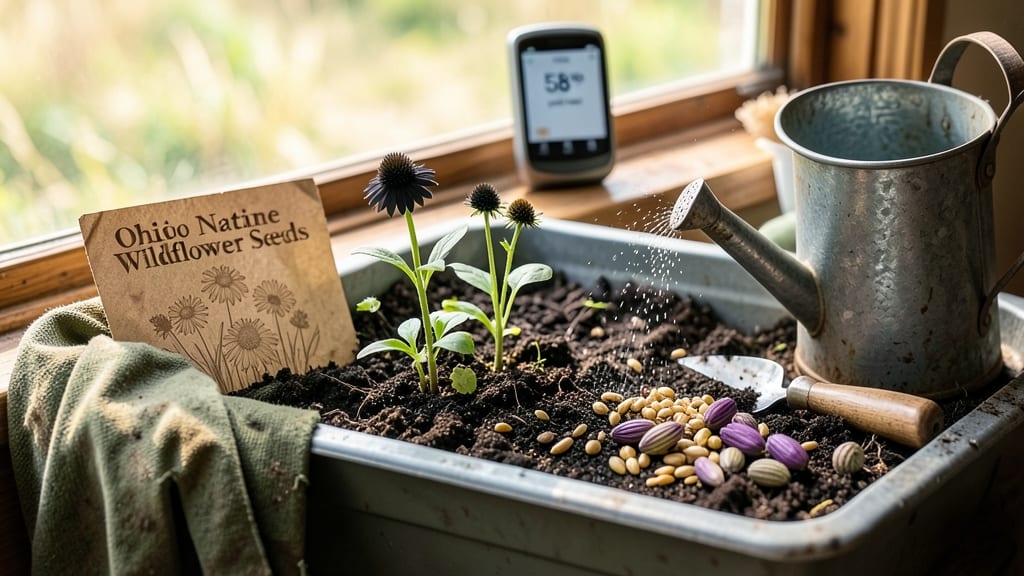
Planting wildflower seeds in Ohio at the wrong time can mean the difference between a vibrant meadow and a sad investment in birdseed. The key window opens when the soil warms to 50°F—typically after your last frost date, which in USDA Zone 6a usually lands around mid-April.
But here’s the catch: Ohio’s spring weather is famously unpredictable, and rushing too early can leave your seeds vulnerable to frost or drought. I’ll walk you through the exact timing—whether you’re sowing in early spring or early fall—and how to check your local frost dates using free NOAA tools.
Timing isn’t just about dates—it’s about giving your wildflowers 🌼 the best chance to thrive. Learn how to prepare your soil, choose the right varieties for your zone, and avoid the mistakes that turn promising seeds into a patchy disappointment.
By the end, you’ll know exactly when to plant for maximum blooms, plus how to extend your growing season for year-round color. Let’s get those seeds in the ground the right way!
Ohio wildflower planting timeline by USDA Zone (5 vs 6)
Ohio’s USDA Zones 5 and 6 share similar climates but have critical timing differences for wildflower seeds. Zone 5’s later last frost dates (around April 22) mean you’ll need to wait longer than Zone 6 (typically April 15) before planting.
These dates aren’t just guidelines—they’re your garden’s lifeline for avoiding frost damage to tender seedlings.
Most wildflower seeds need soil temperatures of at least 50°F to germinate, but rushing too early can leave them vulnerable to late frosts or drought stress.
I’ve planted wildflowers for years in both zones and learned that fall planting (September-October) often yields better results than spring—especially in Zone 5 where summers can be unpredictable. Let’s break down the exact windows for each zone.
The NOAA Climate Data website offers free, localized frost date reports. Simply enter your ZIP code to see your average last frost date—this is more accurate than general zone guidelines.
For example, Columbus (Zone 6a) typically sees its last frost by April 10, while Toledo (Zone 5b) may not reach safety until April 25. These differences matter when choosing your planting window.
| Factor | USDA Zone 5 | USDA Zone 6 | Key Notes |
|---|---|---|---|
| Last Frost Date | April 22 | April 15 | Verify via NOAA for your exact location |
| Ideal Spring Planting Window | May 1-15 | April 15-May 1 | Soil must stay above 50°F for 7+ days |
| Fall Planting Window | September 15-October 10 | September 1-October 5 | Seeds need 4-6 weeks to establish roots before frost |
| Soil Temperature Threshold | 50°F minimum | 50°F minimum | Use a soil thermometer to confirm readiness |
| Microclimate Adjustments | Wait 2-3 weeks longer in valleys | Plant hillsides 1 week earlier | South-facing slopes warm faster |
| Common Mistake | Planting too early | Skipping fall planting | Both lead to poor germination rates |
Zone 5 gardeners should prioritize fall planting (September-October) because spring’s unpredictable weather often delays safe planting until May. The 6-week window between your last frost and summer heat gives seeds time to germinate without drying out.
For example, black-eyed Susans and coneflowers planted in fall often bloom earlier the following year.
In Zone 6, you have a slightly earlier window—April 15-May 1—but don’t be fooled into thinking you can plant anytime after the last frost. Soil temperature is more critical than air temperature.
I’ve seen seeds planted in 55°F soil germinate just fine, but 45°F soil can leave them dormant for weeks. Always check with a soil thermometer before planting.
Microclimates play a huge role in Ohio’s planting success. If you’re in a valley or low-lying area (common in Zone 5), wait 2-3 weeks longer than the average frost date—cold air pools in these spots.
Conversely, south-facing slopes (especially in Zone 6) can be 2-3 weeks earlier because they warm faster. Observe your garden’s behavior for at least 3 years to identify these patterns.
One of my biggest lessons? Fall planting is underrated in Ohio. While spring planting gets all the attention, fall-sown seeds often establish better roots before winter and emerge stronger in spring. For Zone 5, aim for September 15-October 10—this gives seeds time to germinate before the first hard frost.
In Zone 6, you have until October 5, but don’t wait too late or seeds may not have enough time to root.
To verify your exact planting window, visit the NOAA Climate Data website and search for your local weather station. Look for the 30-year average last frost date—this is your baseline. Then adjust based on your garden’s microclimate.
For example, if your yard is in a frost pocket, add 7-10 days to the average date. This precision makes all the difference between a thriving wildflower meadow and a <
5 Critical factors that determine your planting success in Ohio
Timing your wildflower seeds isn’t just about checking a calendar—it’s about understanding your garden’s microclimate. Ohio’s USDA Zones 5 and 6 have subtle differences, but both require soil temperatures above 50°F for optimal germination.
I’ve planted wildflowers for years in Zone 6a, and I can tell you: rushing too early is the fastest way to disappointment.
Beyond frost dates, you need to consider moisture consistency, sunlight exposure, and even soil pH levels. Skipping these checks often means seeds either rot or fail to sprout.
The good news? Testing these factors is easier than you think—and I’ll show you exactly how to do it with simple tools you likely already have at home.
Let’s break down the five critical factors that separate a thriving wildflower meadow from a patchy, underwhelming result. Each one plays a role in ensuring your seeds get the perfect start.
🌱 Numbered Highlights: Ohio Wildflower Planting Checklist
- Soil Temperature: Wait until soil reaches 50°F+ (use a soil thermometer or dig 2" deep—warm to touch). Early spring soil is often too cold for germination, even if air temps feel mild.
- Moisture Balance: Seeds need consistent moisture but won’t tolerate soggy soil. Test by pressing your finger 1" deep—soil should feel damp, not muddy. A light rain forecast is ideal for sowing.
- Sunlight Exposure: Most Ohio wildflowers need 6+ hours of sun. Use a sunlight tracker app (like Sun Surveyor) to map your garden’s light patterns. Shady spots? Choose partial-sun varieties like black-eyed Susans.
- Soil pH: Wildflowers prefer neutral to slightly acidic soil (pH 6.0–7.0). Test with a DIY pH kit ($5 at garden centers). Amend with lime (to raise pH) or sulfur (to lower pH) if needed—do this 2 weeks before planting.
- Frost Risk: Even after the last frost, late-night frosts can occur in Ohio until mid-May. Use frost cloth for early spring plantings or opt for fall sowing (September) to avoid this risk entirely.
⚠️ Pro Tip: Combine these checks with a 7-day weather forecast—aim to plant when rain is predicted within 24 hours to ensure seeds stay hydrated.
One of the biggest mistakes I see is gardeners planting based on air temperature alone. Soil temperature can lag behind by 1–2 weeks, especially in Ohio’s clay-heavy soils. Use a soil thermometer (or your elbow—if it’s too cold to keep your arm in the soil for 10 seconds, wait).
For fall planting, focus on sowing 6–8 weeks before your first frost (typically late September in Ohio). This gives seeds time to germinate and establish roots before winter.
I’ve had coreopsis and goldenrod thrive when planted in early October—just don’t let them sprout too early, or they’ll bolt in the heat.
Finally, don’t overlook shade tolerance. Even full-sun wildflowers like coneflowers can struggle in <4 hours of sun. If your garden is partially shaded, mix in shade-tolerant varieties like wild bergamot or purple giant hyssop. A quick light audit of your space can save you from buying seeds that won’t perform.
By mastering these five factors, you’ll transform your Ohio garden into a low-maintenance pollinator paradise—no guesswork required. Grab your tools, check the conditions, and those wildflower seeds will thank you with bold blooms all season long.