
Watering
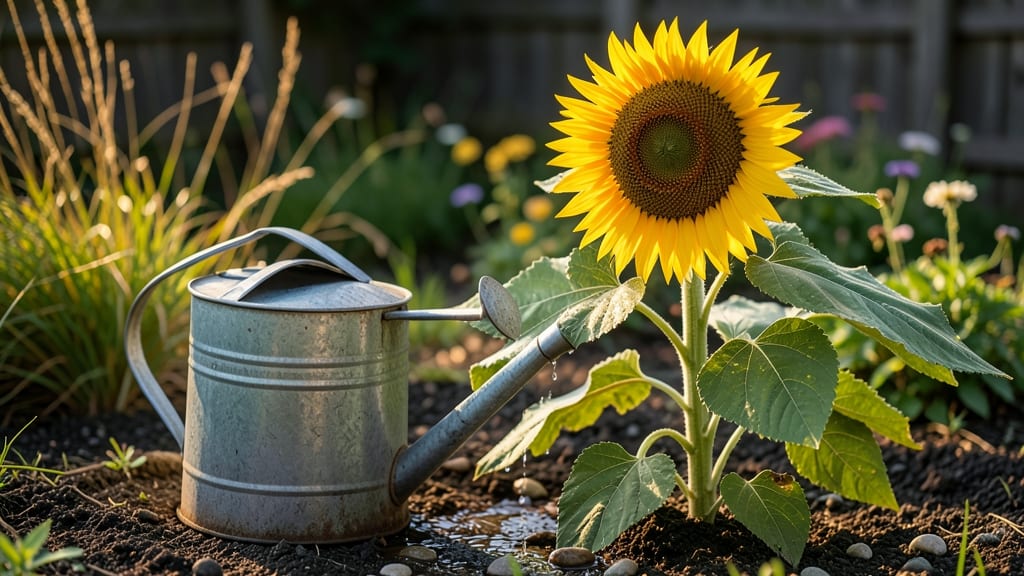
If you’ve ever watched a sunflower stretch toward the sky like a towering skyscraper, you’ll know these plants thrive on the right water needs—a balance that turns their potential into reality. But behind their impressive height lies a secret weapon: the right amount of water at the right time.
Most gardeners assume sunflowers are low-maintenance, but their water needs actually shift dramatically from seedling to full bloom. Too little, and their roots struggle; too much, and they’ll rot before they reach their full potential.
I’ve tested the best practices over years of growing sunflowers in USDA Zone 6a, and what I’ve learned will save you time, water, and frustration.
Here’s the game-changer: young sunflowers need consistent moisture, while mature plants can handle drought surprisingly well. I’ll break down exactly how much to water, when to adjust for heatwaves, and how to spot the subtle signs of over- or under-watering before they become problems.
Whether you’re planting in April or battling summer dry spells, these drought-proofing secrets will keep your sunflowers thriving—no guesswork required.
How much water do sunflowers need per week?
Sunflowers might look like they can handle anything, but their water needs change dramatically from seedling to full bloom. Too little water stunts growth, while too much causes root rot—especially in heavy clay soil.
The key is understanding their hydration needs at each stage to avoid common mistakes. I’ve grown sunflowers in both arid climates and humid regions, and the difference in watering strategies is night and day.
For young seedlings, consistent moisture is critical because their roots are shallow and delicate. Once established, sunflowers become surprisingly drought-tolerant, but that doesn’t mean you should neglect them.
The flowering stage is particularly sensitive—this is when they need the most water to support their massive blooms and seed heads. Let’s break down exactly how much water sunflowers need each week, based on their growth phase.
Soil moisture is the best indicator of when to water. Stick your finger 2-3 inches into the soil—if it feels dry, it’s time to hydrate. For container-grown sunflowers, the soil dries out faster, so check daily. In well-draining garden beds, you can stretch watering intervals slightly. The goal is to keep the soil evenly moist without turning it into a swamp.
| Growth Stage | Water Needs (Per Week) | Frequency | Soil Moisture Goal | Notes |
|---|---|---|---|---|
| Seedling (0-4 weeks) | 1-1.5 gallons per plant | Every 2-3 days | Consistently moist | Shallow roots; avoid drying out |
| Vegetative (4-8 weeks) | 2-3 gallons per plant | Every 4-5 days | Moist but not soggy | Deep watering encourages root growth |
| Flowering (8-12 weeks) | 3-4 gallons per plant | Every 3-4 days | Deeply moist | Critical for bud development |
| Mature (12+ weeks) | 2-3 gallons per plant | Every 5-7 days | Moderately dry between waterings | Drought-tolerant; reduce water gradually |
| Drought Conditions | 1-2 gallons per plant | Every 7-10 days | Deeply moist at base | Mulch heavily to retain moisture |
During the seedling stage, sunflowers need frequent watering—about 1-1.5 gallons per plant every 2-3 days. This keeps the soil consistently moist without waterlogging, which can drown young roots. I’ve seen seedlings wilt dramatically within hours if left dry, so this is the most critical phase.
Use a spray bottle or gentle watering can to avoid disturbing the soil around the delicate sprouts.
The vegetative stage (4-8 weeks) is when sunflowers start growing like crazy. Their roots deepen, so you can gradually reduce frequency to every 4-5 days while increasing the amount to 2-3 gallons per plant.
This encourages strong stem development. I recommend watering deeply in the morning to reduce evaporation and fungal risks. If your soil is sandy or fast-draining, you may need to water more often.
When sunflowers enter the flowering stage (8-12 weeks), their water needs peak. They require 3-4 gallons per plant every 3-4 days to support those massive blooms and seed heads. This is also when they’re most vulnerable to wilting if underwatered.
I’ve noticed that sunflowers in hot climates may need daily watering during extreme heat—watch for drooping leaves as a signal to hydrate.
Once mature (12+ weeks), sunflowers become more drought-tolerant. You can reduce watering to 2-3 gallons every 5-7 days, letting the soil dry out slightly between waterings. However, don’t assume they’re low-maintenance—sudden drought stress can cause buds to drop.
In container gardens, mature sunflowers may still need daily checks, as pots dry out much faster than garden beds.
If you’re dealing with drought conditions, sunflowers can survive on 1-2 gallons every 7-10 days, but their growth will slow. To maximize survival, mulch heavily with straw or wood chips to retain moisture.
I’ve grown sunflowers in arid regions using drip irrigation on a timer, which delivers water directly to the roots while minimizing waste. This method is a game-changer for water conservation.
One common mistake I see is watering at night, which promotes fungal diseases like powdery mildew. Always water in the early morning so leaves have time to dry. Another tip: avoid wetting the foliage when possible—direct the water stream at the base of the plant.
For container sunflowers, ensure pots have drainage holes and use saucers to catch excess water.
Pro tip: If your sunflowers start drooping in the
Signs of overwatering vs underwatering in sunflowers
Sunflowers might look tough, but their roots are sensitive to water imbalances. Overwatering or underwatering can stunt growth, cause wilting, or even kill your plants before they bloom. I’ve seen firsthand how yellowing leaves or mushy stems appear when watering goes wrong—both are red flags.
The key to keeping sunflowers healthy lies in understanding their root zone needs. Sunflowers have deep taproots that need consistent moisture but also good drainage. Too much water suffocates roots, while too little causes stress. Let’s break down the visual symptoms so you can act fast.
Watering Balance for Sunflowers
Overwatering
- Yellowing leaves
- Mushy stems
- Fungal growth
- Slow growth
❌ Avoid soggy soil
Underwatering
- Dry, crispy leaves
- Wilting foliage
- Stunted growth
- Drooping buds
✅ Fix with deep watering
✅ Best Practice
- Water deeply
- Check soil moisture
- Use mulch
- Adjust for heat
If your sunflower leaves turn yellow and mushy, it’s a clear sign of overwatering. This happens when roots sit in waterlogged soil, blocking oxygen.
I’ve seen this in heavy clay soil where water pools around the base. The fix? Let the top 2-3 inches of soil dry between waterings.
On the flip side, underwatered sunflowers show dry, crispy edges on leaves and drooping stems. Young plants wilt quickly in hot weather, but mature sunflowers can handle drought better once established. If you see wilting, water deeply at the base of the plant in the morning to avoid evaporation.
For root health, always water at the soil level—not the leaves—to prevent fungal diseases like powdery mildew. I’ve found that using a moisture meter or sticking your finger 2 inches deep into the soil helps gauge when to water.
Adjust your schedule based on weather conditions—hotter days mean more frequent watering.
Pro tip: Mulch around sunflowers with straw or wood chips to retain moisture and regulate soil temperature. This simple step cuts down on watering needs by up to 30% while keeping roots happy. My sunflowers in USDA Zone 6a thrive with this method during summer dry spells.
Remember, sunflowers are resilient, but they need your attention. Monitor soil moisture, adjust watering as they grow, and watch for early signs of stress. With the right balance, your sunflowers will reach for the sky—no guesswork required. 🌻