
Planting
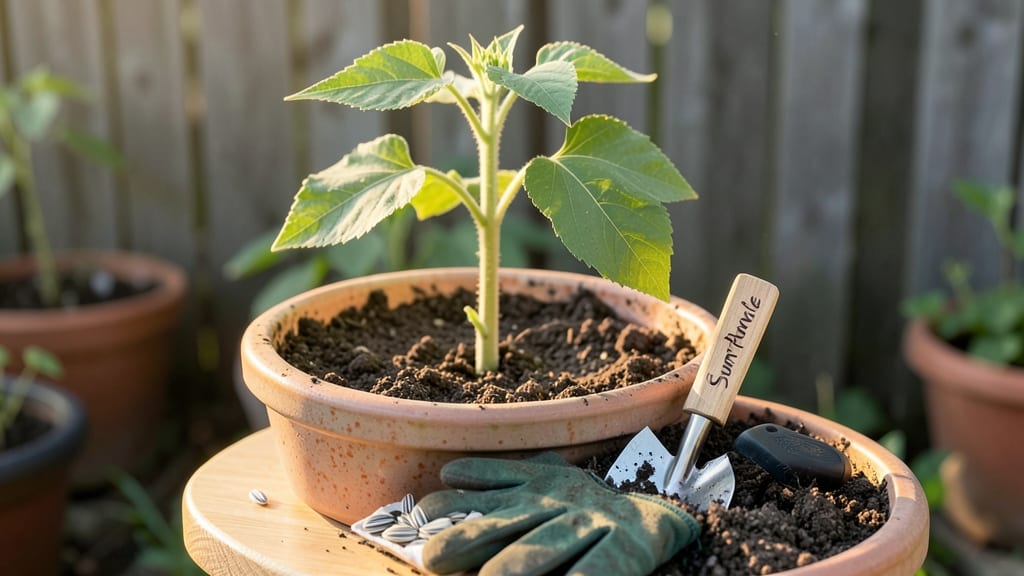
Timing your sunflower planting just right could mean the difference between a towering 12-foot giant and a struggling 3-foot sapling. These cheerful giants don't forgive rushed starts—they need warmth, patience, and the perfect moment to burst from the soil.
For most gardeners in USDA Zone 6a, the sweet spot arrives in April or May, right after the last frost when soil temperatures hit 50°F.
But here's the catch: late starters in warmer zones can still coax a second crop by sowing in June, while northern growers might need to wait until June to avoid frost surprises.
Whether you're a first-timer or a seasoned grower, getting this timing right isn't just about calendars—it's about reading your soil and climate. I'll walk you through the exact signals to watch for, plus pro tips to give your sunflowers the sturdiest start possible.
Let's dive into how to turn your sunflower dreams into reality, from seed to sky-high bloom. The best time to plant isn't just a date—it's a science you can master.
Optimal sunflower planting time by US hardiness Zones
Sunflowers thrive when planted at the right moment—too early and frost will nip tender sprouts, too late and they'll bolt before reaching their full 12-foot potential. The perfect window depends entirely on your USDA hardiness zone, with soil temperature being the ultimate decider.
In my Zone 6a garden, I've learned that waiting for 50°F soil (not air temperature) is non-negotiable for reliable germination.
Northern gardeners in Zones 2-5 face the toughest timing challenges due to late springs, while those in Zones 8-11 can extend planting well into summer. The key difference? Frost-free dates and soil warmth thresholds that vary by 60 days between regions.
Let's break down exactly when to plant in your zone for maximum height and hardiness.
⚠️ Critical Note: Sunflowers cannot tolerate frost at any growth stage. Even established plants will suffer damage below 28°F. This means your last possible planting window must account for 90 days to maturity for your chosen variety.
In Zones 2-4, where I've seen gardeners struggle the most, planting before May 15 is risky even with row covers. The soil simply stays too cold for germination. I recommend using a soil thermometer—waiting for consistent 55°F+ readings is better than guessing.
For these northern climates, dwarf varieties like 'Teddy Bear' (3-4 feet) are your best bet for reliable blooms.
Gardeners in Zones 5-6 have the most flexibility with a 6-week window from late April to mid-May. This is where my personal experiments show the biggest rewards: planting April 20-30 gives you 12-foot giants by August, while May plantings still produce 8-foot stalks with proper care.
The secret? Succession planting every 2 weeks extends your bloom time by 6 weeks.
Southern gardeners in Zones 7-11 can get creative with timing. In Zone 8, I've successfully grown second crops by planting in late June—the key is choosing fast-maturing varieties (60-70 days) like 'Moulin Rouge' that can complete their life cycle before fall frosts.
For Zones 9-11, consider fall planting in September for winter blooms that attract pollinators when little else is in flower.
One timing hack I've perf
How to time sunflower planting for maximum height and hardiness
Sunflowers thrive when planted at the perfect moment—when soil warmth triggers germination and gives their towering stems the sturdy foundation they need. The key isn't just about dates; it's about soil temperature, seed depth, and spacing that prevent those 12-foot giants from toppling over.
I've learned the hard way that rushing sunflower planting can lead to leggy, weak stalks that flop in the first breeze.
For maximum height and hardiness, aim to plant when your soil reaches at least 50°F (10°C)—this warmth ensures consistent germination. Most gardeners in USDA Zone 6a should wait until mid-April to early May after the last frost, but this varies wildly by region.
The secret weapon? A simple soil thermometer to check those temperatures before committing to planting.
- Soil Temp
Plant when soil reaches 50°F+—use a thermometer for accuracy. Cold soil delays germination and weakens seedlings.
- Seed Depth
Plant seeds 1 inch deep—deeper than this reduces germination rates by up to 40%. Press lightly to ensure soil contact.
- Spacing
Give plants 12-24 inches apart (depending on variety) to prevent lodging—close spacing leads to weak stems that snap in wind.
- Frost Watch
Avoid planting 4-6 weeks before your first frost—sunflowers won't mature in time. Check your local frost-free days to adjust timing.
I've found that dwarf varieties like 'Teddy Bear' can handle slightly cooler soils and earlier planting, while giant types such as 'Mammoth' demand perfect warmth to reach their full 12-foot potential.
The difference in height between properly timed and rushed plantings can be 50% or more—that's the difference between a postcard-worthy sunflower and a sad, stunted plant.
Spacing is often overlooked, but it's critical for hardiness. Crowded sunflowers compete for nutrients, leading to weak stems that lodge (fall over) under their own weight. For standard varieties, space plants 18-24 inches apart, while dwarf types can share space at 12 inches.
This simple adjustment can mean the difference between a sunflower that stands proudly all season and one that flops by July.
Here's my 3-step checklist for adjusting planting dates based on your local climate: First, check your last frost date and count back 70-120 days (depending on variety) to determine your ideal planting window.
Second, verify soil temperature with a thermometer—50°F is non-negotiable for consistent germination. Finally, monitor your local 7-day forecast for any late frosts that could threaten young seedlings.
Don't forget that succession planting can give you a second crop in warmer climates. If you're in Zone 8 or higher, try sowing a second batch in late June or early July for fall blooms.
Just be prepared to harvest seeds before frost hits—these late plants won't have time to mature fully if you wait too long.
Timing your sunflower planting isn't just about following a calendar—it's about reading your soil, understanding your climate, and giving these giants the perfect start.
When you get it right, you'll be rewarded with sunflowers that reach for the sky, stand strong in storms, and bring pollinators to your garden all season long. 🌻