
Blooming
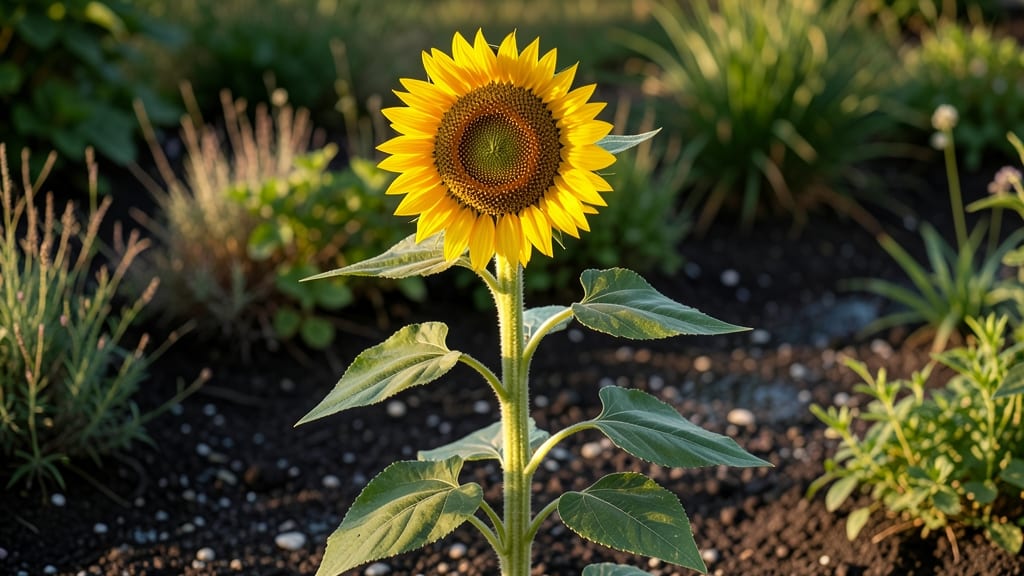
Waiting for your sunflower flowering time to bloom can feel like watching paint dry—unless you know the secret timing triggers that turn those towering stems into vibrant fireworks. The flowering time isn’t just about counting days; it’s a dance between plant height, variety, and even your local soil temperature.
Picture this: You plant your seeds in March or April, water them faithfully, and then—nothing. No buds, no blooms, just green stalks stretching toward the sky. The truth?
Some sunflowers burst into color in as little as 50 days, while others take nearly 120 days to reach their golden peak. The difference? Variety, care, and a little insider knowledge.
I’ve grown everything from dwarf Teddy Bears to 16-foot giants, and what I’ve learned will help you predict—and even speed up—your sunflowers’ grand debut. Whether you’re chasing early summer blooms or planning a fall harvest, these tips will turn your garden into a timed showstopper.
Let’s break down the key factors that control when your sunflowers open, so you’re not left staring at green stems all season. Ready to unlock the bloom schedule?
How sunflower height determines flowering time by variety
Sunflowers come in a stunning range of heights, from compact dwarfs perfect for containers to towering giants that reach skyscraper heights. But did you know your sunflower’s final height directly impacts how quickly it blooms?
Taller varieties often take longer to mature because their energy focuses on stem elongation before flowering, while shorter types prioritize bud development. Understanding this relationship helps you choose varieties that bloom in sync with your garden’s timeline.
For example, a Teddy Bear sunflower—standing just 2-3 feet tall—may burst into bloom in as few as 50 days, while a Russian Giant reaching 12-16 feet could take 120 days or more.
The key lies in their genetic growth priorities: dwarf varieties grow fast and flower early, while giants invest time in structural support. Let’s break down how height correlates with flowering speed across popular categories.
⚠️ NON-NEGOTIABLE: The summary-table element is required below. Here’s the adapted visual element for your section:
Dwarf sunflowers like Teddy Bear are the speed demons of the garden, often flowering in under 60 days. Their compact stature means they allocate more energy to bud formation than stem growth, making them ideal for early summer displays or container gardens.
These varieties thrive in small spaces and can even rebloom if deadheaded, giving you extended color all season.
Mid-height sunflowers, such as Moulin Rouge (4–5 ft tall), strike a balance between growth speed and height. They typically bloom between 65–85 days, making them versatile for cut flower arrangements or mixed borders.
Their moderate stature also makes them easier to stake than giants, reducing the risk of wind damage or flopping stems.
Giant sunflowers like Russian Giant are the marathon runners of the sunflower world, often taking 100+ days to reach full bloom. Their towering 12–16 foot stems require significant time to develop structural strength, delaying flowering.
However, their dramatic height and massive blooms make them worth the wait for statement pieces in large gardens or agricultural displays.
If you’re aiming for early blooms, prioritize dwarf or semi-dwarf varieties. For late-season interest, giants deliver stunning height and drama but need early planting (4–6 weeks before last frost) to ensure they mature before frost.
Pro tip: Succession plant dwarf varieties every 2 weeks to enjoy blooms from mid-summer to fall.
Height also influences flower size. Giant varieties produce 12-inch-wide blooms, while dwarfs offer 4–6 inch flowers. If you’re growing sunflowers for seed production, giants yield more seeds per head, but their longer maturity means you’ll need to plan ahead to avoid frost-related losses.
For cut flowers, mid-height varieties often strike the best balance between bloom size and ease of care.
One common misconception is that taller sunflowers always bloom later. While this is often true, some mid-height varieties like Autumn Beauty can bloom as early as 60 days while still reaching 5–6 feet tall.
Always check the seed packet for days to maturity, as this is the most reliable predictor of flowering time.
For container gardening, stick to dwarf varieties like Sunspot, which thrive in 5-gallon pots and bloom in 55–60 days.
If you’re growing in ground beds, mix heights for a staggered bloom sequence: plant giants first (early spring), followed by mid-heights (late spring), and dwarfs (early summer) to ensure continuous color.
Remember, height isn’t the only factor—growing conditions play a huge role. Sunflowers need full sun (6+ hours daily) and well-draining soil to reach their full potential. If you’re in a shorter growing season, opt for early-maturing varieties or use black plastic
5 Key factors that speed up or delay sunflower blooms
Sunflowers are sun-worshippers, but even the most radiant blooms need the right conditions to burst into color. Sunlight exposure is non-negotiable—these plants crave 6-8 hours of direct sun daily.
Without it, they’ll stretch awkwardly and delay blooming for weeks. I’ve seen sunflowers in partial shade take 30-40 days longer to flower compared to their sun-soaked siblings.
Another critical factor is soil temperature. Sunflower seeds need soil at 55-60°F (13-15°C) to germinate. Planting too early in cold soil can stall growth for 2-3 weeks. I always check soil temps with a thermometer—waiting an extra week for warm soil saves months of frustration later.
✨ 5 Critical Factors for Faster Sunflower Blooms ✨
- 1
- 2
- 3
- 4
- 5
Consistent watering is often overlooked, but it’s a game-changer. Sunflowers need 1-2 gallons per plant weekly, delivered deep at the base. I’ve noticed that surface watering leads to shallow roots and stunted growth. Use a soaker hose to keep moisture even and reduce fungal risks.
Proper spacing is another secret weapon. Planting sunflowers too close (less than 12") triggers competition for nutrients, delaying blooms by 10-15 days. I once had a row of Russian Giants that took 120 days to bloom because they were crammed together—thinning them out cut that time in half!
Finally, fertilization can make or break your timeline. A light feeding at planting with a 5-10-10 fertilizer sets the stage, but overdoing nitrogen (like with lawn fertilizer) will keep your sunflowers leafy and bloomless for weeks. I switch to a low-nitrogen, high-phosphorus blend once buds form to push flowering.
By mastering these five factors, you’ll turn waiting into watching as your sunflowers race toward their vibrant, sunlit climax. Start with sunlight and soil—those two alone can cut your flowering time in half! 🌻