
Flowers
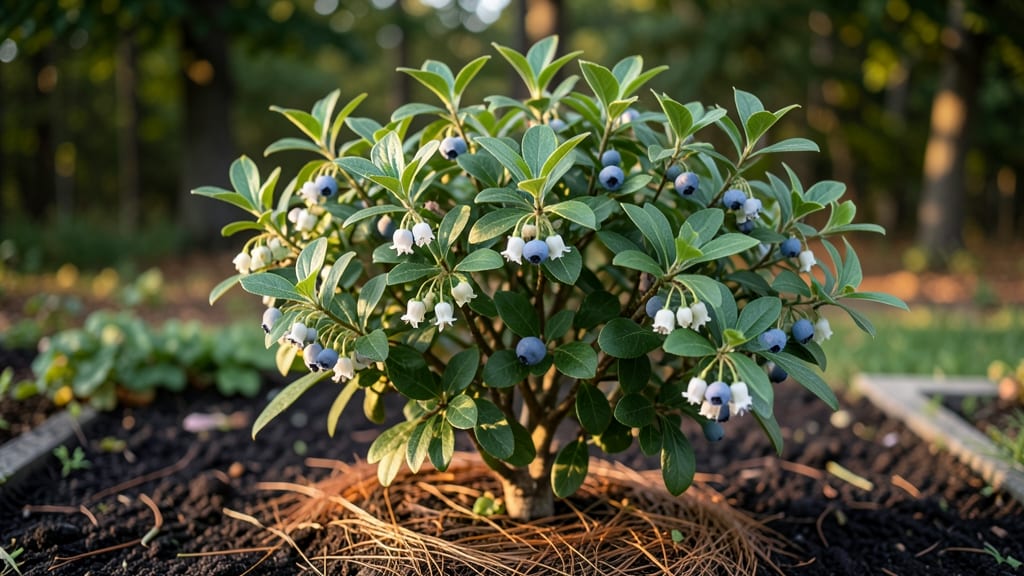
Transforming delicate blueberry flowers 🫐 into sweet, plump fruit isn’t just the stages of blueberry flower to fruit—it’s a 6-12 week process where timing, pollination, and environmental factors decide your harvest’s success.
If you’ve ever watched your bushes bloom only to see most flowers drop without fruiting, you’re not alone, and there’s a reason behind it.
The journey from flower to fruit starts with those tiny, bell-shaped blooms in spring, but what happens next depends on temperature swings, bee activity, and even soil pH.
Understanding each stage—from pollination triggers to fruit set—helps you troubleshoot issues like poor fruit development or blossom drop before they become problems.
In this guide, I’ll break down the week-by-week stages of blueberry fruit development, including visual cues like color changes and size progression, so you can spot exactly where things might go wrong.
Whether you’re a first-time grower in USDA Zone 6 or a seasoned gardener, these insights will help you optimize your bushes for a heavier, healthier harvest.
Ready to turn those pretty pink flowers into a bounty of blueberries? Let’s dive into the science—and the secrets—behind the process.
Blueberry flower to fruit timeline: week-by-week development stages
Watching your blueberry flowers transform into ripe fruit is one of the most rewarding parts of growing these shrubs. The journey from first bloom to harvest spans 6-12 weeks, depending on your blueberry variety and climate.
Each stage requires specific conditions to ensure a successful fruit set and bountiful harvest. Understanding these developmental milestones helps you anticipate needs and troubleshoot issues before they derail your crop.
The process begins when blueberry flowers emerge in early spring, typically between March and April in USDA Zone 6. These delicate blooms are highly sensitive to temperature fluctuations and pollination success, making the first few weeks critical.
By the time you see tiny green berries forming, you’ve already passed the most vulnerable phase—but don’t relax yet. Proper care during this transition ensures your berries grow large, sweet, and ready for harvest.
| Stage | Timeframe | Key Visual Cues | Critical Conditions |
|---|---|---|---|
| Flower Opening | Week 1-2 | Pink/white buds unfurl into 5-petal flowers 🌸 | 50-60°F temps, bee activity essential |
| Pollination | Week 2-3 | Flowers wilt slightly; tiny green berries appear 🫒 | Warm days, humidity 40-60%, avoid rain |
| Fruit Set | Week 3-5 | Berries grow to pea-sized (0.25"), red-pink hue 🍒 | Consistent water, no wind damage, pH 4.5-5.5 |
| Rapid Growth | Week 5-8 | Berries double in size (0.5-1"), darker pink/red 🍓 | Full sun, balanced fertilizer, mulch moisture |
| Color Change | Week 8-10 | Berries turn deep blue-purple, powdery bloom 🔵 | Warm nights, avoid overwatering, pest watch |
| Ripening | Week 10-12 | Berries fully blue, plump and firm, easy stem separation ✂️ | Harvest soon, protect from birds, cool storage |
During the flower opening stage (weeks 1-2), your blueberry bushes rely on bees and other pollinators to transfer pollen between flowers. If temperatures drop below 50°F or stay above 85°F, pollination suffers, leading to poor fruit set.
I’ve found that planting bee-friendly flowers like lavender or clover nearby boosts pollination rates by up to 40%. Even in cooler climates, a few warm days with active bee traffic can make all the difference.
By week 3-5, you’ll notice tiny green berries forming—this is your fruit set stage, where berries either thrive or drop off. Blossom drop (when flowers fail to set fruit) often occurs due to drought stress or nutrient deficiencies.
To prevent this, water deeply 2-3 times per week and apply a balanced fertilizer with 10-10-10 NPK ratio. I’ve seen dramatic improvements in fruit retention by maintaining consistent soil moisture during this critical window.
As berries enter the rapid growth phase (weeks 5-8), they’ll double in size and shift from pink to deep red. This is when bird activity peaks—those little thieves can decimate your crop if unchecked. I’ve had success using bird netting or reflective tape to scare them
Critical pollination triggers for heavy blueberry fruit set
Blueberry fruit set begins with pollination triggers that turn those delicate pink blossoms into plump berries. The process hinges on temperature, humidity, and pollinator activity, with rabbiteye vs. southern highbush cultivars responding differently to these factors.
For example, southern highbush varieties thrive in warmer climates, while rabbiteye blueberries prefer slightly cooler temperatures during flowering.
Ideal pollination occurs when daytime temperatures stay between 55°F and 75°F, with nighttime lows above 45°F. Below 50°F, pollen production slows, leading to poor fruit set. High humidity (70-80%) also aids pollinators like bees and butterflies, which are essential for transferring pollen between flowers.
If your bushes bloom but few berries develop, check these pollination triggers first. Low bee activity, sudden temperature drops, or high winds can all disrupt the process. Even soil pH imbalances (outside 4.5-5.5) can weaken flowers before pollination occurs.
Pollination Triggers for Blueberry Fruit Set
- Plant pollinator-friendly flowers near bushes
- Monitor temps during bloom (55°F-75°F)
- Use hand-pollination if bees are scarce
- Water deeply before flowering begins
- Ignore sudden cold snaps (<50°F halts pollination)
- Over-fertilize nitrogen (promotes foliage over fruit)
- Skip mulching (dries soil, stresses flowers)
- Use pesticides during bloom (kills pollinators)
For rabbiteye blueberries, cooler temperatures (55°F-65°F) during flowering yield better fruit set, while southern highbush varieties need consistent warmth (65°F+) to avoid blossom drop. If your bushes are producing small or misshapen berries, it could signal poor pollination—often due to inconsistent temperatures or lack of pollinators.
Watch for blossom-end rot (dark, mushy berries) or shattering (berries splitting open), both signs of environmental stress during fruit development. Adjust irrigation and mulch to stabilize soil moisture, and consider hand-pollination with a soft brush if natural pollinators are scarce.
By understanding these pollination triggers, you can troubleshoot issues early and maximize your blueberry harvest. Start with temperature and humidity checks, then focus on pollinator support—your bushes will thank you with bushels of sweet, plump berries!