
Flowers
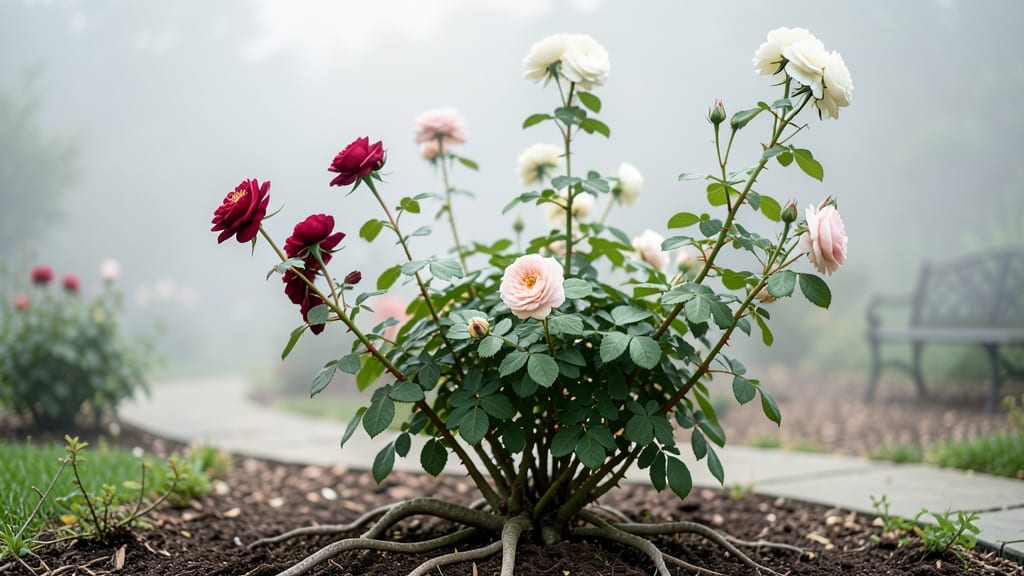
Want to know why your rose garden could look like a fairy-tale hedge one year and a jungle of the rose flower height the next? Rose flower height isn't just about luck—it's all about the variety you choose, how you prune, and even the soil you plant in.
Some roses stay as small as a child's hand, perfect for window boxes, while others reach for the sky like climbing vines.
If you've ever struggled to fit roses into your garden space or ended up with blooms that tower over your fence, you're not alone. The key to managing height lies in understanding your roses' natural growth patterns and learning a few simple tricks.
Whether you dream of a neatly trimmed hedge or a dramatic vertical garden, the right approach makes all the difference.
Let me show you how to pick the perfect rose varieties for your space and how to control their height naturally. From dwarf roses that fit in containers to climbers that need sturdy trellises, we'll cover everything you need to create the garden of your dreams—without the guesswork.
Ready to transform your rose garden from a wild tangle to a well-manicured masterpiece? Let's dive into the secrets of managing rose height so you can enjoy beautiful blooms that fit perfectly in your outdoor space.

Rose height categories: from 1-Foot dwarfs to 10-Foot climbers
Choosing roses based on height transforms your garden from a crowded mess to a structured masterpiece. The rose flower height you select dictates everything from planting location to pruning strategy.
Whether you dream of window-box roses or a 10-foot trellis covered in blooms, understanding these categories helps you make the perfect choice for your space.
Roses aren't one-size-fits-all—some stay as small as 12 inches, while others reach 10 feet or more. The key is matching the mature height to your garden's layout and your maintenance style.
For example, a miniature rose thrives in a hanging basket, while a climbing rose needs a sturdy arbor to showcase its dramatic growth.
Seasonal growth also plays a role—some varieties grow 3 feet in their first year but double in height by year three. Knowing these patterns helps you plan for long-term success. Below, we break down the six main rose height categories, complete with real-world examples and care tips to keep them thriving.
| Category | Mature Height | Growth Rate | Best For | Example Varieties |
|---|---|---|---|---|
| Miniature Roses | 6–12 inches | Slow to moderate | Containers, window boxes, fairy gardens | 'Fairy' (8"), 'Baby Love' (10") |
| Dwarf Roses | 1–3 feet | Moderate | Borders, small gardens, patios | 'Bonica' (2'), 'Playboy' (2') |
| Bush Roses | 3–5 feet | Fast | Foundation plantings, hedges, mixed borders | 'Knock Out' (3-4'), 'Double Delight' (4') |
| Shrub Roses | 4–6 feet | Fast to very fast | Privacy screens, large borders, naturalized areas | 'Dr. Huey' (5'), 'The Fairy' (5-6') |
| Climbing Roses | 8–10+ feet | Very fast (with support) | Trellises, arbors, fences, pergolas | 'New Dawn' (10-12'), 'Blaze' (10-15') |
| Standard Roses | 5–10 feet (grafted) | Moderate (depends on graft) | Focal points, entryways, large containers | 'Queen Elizabeth' (6-8'), 'Mister Lincoln' (6-8') |
Miniature roses are the tiny powerhouses of the rose world, perfect for container gardening or adding color to window boxes. Varieties like 'Fairy' and 'Baby Love' stay under 12 inches tall but pack big blooms for their size. These roses grow slowly, making them ideal for small-space gardens or urban balconies where every inch counts.
Next up are dwarf roses, which bridge the gap between miniatures and larger varieties. Growing 1–3 feet tall, they’re versatile enough for patio planters or garden borders.
Popular picks like 'Bonica' and 'Playboy' are disease-resistant and bloom repeatedly, making them low-maintenance stars. Their compact growth means less pruning, but they still need full sun to thrive.
Bush roses are the workhorses of the garden, reaching 3–5 feet and perfect for foundation plantings or mixed borders. The 'Knock Out' series is a favorite because it blooms continuously with minimal care. These roses grow quickly, so plan for 2–3 feet of space between plants to avoid overcrowding. Their vigorous growth makes them ideal for filling in gaps in your landscape.
For a privacy screen or naturalized area, shrub roses are the go-to choice. These varieties grow 4–6 feet tall and wide, creating lush, fragrant hedges. 'Dr. Huey' and 'The Fairy' are excellent picks, offering season-long blooms and disease resistance.
Their fast growth rate means they’ll fill space quickly, but they need regular pruning to maintain shape and encourage more flowers.
If you’ve ever dreamed of a romantic arbor or a dramatic trellis, climbing roses
How to choose rose varieties based on height and garden space
Selecting the right rose varieties for your garden space isn't just about aesthetics—it's about creating a harmonious layout that maximizes both beauty and functionality.
Whether you have a cozy container garden on your balcony or a sprawling backyard, choosing roses that match your space will save you time on pruning and maintenance while ensuring stunning results.
Tall roses like climbing varieties need sturdy trellises or fences to support their growth, while compact dwarf roses thrive in window boxes or small pots. Understanding these differences helps you avoid common mistakes, like planting a 10-foot climber where it will block your patio or struggle to find support.
Let's explore how to match rose heights to your garden's unique layout.
| Rose Type | Mature Height | Best For | Sunlight Needs | Maintenance Level |
|---|---|---|---|---|
| Miniature Roses | 1-2 ft | Containers, window boxes, fairy gardens | Full sun (6+ hours) | Low (compact growth) |
| Dwarf Roses | 2-3 ft | Borders, small gardens, raised beds | Full sun (6+ hours) | Medium (regular pruning) |
| Bush Roses | 3-5 ft | Hedges, mixed borders, garden centers | Full sun (6+ hours) | Medium-High (needs shaping) |
| Climbing Roses | 6-10+ ft | Trellises, arbors, fences, pergolas | Full sun (6+ hours) | High (requires pruning & support) |
| Standard Roses | 4-6 ft (with 1-2 ft stem) | Lawn accents, patio centers, focal points | Full sun (6+ hours) | Medium (prune stem annually) |
For small spaces, miniature and dwarf roses are ideal because they fit perfectly in containers or along narrow borders. Varieties like 'Fairy' roses or 'Tom Thumb' stay under 2 feet tall, making them perfect for window boxes or balcony gardens.
These roses also require less pruning, saving you time and effort while still delivering stunning blooms.
If you're working with a vertical garden, climbing roses are a game-changer. They can transform bare walls or fences into lush, fragrant displays. Just ensure you provide a sturdy trellis or arbor—'New Dawn' or 'Blaze' roses can reach heights of 10 feet or more!
These varieties need regular pruning to encourage upward growth and prevent overcrowding.
Bush roses strike a balance between height and manageability, making them perfect for mixed borders or hedge planting. They typically grow 3-5 feet tall and require moderate pruning to maintain shape.
Varieties like 'Knock Out' roses are especially low-maintenance, producing continuous blooms with minimal effort. These roses thrive in full sun and well-draining soil, making them versatile for various garden layouts.
Don't forget about standard roses, which combine the elegance of a bush rose with the height of a small tree. These roses have a single stem that supports a bushy top, making them perfect for lawn accents or patio centers.
They require annual pruning of the stem to maintain their shape, but the reward is a striking focal point in your garden.
No matter which roses you choose, always consider your garden's sunlight exposure and soil quality. Most roses thrive in full sun (6+ hours daily) and well-draining soil.
If your space has partial shade, opt for shade-tolerant varieties like 'Double Delight' or 'Playboy' roses, which can handle 3-4 hours of sun.