
Flowers
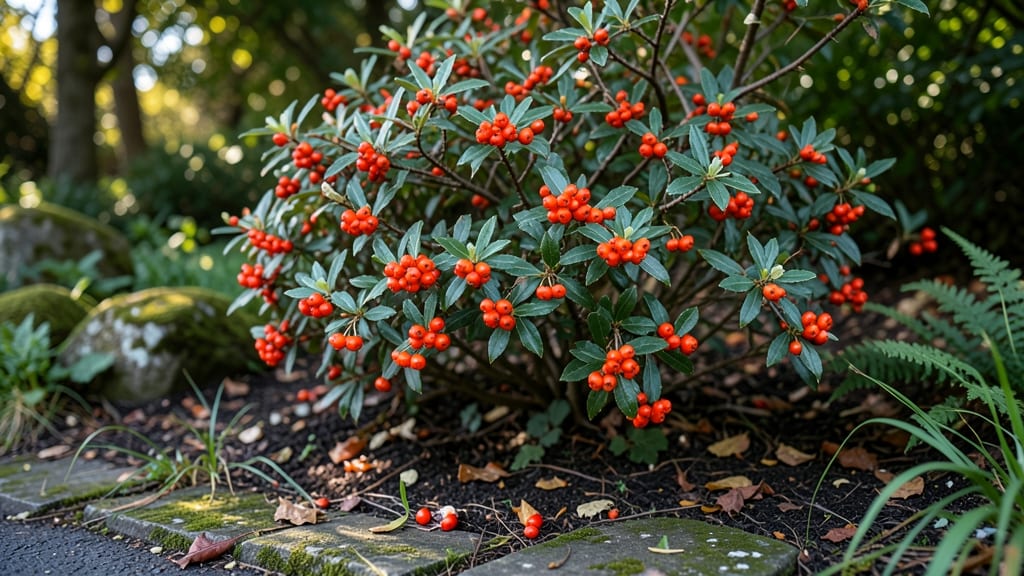
Top 7 red berries for stunning flower arrangements (with seasonal timing)
Red berries transform floral arrangements from ordinary to extraordinary with their bold, velvety hues. Whether you're crafting a winter wreath or a summer bouquet, these berries add depth and contrast that no flower alone can match.
Their seasonal availability ensures you can create year-round designs, from frosty holly in December to fiery pyracantha in October.
I’ve curated seven standout red berries that excel in floral design, balancing durability, color intensity, and ease of cultivation. Each offers unique textures—some glossy, others matte—perfect for layering with eucalyptus, white roses, or dusty miller.
Below, you’ll find their peak seasons, growing tips, and arrangement secrets to maximize their impact.
For quick reference, here’s how these berries compare in seasonal timing, maintenance, and visual appeal—ideal for gardeners who want to plan ahead for their next masterpiece.
My top pick for year-round versatility is holly, thanks to its winter longevity and spiky texture that contrasts beautifully with soft blooms. For summer arrangements, pyracantha shines—its orange-red berries pop against white hydrangeas or silver foliage.
If you love textural contrast, bittersweet vines add a dynamic, cascading element to any bouquet.
For gardeners in USDA Zones 5–9, cranberries and cotoneaster are low-maintenance choices that thrive in acidic to adaptable soils. Both produce abundant berries with minimal fuss, making them ideal for beginner-friendly floral designs. Pomegranate seeds, while requiring warmer climates, offer a
How to pair red berries with flowers for maximum impact (color theory guide)
Red berries bring bold drama to floral arrangements, but pairing them correctly makes all the difference. The key is balancing their intense hue with softer textures and complementary colors.
I’ve found that eucalyptus greenery and white roses create a timeless contrast, while dusty miller adds a silvery touch that highlights the berries' vibrancy.
Start by considering the seasonal availability of your berries. For example, holly berries shine in winter arrangements, while pyracantha thrives in fall displays. Matching berries to the right flowers ensures your bouquets stay fresh and visually appealing longer.
Color theory plays a crucial role—red berries pair beautifully with cool-toned flowers like hydrangeas or warm neutrals such as peach or cream. This creates a harmonious balance that draws the eye without overwhelming it.
✨ Top 5 Red Berry-Flower Pairings
- Holly Berries + White Roses – Classic winter elegance with crisp contrast.
- Pyracantha + Dusty Miller – Silvery foliage makes berries pop in fall arrangements.
- Cranberries + Eucalyptus – Fresh greenery balances holiday reds beautifully.
- Rose Hips + Lavender – Soft purple complements autumnal reds naturally.
- Bittersweet + White Lilies – Dramatic height with a clean, fresh look.
Don’t forget to vary texture and height in your arrangements. Tall stems like snake plant or delphinium create vertical interest, while low-growing ivy or moss adds depth. This layering keeps your bouquets dynamic and visually engaging.
For a long-lasting arrangement, mix berries with flowers that have similar water needs. For example, eucalyptus and dried lavender both hold up well in water, extending the life of your red berries.
Experiment with odd-number groupings—three or five berries clustered together create a more natural, balanced look than even numbers. This simple trick elevates your arrangements from basic to breathtaking.