
Flowers
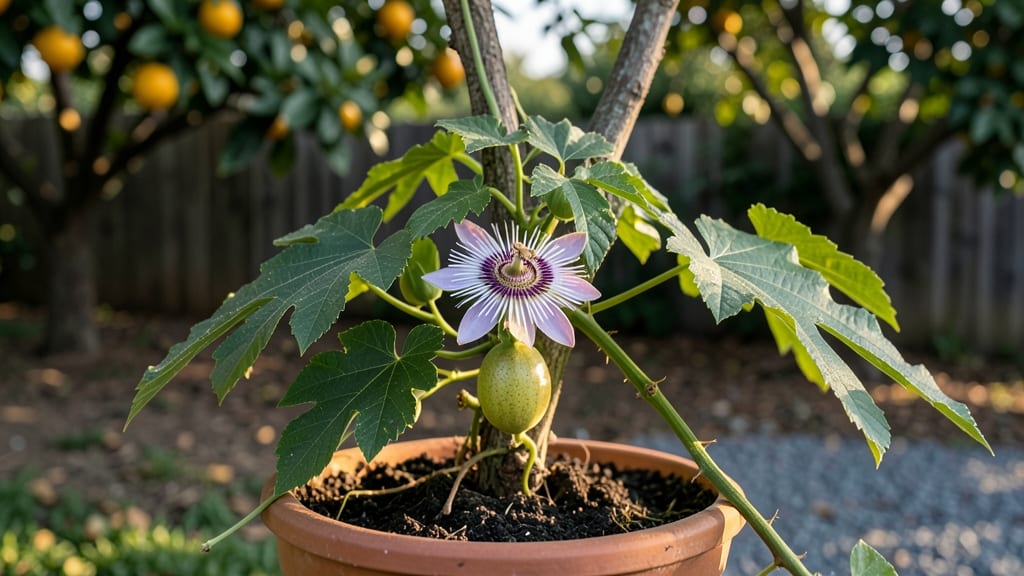
Watching a passionfruit vine transform the delicate flower to fruit into a 🍈bursting fruit is one of gardening’s most rewarding processes—but the real magic happens behind the scenes. That first step from flower to fruit isn’t just about luck; it’s a dance between pollination, timing, and the right growing conditions.
If you’ve ever had passionfruit flowers drop off without fruiting, you’re not alone. Many gardeners miss the subtle cues that trigger this process, from the humidity levels that encourage bees to the temperature sweet spot that keeps flowers viable.
The good news? With the right know-how, you can turn more of those stunning blossoms into harvest-ready fruit.
In this guide, I’ll walk you through the three key stages of passionfruit development, from pollination to fruit set, plus the simple tricks to maximize your yield.
Whether you’re dealing with self-pollinating varieties or relying on bees, you’ll learn exactly what your General (Tropical/Subtropical) vine needs to thrive—and how to troubleshoot common pitfalls along the way.
Ready to go from blooms to bounty? Let’s dive into the science—and the secrets—behind turning passionfruit flowers into the sweet, tangy harvest you’ve been dreaming of.
How passionfruit flowers become fruit: the 3 critical pollination stages
Passionfruit vines burst into life with exotic, trumpet-shaped flowers that seem almost too delicate to produce those tropical, tangy fruits we love. But behind every juicy passionfruit lies a three-stage pollination process that determines whether your vine will bear fruit—or just pretty blooms.
Understanding these stages helps you maximize fruit set and troubleshoot when things go wrong.
The journey from flower to fruit isn’t automatic. Passionfruit plants rely on precise environmental triggers—like temperature, humidity, and pollinators—to complete each stage. Even the right variety matters: some passionfruits self-pollinate, while others need cross-pollination.
Let’s break down the three critical stages and what you can do to ensure success at each step.
🌸 The 3 Stages of Passionfruit Pollination
-
Stage 1: Bud Formation
📌 Key Sign: Tight green buds appear along new growth
🌡️ Trigger: Warm days (70°F+) and long sunlight
⚠️ Watch for: Bud drop if temps dip below 60°F -
Stage 2: Open Flower & Pollination
📌 Key Sign: Flower opens at dawn (lasts 1 day)
🐝 Critical: Bees/butterflies or hand-pollination needed
💧 Tip: Light morning mist boosts humidity for pollinators -
Stage 3: Fertilized Ovary & Fruit Set
📌 Key Sign: Petals fall; ovary swells into fruit
🌱 Trigger: 65-85°F range for ovary development
⚠️ Problem: Dropped flowers = failed pollination
Each stage demands specific conditions to succeed. For example, Stage 1 buds form best when daytime temperatures stay above 70°F (21°C). If nights drop below 60°F (15°C), buds may abort—leaving you with no flowers at all.
This is why tropical/subtropical zones (USDA 10-12) thrive with passionfruit, while cooler climates need greenhouse protection or row covers.
The open flower stage (Stage 2) is where pollination happens—or fails. Flowers open just once, typically at dawn, and last only 24 hours. That tight window means bees, butterflies, or manual intervention must transfer pollen from the male stamens to the female stigma at the flower’s base.
Without pollination, the flower wilts and drops by evening, wasting your vine’s energy. Hand-pollination with a soft brush or cotton swab can save the day if pollinators are scarce.
Once pollinated, the ovary swells into fruit (Stage 3), but this stage is just as picky about conditions. The ideal temperature range for ovary development is 65-85°F (18-29°C). Too hot (above 90°F/32°C), and fruit may abort or drop.
Too cool (below 60°F/15°C), and growth slows dramatically. Humidity also plays a role—low humidity (<40%) can cause flower drop or poor fruit set, while high humidity (>70%) may encourage fungal issues like powdery mildew.
Here’s how to spot each stage and troubleshoot common issues: - Bud Stage: Healthy buds should be firm and green. If they shrink or turn brown, your vine is stressed—check for underwatering, pests, or cold snaps. - Open Flower Stage: Flowers should open fully by mid-morning.
If they wilt by noon, pollination likely failed. Try hand-pollinating the next day. - Fertilized Ovary Stage: The ovary should plump up within 3-5 days. If it stays small or drops, your vine may need more phosphorus (use a 7-9-5 fertilizer) or better pollination.
Pro tip: Prune your vine strategically to focus energy on fruit production. Remove weak or leggy growth in early spring to encourage stronger flowering branches. Also, mulch heavily to keep roots cool—this helps maintain consistent soil temperatures, which is key for ovary development.
My purple passionfruit vine went from 5% fruit set to 80% after I added 3 inches of straw mulch and hand-pollinated every morning for a week.
Remember, not all passionfruit varieties play by the same rules. Purple passionfruit (Passiflora edulis) often self-pollinates but benefits from cross-pollination for larger fruit. Golden passionfruit (Passiflora edulis flavicarpa), however, requires cross-pollination—plant at least two vines for reliable fruit set.
If you’re growing in a container, choose dwarf varieties like Passiflora caerulea (blue passionflower), which are easier to pollinate manually.
By mastering these three stages, you’ll turn your passionfruit vine into a fruit-producing powerhouse. Start by monitoring your buds daily, then protect open flowers from wind/rain, and finally, support ovary growth with the right conditions.
Soon, you’ll be harvesting plump, juicy passionfruits instead of watching blooms fall to the ground. 🍈
Passionfruit pollination triggers: what your plant needs to set fruit
Passionfruit flowers are stunning, but their transformation into fruit depends on precise conditions and timing. The key to success lies in understanding your plant’s pollination triggers—whether through bees, butterflies, or even your own hands.
Without proper pollination, those beautiful blossoms will simply drop off, leaving you with no fruit to harvest.
For most passionfruit varieties, cross-pollination by bees or butterflies is essential. However, some self-pollinating types can set fruit without outside help. The difference often comes down to the humidity levels and temperature ranges that encourage pollinators to visit.
If your vine is struggling, it might be time to step in and hand-pollinate to ensure fruit set.
⚠️ WARNING: Common Pollination Pitfalls Your passionfruit vine might be failing to set fruit due to these overlooked issues: ✅ Low Humidity – Bees avoid dry conditions, reducing pollination rates. ✅ Extreme Heat – Flowers wilt above 90°F (32°C), preventing pollinators from landing. ✅ Pesticide Use – Even organic sprays can repel bees, halting pollination. ✅ Poor Flower Timing – Flowers open for just 24-48 hours; missed windows mean no fruit. ✅ Lack of Pollinators – Urban gardens or enclosed spaces may lack bees/butterflies.
To maximize your chances, focus on creating an inviting environment for pollinators. Plant bee-friendly flowers like lavender or sunflowers nearby to attract them to your passionfruit vine. Ensure your garden has shady spots for bees to rest during peak heat, as they’re less active when temperatures exceed 85°F (29°C).
A small water source, like a shallow dish with pebbles, can also encourage them to linger.
If pollinators are scarce, hand-pollination is a simple solution. On a dry, sunny morning, use a soft paintbrush or cotton swab to transfer pollen from one flower’s male stamens to the female stigma of another.
Repeat this process every 2-3 days during the flowering season for best results. This method works especially well for self-pollinating varieties like 'Sweet Granadilla' or 'Golden Passionfruit'.
Timing is everything when it comes to passionfruit pollination. Flowers typically open in the morning hours, making early intervention crucial. Avoid pollinating after 10 AM, as flowers may wilt by midday, reducing their effectiveness.
Keep an eye on your vine’s flowering patterns—some varieties produce waves of blooms, while others flower continuously. Adjust your pollination efforts accordingly to ensure consistent fruit set.
Finally, don’t overlook the role of soil health and watering practices in supporting fruit development. Passionfruit vines need well-draining soil rich in organic matter to thrive, and consistent moisture (but not soggy conditions) to encourage strong flower and fruit growth.
A balanced fertilizer with higher phosphorus content can also boost flowering and fruit production.