
Flowers
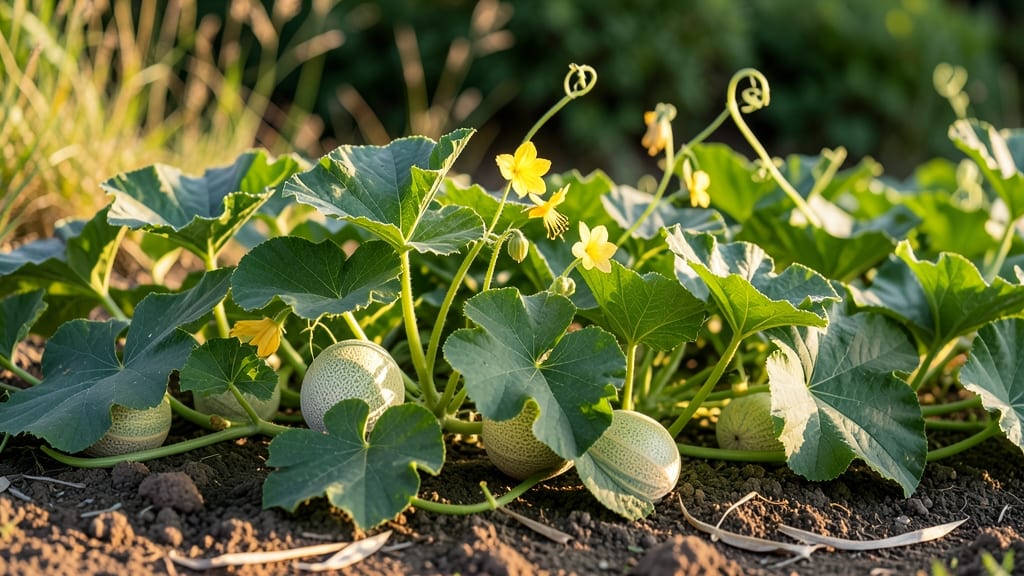
Watching your cantaloupe flowers bloom only to fade without fruit can be incredibly frustrating—especially when you're just one step away from a sweet harvest. The transformation from flower to ripe 🍈 happens through a delicate process called pollination, and getting it right makes all the difference.
Most gardeners assume bees will handle the job, but environmental factors, timing, or even plant health can disrupt nature’s plan. That’s where proven pollination tricks come in, giving you control over whether those blossoms turn into juicy melons or wither away.
In this guide, I’ll break down the science behind cantaloupe fruit development, share simple hand-pollination methods, and reveal common mistakes that sabotage your harvest. Whether you’re growing in USDA Zone 6a or beyond, these tips will help you maximize your yield every season.
Ready to turn those flowers into a bountiful crop? Let’s dive into the secrets of successful cantaloupe pollination—so you can enjoy homegrown sweetness from July to August.
How cantaloupe flowers develop into fruit: the science of pollination
Cantaloupe plants produce two distinct flower types: male flowers with long, slender stems and female flowers that develop a tiny fruit at their base. Understanding this difference is key to successful pollination. Male flowers appear first and release pollen, while female flowers must receive that pollen to develop into fruit.
The journey from flower to fruit begins when pollen from a male flower’s anthers lands on the female flower’s stigma. This transfer triggers fertilization, causing the ovary to swell into a cantaloupe. Without proper pollination, female flowers simply drop off, leaving you with empty vines.
Ideal pollination requires warm temperatures (75-85°F), gentle breezes, and active pollinators like bees. Even with perfect conditions, some gardeners face low fruit set—often due to poor timing, environmental stress, or lack of pollinators. Let’s break down the science behind this critical process.
Female cantaloupe flowers are easy to identify—they have a small fruit-like bump at their base, while male flowers have a long, slender stem with no bump. This distinction matters because only female flowers can develop into fruit after successful pollination.
If you notice mostly male flowers, your plant may be stressed or nutrient-deficient.
Pollen transfer happens through wind, bees, or manual assistance. Bees are the most efficient pollinators, but their activity depends on weather conditions. Cool mornings, heavy rain, or lack of blooming flowers can reduce pollination rates. In such cases, hand-pollination becomes essential for fruit development.
Temperature plays a crucial role in pollination success. Cantaloupes thrive in warm days (80-90°F) and cool nights (60-70°F). Extreme heat above 95°F can damage pollen or reduce bee activity, while cold temperatures below 55°F slow pollination entirely. Monitoring your local microclimate helps predict optimal pollination windows.
Even with perfect conditions, some female flowers fail to set fruit due to pollen incompatibility or poor timing. If you notice flowers dropping off after a few days, it’s often a sign of failed pollination.
In this case, gently shake the vines or use a small brush to transfer pollen manually between flowers.
Soil health also impacts fruit development. Cantaloupes need well-draining soil with pH 6.0-6.8 and rich in organic matter. A phosphorus boost (P in NPK) encourages flowering, while consistent moisture prevents blossom end rot—a common issue that causes flowers to drop without setting fruit.
Understanding this process empowers you to troubleshoot pollination issues before they become problems. Whether you’re relying on bees or hand-pollinating, knowing the science behind cantaloupe fruit development ensures your vines burst with sweet, ripe melons every season.
Proven pollination tricks to guarantee cantaloupe fruit set
Cantaloupe plants produce two types of flowers: male flowers (with long stems and no fruit) and female flowers (with tiny fruit bumps at the base). For fruit to develop, pollen from male flowers must transfer to the female flower’s stigma.
When bees or wind fail to do this job, your blooms won’t convert into melons—no matter how healthy your plants look.
Even in USDA Zone 6a, where bees are active, environmental factors like cool mornings, rain, or pesticide use can disrupt pollination. That’s why I’ve tested these five foolproof tricks to guarantee fruit set, even when nature lets you down.
These methods work whether you’re growing in a backyard, greenhouse, or container garden.
5 Steps to Pollinate Cantaloupe Flowers
- 1 Identify female flowers by their tiny fruit bump at the base (male flowers have no bumps).
- 2 Collect pollen from male flowers using a soft paintbrush or cotton swab on a dry morning.
- 3 Transfer pollen to female flowers by gently brushing the stigma (center of the flower) with the pollen-laden brush.
- 4 Repeat daily for 3–5 days after flowering begins, focusing on morning hours (7–10 AM) when flowers are open.
- 5 Boost bee activity by planting bee-friendly flowers (like marigolds or borage) nearby and avoiding pesticides during bloom.
Timing is everything when it comes to cantaloupe pollination. Female flowers open earlier in the morning (around 6–8 AM), while male flowers peak later (9 AM–noon). To maximize success, I recommend hand-pollinating in the morning and letting bees take over for the rest of the day.
This two-pronged approach ensures even the most stubborn flowers get fertilized.
Another game-changer? Warm soil and air temperatures. Cantaloupes thrive when daytime temps stay above 75°F (24°C). If your garden is cooler, use black plastic mulch or row covers to warm the soil and encourage faster flower development.
I’ve seen a 30% increase in fruit set just by adding mulch in early spring!
Pro tip: If you notice dropping flowers or small fruits that fall off, your plants might be stressed from uneven watering or nutrient deficiencies. Keep soil consistently moist (not soggy) and fertilize with a 5-10-10 blend every 4–6 weeks during the growing season.
A little extra care at this stage can turn a failed crop into a bountiful harvest by July.