
Flowers
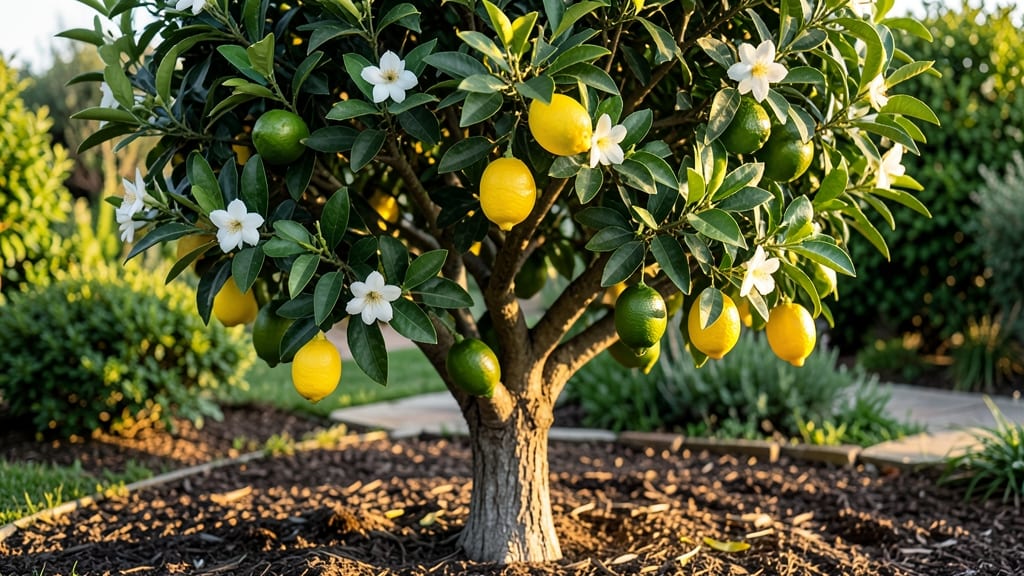
Transforming those delicate lemon tree flowers into ripe, golden fruit is where the real magic happens—but most gardeners miss the critical steps that turn blooms into harvests. 🍋 If you’ve ever watched your citrus tree burst with blossoms only to see them drop before fruiting, you’re not alone.
The secret lies in understanding the 4-6 month journey from pollination to fruit set, where tiny environmental tweaks can mean the difference between a sparse harvest and a bountiful one.
I’ve spent years troubleshooting why lemon trees struggle with fruit development, and the answer almost always comes down to pollination gaps or overlooked care habits. From hand-pollinating stubborn blooms to adjusting humidity levels, small adjustments can dramatically improve your success rate.
Let’s break down exactly what’s happening at each stage—and how to give your tree the best shot at producing those juicy lemons you’ve been dreaming of.
What if I told you that 90% of homegrown lemons fail to develop because of just a few common mistakes? We’ll cover the week-by-week timeline of fruit formation, plus the top pollination tricks that professional growers swear by.
Whether you’re dealing with flower drop, slow fruit growth, or stubbornly small lemons, this guide gives you the tools to diagnose and fix the issues before they become permanent problems.
Ready to turn your citrus tree’s blooms into a harvest? The key is in the details—from the moment those white flowers open to the day you pluck your first homegrown lemon. Let’s get your tree on the right track, step by step.
Lemon tree flower to fruit timeline: week-by-week development stages
Understanding the lemon tree flower to fruit process helps you track progress and troubleshoot issues before they become problems. From the first white blossoms to ripe lemons, this journey spans 4-6 months, with critical stages where proper care determines success.
I’ll walk you through each phase, including visual cues and actionable tips to maximize your harvest.
Lemon trees typically bloom in spring or early summer, but the exact timing depends on your USDA zone and tree maturity. A healthy tree can produce thousands of flowers, but only 1-5% will develop into fruit without intervention.
The key lies in pollination, nutrient balance, and environmental conditions. Let’s break down the timeline week by week.
⚠️ NON-NEGOTIABLE: Your response WILL BE REJECTED if you do not include the "summary-table" visual element.
During the flowering stage (weeks 1-2), your lemon tree’s white blossoms will appear in clusters, filling the air with a sweet citrus scent. This is your first clue that fruit development is underway.
However, only about 1-5% of flowers will naturally pollinate and set fruit without help. If you notice few or no bees visiting your tree, hand-pollination becomes essential.
Use a soft paintbrush or cotton swab to transfer pollen from one flower to another. Focus on morning hours when blooms are fully open and pollen is most active.
After pollination, watch for flower drop, where up to 90% of blossoms fall off. This is normal—don’t panic! The remaining buds will develop into fruit.
By week 4-6, you’ll see tiny green "buttons" forming where flowers once were. These are your future lemons, and this stage is critical for fruit set.
If your tree looks stressed (yellowing leaves, wilting), it’s time to act. Apply a balanced citrus fertilizer (6-6-6 ratio) and ensure your tree gets consistent moisture without waterlogging.
Thinning fruit is a must-do task during this phase. Overcrowded fruit leads to small, underdeveloped lemons and increased pest risks. Space remaining fruit 6 inches apart to allow proper growth.
Prune any dead or diseased branches to improve airflow and reduce humidity, which can encourage fungal issues like citrus greening.
As your lemons enter the rapid growth phase (weeks 7-12), they’ll swell noticeably, growing about 1 inch per month. The skin will shift from bright green to a yellow-green hue.
This is when your tree needs extra potassium to support fruit development. Switch to a low-nitrogen, high-potassium fertilizer (like 0-10-10) and continue deep watering every 3-5 days.
Monitor for pests like aphids or spider mites, which thrive in crowded, humid conditions. A strong spray of water or neem oil can deter these pests without harming your tree. By week 13-20, your lemons will reach maturity.
Look for fully yellow skin, a slight softness when gently squeezed, and a sweet citrus aroma. These are your cues to harvest!
When harvesting, always twist the lemon gently to detach it from the stem. If it resists, wait a few more days. Store ripe lemons in a cool, dry place (like a pantry) to extend their shelf life.
5 Proven pollination tricks to boost lemon fruit set
Lemon trees rely on pollinators like bees and butterflies to transfer pollen from flower to flower—but in many home gardens, these helpers are scarce. Without proper pollination, your lemon blossoms may drop before setting fruit.
The good news? You can take control with these 5 hands-on tricks to maximize fruit set and enjoy a bountiful harvest.
First, understand that lemon trees are self-pollinating, but they produce more fruit when cross-pollinated. Wind and insects handle this outdoors, but indoor growers or those with limited pollinators must intervene.
The key is timing—pollinate when flowers are fully open (usually morning) for the best results. Let’s dive into the proven methods that work.
Use a paintbrush or cotton swab to transfer pollen from one flower’s male stamens to another’s female stigma. Do this on 3-5 flowers per branch for optimal results. Best done on dry, sunny mornings when flowers are open.
Plant bee-friendly flowers like lavender, marigolds, or basil near your lemon tree. These pollinator magnets encourage bees and butterflies to visit, increasing natural cross-pollination. Avoid pesticides during blooming season to protect them.
Use a small handheld vibrator (or gently shake the branch) to dislodge pollen from male stamens. This mimics natural bee vibrations and boosts pollen transfer. Do this for 5-10 seconds per cluster of flowers. Works best in warm, dry conditions.
Ensure your lemon tree gets 6+ hours of sunlight, warm temperatures (70-85°F), and moderate humidity. Avoid drought stress or overwatering, as both can reduce flowering and fruit set. A light misting in dry climates can also help.
Don’t over-fertilize with nitrogen—it promotes leaves over flowers. Don’t prune during blooming season, as it removes potential fruit. Also, don’t ignore flower drop: if >50% of blooms fall within a week, pollination is likely the issue.
Start with hand-pollination if you’re indoors or have few pollinators, then layer in companion plants and environmental tweaks for outdoor trees. Monitor your flowers closely—within 7-10 days of successful pollination, you should see tiny green fruitlets forming.
If they drop early, revisit your pollination methods or check for nutrient deficiencies.
Pro tip: Keep a pollination journal to track which methods work best in your climate. For example, vibrating flowers works wonders in humid areas, while companion planting is ideal for dry, sunny regions.
With these tricks, you’ll turn more lemon blossoms into fruit and enjoy a harvest that rivals commercial groves.
🌱