
Flowers
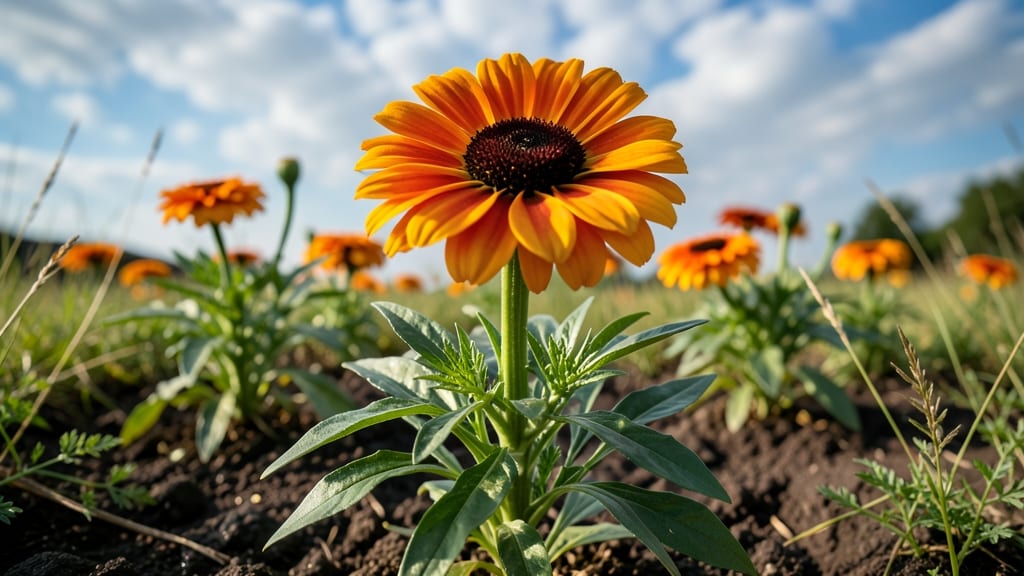
If you’ve ever wanted marigolds that could double as a side dish, you’re not alone—the largest marigold flower varieties can grow blooms so big they steal the show in any garden. 🌼 These towering beauties aren’t just impressive; they’re also easier to grow than you might think, especially when you know the right tricks.
Picture this: marigolds standing 12 inches tall with petals wide enough to cast a shadow. Varieties like ‘Bonanza’ and ‘Jumbo’ are bred to deliver that kind of drama, but they need the perfect conditions to reach their full potential.
The key? Starting with the right soil, spacing them just right, and giving them plenty of sunlight—none of that fussy care that other flowers demand.
In this guide, I’ll walk you through exactly how to grow these giants from seed to showstopper, including the best varieties for massive blooms and the simple care routine that keeps them thriving.
Whether you’re a seasoned gardener or a beginner with a green thumb, these tips will help you cultivate marigolds that turn heads—and maybe even spark a few compliments.
Ready to ditch the tiny blooms and grow marigolds that feel like a hug from your grandma’s garden? Let’s get started—your future giant marigolds are waiting.
Top 5 giant marigold varieties that grow 12+ inches tall
When most gardeners think of marigolds, they picture those cheerful but compact French marigolds lining garden beds. But if you want statement-making blooms that could pass for dinner plates, you need the right varieties.
These giant marigolds can reach 12+ inches tall with blooms spanning 6+ inches wide, transforming your garden into a bold, sunny spectacle. 🌻
The secret lies in selecting tall French marigold varieties specifically bred for size, like the ‘Bonanza’ series or ‘Jumbo’ hybrids. These aren’t your average marigolds—they’re the showstoppers of the flower world, thriving with minimal fuss when given the right conditions.
Whether you’re bordering a pathway or creating a cut-flower display, these giants deliver drama without the high-maintenance care of roses or peonies.
Below, I’ve rounded up the top 5 giant marigold varieties that consistently hit those 12-inch height milestones, complete with their bloom colors, growth habits, and care essentials to maximize their size. Pro tip: Pair these with well-draining soil and full sun exposure to unlock their full potential.
| Variety | Height | Bloom Size | Color Options | Sun Needs | Spacing |
|---|---|---|---|---|---|
| Bonanza Gold | 12-18" | 5-7" | Golden yellow | Full sun | 18-24" |
| Monarch Orange | 14-20" | 6-8" | Deep orange | Full sun | 20-24" |
| Jumbo Gold | 16-24" | 7-9" | Golden yellow | Full sun | 24" |
| Crackerjack | 12-16" | 4-6" | Orange/red bicolor | Full sun | 12-18" |
| Tangerine Gem | 10-14" | 5-7" | Tangerine | Full sun | 16-20" |
Let’s start with ‘Bonanza Gold’, the undisputed king of giant marigolds. This variety doesn’t just reach 12-18 inches tall—it commands attention with 5-7 inch blooms that glow like miniature suns.
The golden yellow flowers are perfect for brightening up borders or containers, and their disease-resistant foliage means fewer headaches for you. 🌱
For a bold color statement, ‘Monarch Orange’ delivers with deep orange blooms that pop against green foliage. Standing 14-20 inches tall, these marigolds are ideal for cut-flower arrangements or as a focal point in mixed borders.
They thrive in well-draining soil and full sun, making them a low-maintenance powerhouse for any garden.
If you’re after the absolute largest marigold blooms, ‘Jumbo Gold’ is your best bet. This variety can hit 16-24 inches tall with 7-9 inch
How to grow giant marigolds: pro tips for massive blooms
Growing giant marigolds with blooms large enough to rival sunflowers isn’t as tricky as it sounds—it just takes the right approach. The key to unlocking their full potential starts with soil preparation and sunlight exposure.
Unlike their compact cousins, these towering varieties need rich, well-draining soil loaded with organic matter to support their heavy blooms. Think of it like giving them a sturdy foundation to grow upward instead of sprawling outward.
Before planting, amend your garden beds with compost or aged manure mixed into the top 12 inches of soil. This ensures your marigolds have the nutrients they need to develop those 7-9 inch blooms we’re all chasing.
I like to add a handful of bone meal for extra phosphorus, which encourages strong root and flower development. For container growers, use a high-quality potting mix with perlite to prevent compaction.
🌱 Pro Tip for Largest Marigold Flowers
To grow marigolds with blooms 30% larger than average, focus on two critical factors:
- Soil fertility: Test your soil pH (ideal range: 6.0-7.0) and amend with compost + balanced fertilizer (5-10-10 NPK ratio).
- Sunlight exposure: Place plants in full sun (6+ hours daily)—even slight shade reduces bloom size by 25%.
💡 Bonus: Space plants 18-24 inches apart to prevent competition for nutrients.
Once your soil is prepped, sunlight becomes non-negotiable for giant marigolds. These varieties need at least 6 hours of direct sunlight daily, but more is better—think 8+ hours for absolute maximum size.
I’ve found that planting them in south-facing beds or containers near a sunny wall can push their growth even further. If you’re in a hot climate, provide afternoon shade to prevent wilting, but morning sun is essential for photosynthesis.
Watering giant marigolds requires a consistent but careful approach. Deep watering twice weekly (or daily during extreme heat) encourages strong root development, which supports those massive blooms. I recommend watering at the base of the plant in the morning to reduce fungal risks.
Avoid overhead watering, especially in humid conditions, as it can lead to powdery mildew, a common issue with large-leafed varieties like ‘Jumbo Gold’. A 1-inch layer of mulch helps retain moisture while keeping roots cool.
For fertilization strategies, I swear by a balanced 5-10-10 NPK fertilizer applied every 4-6 weeks during the growing season. The key is to avoid high-nitrogen feeds—these promote leafy growth at the expense of flowers. Instead, focus on phosphorus and potassium to boost bloom production.
I also add a seaweed extract once a month for extra micronutrients that keep the plants vigorous. Stop fertilizing by late summer to allow energy to focus on flower development rather than new growth.
Finally, pruning techniques can make or break your giant marigold’s size. Deadhead spent blooms regularly to encourage more flowers, but avoid cutting back more than one-third of the plant at a time. For varieties like ‘Monarch Orange’, I lightly pinch back the tips of young plants to promote bushier growth.
This simple step can increase the number of secondary stems, leading to more blooms overall. Just remember—less is more when pruning these giants!