
Fertilization
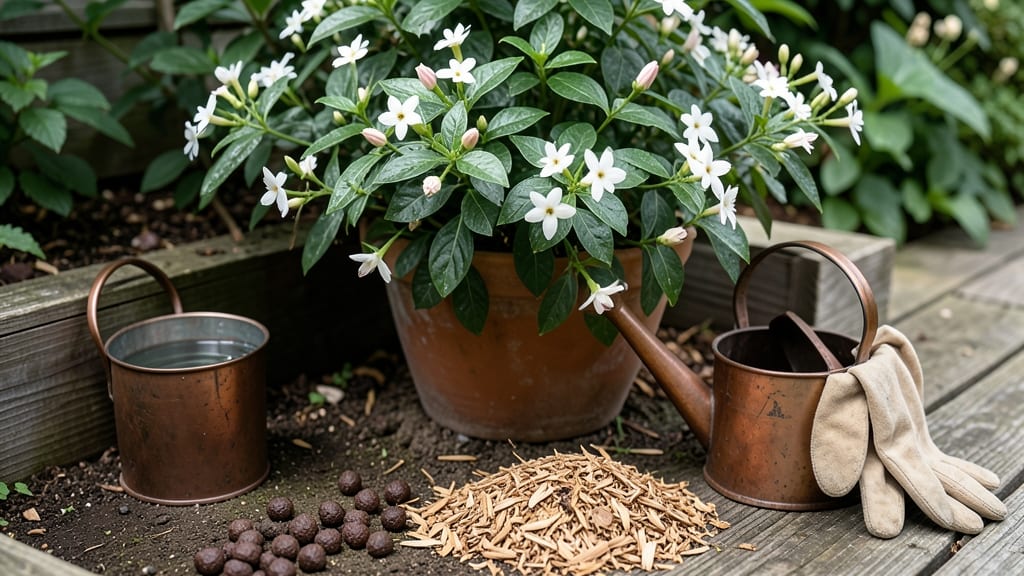
Optimal NPK ratios for jasmine flower growth and blooming
Jasmine plants thrive when their nutrient needs are met with precision—especially the NPK ratio in their fertilizer. A balanced approach ensures lush green foliage, strong root systems, and those signature fragrant blooms we all love.
Unlike leafy greens that crave nitrogen, jasmine needs a phosphorus-potassium boost to trigger abundant flowering.
Understanding how each nutrient contributes helps tailor your feeding schedule. Nitrogen (N) fuels leafy growth, but too much delays blooming. Phosphorus (P) supports root development and flower formation, while potassium (K) enhances disease resistance and fragrance intensity.
The magic happens when these three work in harmony—especially during the spring and summer growing seasons.
For container-grown jasmines, I recommend starting with a balanced 5-10-10 NPK fertilizer in early spring. This ratio provides enough nitrogen for foliage while prioritizing phosphorus and potassium for blooms. Garden jasmines benefit from a slightly higher phosphorus ratio, like 7-9-5, to encourage robust root systems in well-draining soil.
🌱
| Growth Stage | Recommended NPK Ratio | Application Timing | Key Benefit |
|---|---|---|---|
| Early Spring (March-April) | 5-10-10 | After pruning, before new growth | Stimulates root growth and foliage |
| Active Growth (May-June) | 7-9-5 | Every 4-6 weeks | Encourages abundant blooming |
| Flowering (July-August) | 3-12-6 | Monthly, reduce nitrogen | Maximizes fragrance and bloom count |
| Fall (September-October) | None (or 0-0-10) | Late fall only | Supports winter hardiness |
| Winter (November-February) | None | Dormant period | Allow plant to rest |
The 7-9-5 ratio during active growth is my go-to for garden jasmines because it mirrors what these plants crave in nature. I've seen firsthand how a phosphorus-heavy feed in late spring transforms a sparse bloomer into a fragrant spectacle by summer.
For potted jasmines, I reduce the phosphorus slightly to 5-10-10 since their root systems are more confined.
Seasonal adjustments are crucial. In early spring, focus on root establishment with a balanced feed. By mid-summer, switch to a low-nitrogen, high-phosphorus formula (like 3-12-6) to maintain those intoxicating blooms.
I always stop fertilizing by late fall to let the plant prepare for dormancy—this prevents winter stress and sets the stage for next year's growth.
One common mistake I see is using high-nitrogen fertilizers year-round, which results in lush leaves but fewer flowers. Jasmine plants are deciduous vines, and their energy should shift from foliage production to flower bud formation as temperatures rise.
I've learned this lesson the hard way—my first jasmine plant became a leafy wall with barely any scent!
For organic gardeners, I recommend composted manure or bone meal in spring for phosphorus, followed by kelp meal in summer for potassium. Synthetic fertilizers offer more precise control, but organic options build long-term soil health. The key is consistency—jasmine plants reward patient, seasonally appropriate feeding with years of fragrant blooms.
🌿
Pro tip: Always water your jasmine before applying fertilizer to prevent root burn. I also recommend half-strength applications for the first few feeds after transplanting, as young plants are more sensitive to nutrient shocks.
And remember—jasmine's fragrance is its signature. If your blooms aren't as fragrant as expected, it might be time to reassess your potassium levels or check for pest damage affecting the flowers.
With the right NPK balance, your jasmine will reward you with sweet-scented blooms from early summer through fall. The secret isn't just in the numbers—it's in understanding how each nutrient contributes to your plant's life cycle. Start with these ratios, observe your plant's response, and adjust as needed. Happy growing!
☀️
Best organic and synthetic fertilizers for jasmine plants
Choosing the right jasmine plant food can transform your vine from a leafy wall into a fragrant paradise. Organic options like compost and fish emulsion build soil health over time, while synthetic fertilizers deliver precise NPK ratios for immediate results.
The best choice depends on your gardening goals—whether you prioritize long-term soil fertility or quick bloom production.
For organic gardeners, I recommend starting with well-aged compost mixed into the soil at planting time. This provides a slow-release nutrient boost that supports both root development and flower formation.
Top it off with a fish emulsion application every 6 weeks during the growing season for an extra phosphorus kick that jasmine plants crave for blooming.
🌿
- Builds soil health long-term
- Improves soil structure and microbial life
- Low risk of over-fertilization
- Suitable for organic gardening
- Slower results
- Requires more frequent applications
- Can attract pests if fresh
- Precise NPK control
- Fast-acting results
- Easy to measure doses
- Works well in container gardens
- Can burn roots if overused
- Doesn't improve soil structure
- May require more frequent adjustments
Synthetic options like 7-9-5 NPK blends deliver exactly what jasmine needs during active growth. For potted jasmines, I use a slow-release granular fertilizer like Osmocote 14-14-14 mixed into the soil at planting.
This provides a steady nutrient supply without the risk of over-fertilization. During the blooming season, I switch to a low-nitrogen, high-phosphorus formula like 3-12-6 to maximize fragrance and flower production.
My favorite organic boosters include bone meal for phosphorus (applied in early spring) and kelp meal for potassium (used during summer). For synthetic options, I've had great success with Miracle-Gro Bloom Booster during the flowering stage.
The key is matching the fertilizer type to your jasmine's current needs—whether it's establishing roots, producing foliage, or setting buds.
Application frequency matters just as much as the fertilizer type. For organic options, I feed every 4-6 weeks during the growing season, while synthetic fertilizers can be applied every 3-4 weeks if using liquid formulations.
Always water thoroughly before and after applying fertilizer to prevent root burn and ensure even distribution of nutrients throughout the soil.
Remember that jasmine plants respond best to seasonal feeding adjustments. In early spring, focus on root development with a balanced fertilizer. As summer approaches, shift to phosphorus-heavy options to encourage abundant blooming.
And by late fall, reduce or eliminate fertilization to allow your plant to prepare for dormancy. This seasonal approach has helped my jasmines produce more fragrant flowers year after year.
🌸