
Tools
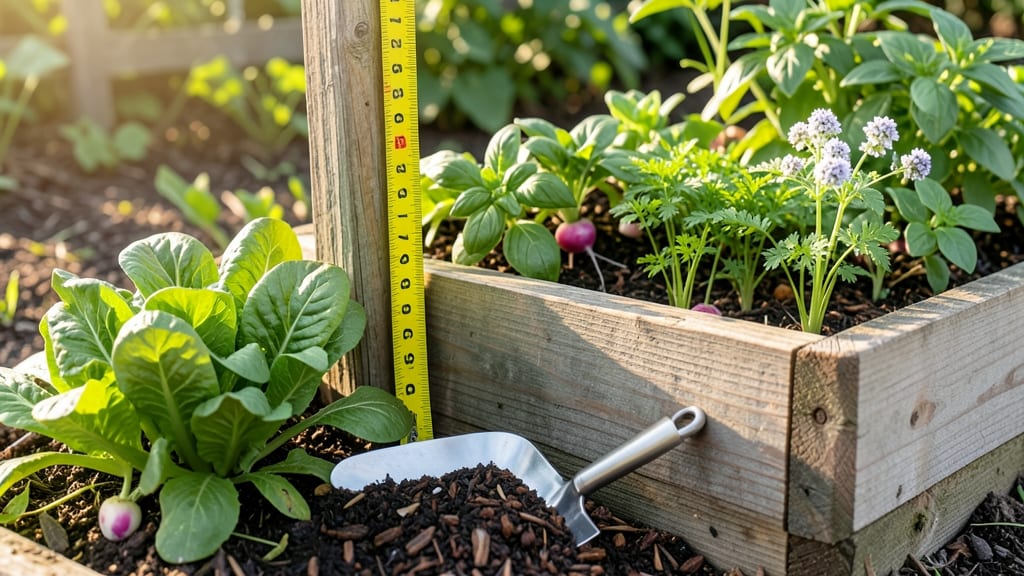
The ideal garden bed height ranges from 6 to 12 inches deep for in-ground beds, supporting root systems while keeping maintenance accessible, with 8 to 10 inches optimal for most vegetables and herbs. Raised beds should stand 12 to 18 inches tall for better drainage and easier gardening.
Getting the garden bed height right isn't just about aesthetics—it directly impacts how well your plants grow. 🌱 Shallow beds (under 6 inches) restrict root development, forcing plants to compete for nutrients in a limited space. Conversely, beds over 18 inches can become waterlogged or difficult to work with.
I’ve found that 8-10 inches strikes the perfect balance for most gardeners, giving roots room to spread while keeping soil work manageable. For raised beds, the extra height improves drainage and reduces soil compaction, which is especially helpful in heavy clay soils or regions with frequent rain.
💡 In This Article
- Why Root Depth and Bed Height Affect Plant Growth
- Choosing the Right Garden Bed Height for Your Plants
Why root depth and bed height affect plant growth
Root systems need space to develop properly, and bed depth directly influences this growth. Most vegetables and herbs thrive with 6-12 inches of soil because their roots typically extend to 12-18 inches deep—though the majority of nutrient absorption happens in the top 6 inches.
Shallow beds (4 inches) force roots to compete aggressively for water and nutrients, often leading to stunted growth. For example, tomatoes—with roots reaching 18-24 inches—struggle in beds under 8 inches because their lateral roots can't spread horizontally without vertical depth to anchor.
The science behind this involves soil aeration and microbiome activity. Deeper beds allow earthworms and beneficial fungi to thrive, breaking down organic matter into nutrients plants can absorb. In contrast, compacted shallow soil limits oxygen flow, slowing root expansion.
Raised beds solve this by preventing soil compression from foot traffic, while their height improves drainage—critical in clay-heavy soils where water pools at 6-8 inches depth. 🌱 The texture difference is noticeable too: deep beds maintain loose, crumbly soil even after watering, while shallow beds often feel dense and waterlogged.
Water retention is another key factor. Deeper beds hold moisture longer, reducing daily irrigation needs. For instance, a 10-inch bed retains 30-40% more water than a 6-inch one due to increased capillary action in the soil profile.
This is why drought-resistant plants like rosemary (roots 2-3 feet deep) often underperform in shallow beds unless given supplemental watering. The trade-off? Deeper beds require more soil mix upfront, but the long-term payoff in plant vigor makes it worthwhile.
Accessibility also plays a role in bed height. In-ground beds at 8-10 inches are easy to kneel in for weeding, while raised beds at 12-18 inches reduce back strain by eliminating bending.
The height difference becomes especially noticeable when working with heavy mulch or compost—lifting 20 pounds of soil per cubic foot is far easier from a 16-inch raised bed than from ground level. For gardeners with mobility issues, the 12-inch minimum is a game-changer for maintaining independence.
Climate factors further refine ideal heights. In arid regions, deeper beds (12+ inches) help roots access moisture from lower soil layers, while in humid areas, raised beds prevent waterlogging. The 8-inch sweet spot works universally because it accommodates most plants' root zones while keeping soil workable.
For example, carrots (roots 12 inches long) need 10+ inches of loose soil to grow straight, whereas lettuce (roots 6 inches deep) thrives in 6-inch beds.
One common misconception is that taller beds always mean better growth. While they improve drainage, beds over 18 inches can become too dry at the bottom, creating a "dead zone" where roots avoid. The solution? Amend the bottom 6 inches with compost to encourage root penetration.
For most gardeners, 12-18 inches strikes the balance between accessibility and root health—unless you're growing deep-rooted perennials like asparagus, which benefit from 18+ inches of soil.